


Table of Contents
- Does Breastfeeding Actually Cause Hair Loss?
- Understanding Postpartum Hair Loss and Hormonal Changes
- Postpartum Hair Loss Timeline: When It Starts and Ends
- Nutrients for Hair Health While Breastfeeding
- Best Natural Hair Care for Postpartum Recovery
- When to See a Dermatologist
- Managing Hair Loss While Maintaining Your Routine
- Frequently Asked Questions
Last Updated: August 31, 2026
Does Breastfeeding Actually Cause Hair Loss?
The short answer is no, breastfeeding itself doesn't cause hair loss. What you're experiencing is postpartum hair loss, a temporary condition driven by hormonal shifts after pregnancy, not by nursing. At Nirvana Wellness Store, we've compiled this guide to help you understand the distinction and take action during this challenging phase.
Many new mothers notice increased shedding weeks or months after delivery. The confusion arises because the timing often coincides with breastfeeding, leading many to assume nursing is responsible. In reality, the hormonal changes that trigger postpartum hair loss begin immediately after pregnancy ends, regardless of whether you breastfeed or bottle-feed. Understanding the true cause matters because it changes how you respond: the solution involves supporting your body through recovery with proper nutrition, scalp care, and patience.
Understanding Postpartum Hair Loss and Hormonal Changes
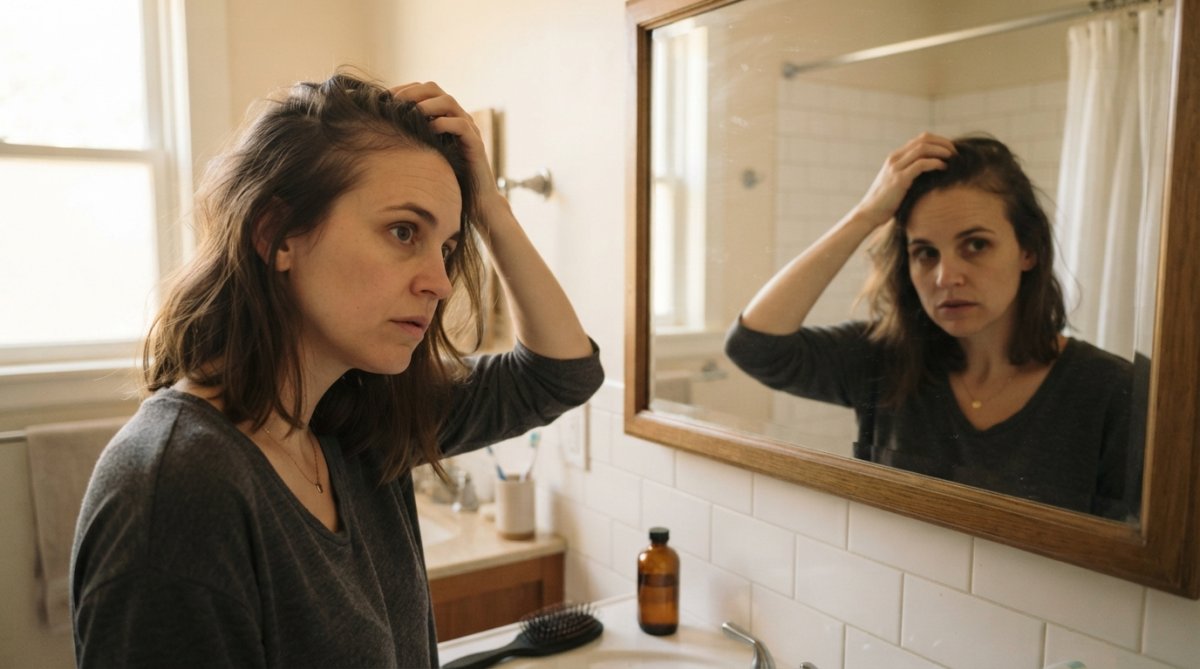
Postpartum hair loss is tied directly to the dramatic shift in estrogen levels after pregnancy. During pregnancy, elevated estrogen keeps more hair follicles in the growth phase, resulting in thicker, fuller hair. After delivery, estrogen plummets, triggering a synchronized shift in the hair growth cycle.

Telogen effluvium is the clinical term for this pattern. Hair follicles move abruptly from the active growth phase (anagen) into the resting and shedding phase (telogen). This happens to a large percentage of follicles simultaneously, which is why the shedding feels sudden and noticeable.
The hormonal players involved include estrogen (the primary driver), prolactin (elevated during lactation), and oxytocin (the bonding hormone). Breastfeeding mothers experience the same postpartum hair loss as non-breastfeeding mothers, though some research suggests lactation may slightly extend the duration due to sustained prolactin elevation. Your hair follicles have a natural growth cycle spanning several years, with the shedding phase typically lasting two to three months before new hair begins growing. This is why postpartum hair loss, while distressing, is almost always temporary.
Postpartum Hair Loss Timeline: When It Starts and Ends
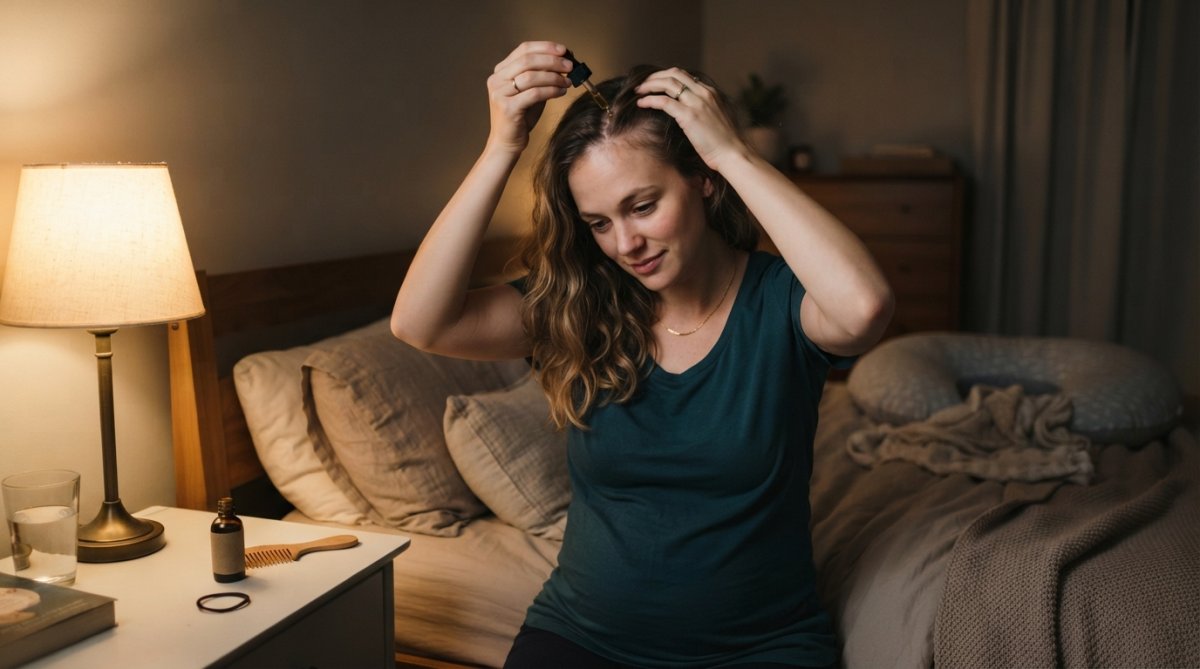
Postpartum hair loss typically begins three to four months after delivery. Peak shedding usually occurs between months four and six postpartum. Most women see significant improvement by month nine or ten, with hair density typically returning to pre-pregnancy levels by the end of the first year.
Several factors influence your personal timeline. Nutritional status matters significantly, mothers with iron deficiency, low vitamin D, or inadequate protein intake may experience more severe or prolonged shedding. Stress levels and sleep deprivation can extend the shedding phase. Thyroid function also affects hair health; postpartum thyroiditis can complicate recovery, though this is relatively uncommon.
Understanding this timeline helps you avoid unnecessary panic. Seeing increased shedding at month five means your body is on schedule. Knowing that improvement typically arrives by month nine gives you a realistic endpoint to anticipate.
Nutrients for Hair Health While Breastfeeding
Your body has competing nutritional demands during lactation. If your diet doesn't adequately support both milk production and your own recovery, your hair health suffers first, your body prioritizes milk supply over hair follicle function.
Iron is perhaps the most critical nutrient for preventing excessive postpartum hair loss. Iron deficiency is common in new mothers, particularly those with heavy postpartum bleeding. Low iron directly impairs hair follicle function and accelerates the telogen phase. Normal serum ferritin levels for women are 12-150 ng/mL, but many postpartum women fall below 30 ng/mL, a threshold associated with hair loss and fatigue (the NIH). Red meat, poultry, legumes, and fortified cereals are practical sources. Pairing iron-rich foods with vitamin C (citrus, berries, bell peppers) enhances absorption. If you suspect iron deficiency, ask your healthcare provider for a ferritin test; supplementation may be warranted if levels are low.
Protein supports the structural foundation of hair. Hair is primarily made of keratin, a protein compound. Breastfeeding increases protein requirements by approximately 25 grams per day above your pre-pregnancy needs, meaning 70-100 grams daily for most lactating mothers (nal.usda.gov). Inadequate protein intake directly correlates with prolonged telogen effluvium. Lean meats, fish, eggs, dairy, nuts, seeds, and legumes at each meal ensure you meet this elevated requirement.
Vitamin D regulates the hair growth cycle and supports immune function. Many postpartum women have insufficient vitamin D, particularly those with limited sun exposure. Serum 25-hydroxyvitamin D levels below 20 ng/mL are considered deficient (the NIH). Studies suggest that vitamin D deficiency may prolong postpartum hair loss. Fatty fish (salmon, mackerel), egg yolks, fortified milk, and mushrooms exposed to sunlight are practical food sources. The recommended dietary allowance is 600-800 IU daily, though some practitioners suggest 1,000-2,000 IU during postpartum recovery.
Zinc plays a direct role in hair protein synthesis and follicle health. The recommended dietary allowance for lactating women is 12 mg daily. Oysters (one of the richest sources at 5.5 mg per three-ounce serving), beef, pumpkin seeds, and chickpeas are zinc-rich options. If you're vegetarian, aim for slightly higher intake or consider supplementation, as plant-based zinc is less bioavailable.
Biotin and B vitamins support hair structure and metabolic processes that keep follicles healthy. Eggs, almonds, sweet potatoes, leafy greens, and whole grains provide these nutrients naturally. If you're vegan, B12 supplementation is particularly important, as deficiency can worsen hair loss.
Calcium and magnesium are often overlooked but critical during lactation. Breastfeeding mothers lose approximately 200-300 mg of calcium daily through milk. Aim for 1,000 mg of calcium daily through dairy, fortified plant milks, leafy greens, or supplements. Magnesium supports stress response and sleep quality, both directly affect hair health. Aim for 310-320 mg daily through nuts, seeds, whole grains, and leafy greens.
Rather than chasing individual supplements, focus on eating a nutrient-dense diet with adequate protein, iron-rich foods, calcium sources, and a variety of vegetables and whole grains. If you're struggling to meet nutritional needs through food alone, ask your healthcare provider about targeted supplementation. A simple blood panel can identify specific deficiencies and guide supplementation decisions far more effectively than generic multivitamins.

Best Natural Hair Care for Postpartum Recovery
Your hair care routine matters more during postpartum recovery than at almost any other life stage. The goal is to minimize mechanical stress on fragile follicles while nourishing the scalp.
Gentle handling is non-negotiable. Avoid tight ponytails, braids, or buns that create tension on the hair shaft. Wet hair is more fragile than dry hair, so handle it with particular care when showering. Use a wide-tooth comb instead of a brush, and comb from the ends upward rather than pulling through from the roots. Limit heat styling and air dry when possible.
Scalp massage stimulates blood flow to follicles and can feel therapeutic. Spend three to five minutes daily massaging your scalp with your fingertips using gentle circular motions.
Natural oils nourish the scalp and hair shaft without harsh chemicals. The Nirvana Hair Growth Oil is specifically formulated to support scalp health and promote stronger, fuller-looking hair through nutrient-rich botanical ingredients. Apply it to your scalp and mid-lengths two to three times weekly, leaving it on for at least thirty minutes or overnight before shampooing.
Mild shampoos are essential. Harsh sulfates strip natural oils from your hair and scalp, increasing breakage. Look for sulfate-free formulas or gentle, plant-based cleansers. Shampoo only two to three times weekly if your hair allows it.
Avoid chemical treatments during this phase. Hair coloring, perms, relaxers, and keratin treatments stress already-vulnerable follicles. Wait until shedding has noticeably decreased, typically around month nine or ten postpartum.
Silk or satin pillowcases reduce friction between your hair and the pillow, decreasing breakage during sleep.
When to See a Dermatologist
Most postpartum hair loss resolves without medical intervention. However, certain situations warrant professional evaluation.
See a dermatologist if shedding persists beyond twelve to fourteen months postpartum. Seek evaluation if your shedding is accompanied by scalp pain, redness, itching, or visible scalp lesions. If you're experiencing severe fatigue, weight changes, temperature sensitivity, or other systemic symptoms alongside hair loss, ask your doctor about thyroid testing. Hair loss confined to specific patches may indicate alopecia areata, an autoimmune condition requiring professional management.
A dermatologist can perform simple tests to determine whether you're experiencing standard telogen effluvium or something requiring treatment. They can also check for nutritional deficiencies that might be prolonging your hair loss.
Managing Hair Loss While Maintaining Your Routine
Living with noticeable postpartum hair loss is emotionally taxing. Research shows that visible changes like hair loss significantly impact self-esteem and can contribute to postpartum depression and anxiety. Addressing both the practical and emotional dimensions of hair loss is essential for your overall wellbeing.
Acknowledge the emotional impact. Postpartum hair loss is not "just vanity." Your appearance is tied to identity and self-perception, and visible changes can trigger genuine distress, especially when combined with hormonal mood shifts and sleep deprivation. Naming these feelings as valid is the first step toward managing them.
Separate the temporary from the permanent. A key psychological strategy is mentally framing postpartum hair loss as a defined, temporary condition with a known endpoint. Peak shedding occurs between months four and six, significant improvement arrives by month nine, and full recovery happens by month twelve. Reminding yourself of this timeline when anxiety spikes helps prevent catastrophic thinking.
Minimize visual reminders strategically. Use a drain cover to catch hair before it accumulates in the shower. Brush your hair over a trash can rather than at the sink. However, avoid obsessive checking, set a boundary to check your hair health once weekly rather than daily.
Adjust your styling with intention. Loose waves, textured styles, or shorter cuts can make thinning hair appear fuller. Volumizing products designed for fine or thin hair add body without weighing strands down. The psychological benefit of feeling put-together supports mood and confidence during recovery.
Connect with other mothers. Postpartum hair loss is common, but it often feels isolating because mothers don't talk about it openly. Online communities normalize the experience and provide real-time reassurance from women in the same phase.
Protect your mental health proactively. If you're struggling with postpartum anxiety or depression, hair loss is one more stressor on an already overwhelmed nervous system. Prioritize mental health support alongside physical recovery. Talk to your OB/GYN or primary care provider about your mood, consider therapy if anxiety is significant, and don't hesitate to ask for help with other demands so you can rest.
Track improvement with concrete evidence. Around month eight or nine, start noticing new hair growth, short, wispy hairs around your hairline and part line. Documenting this progress through simple phone photos provides concrete evidence that your hair is recovering.
Reframe hair loss within the larger postpartum narrative. Your body just grew a human and is now nourishing that human. Hair loss is a side effect of that incredible biological feat, not a failure or flaw. Shifting from "my body is broken" to "my body is recovering" changes your emotional relationship to the process.
Stay consistent with nutrition and scalp care. Taking action, eating well, massaging your scalp, using nourishing products, gives you a sense of agency and control during a phase when your body feels like it's doing things without your permission. Consistency matters more than perfection; daily scalp massage and regular oil applications provide cumulative benefit and a tangible ritual of self-care.
The postpartum period is temporary, and so is hair loss. Your hair will return to its pre-pregnancy density. Until then, gentle care, adequate nutrition, realistic expectations, and emotional support make the experience manageable.
Frequently Asked Questions
Does breastfeeding directly cause hair loss?
Breastfeeding itself does not cause hair loss. Postpartum hair loss results from hormonal fluctuations after pregnancy, specifically the drop in estrogen levels. All postpartum women experience some degree of hair shedding during the telogen phase, whether they breastfeed or not. The timing and intensity may vary, but lactation is not the trigger, hormonal recovery is.
What nutrients should I focus on while breastfeeding to support hair health?
Iron, zinc, biotin, and vitamin D are critical for hair follicle health during breastfeeding. Iron deficiency is common postpartum and directly impacts hair growth cycles. Zinc supports scalp health and follicle stimulation, while biotin strengthens hair structure. Vitamin D regulates the anagen phase (growth phase) of your hair. A comprehensive daily multivitamin like Nirvana Daily Women's Vitamin can help fill these nutritional gaps and support overall postpartum recovery.
When does postpartum hair loss peak and how long does it last?
Most women notice increased shedding between 2 to 6 months postpartum, with peak hair loss occurring around 3 to 4 months. This temporary hair loss typically resolves within 6 to 12 months as hormone levels stabilize and hair follicles return to the anagen phase. If shedding continues beyond 12 months or worsens significantly, consult a dermatologist to rule out thyroid dysfunction or other underlying conditions.
What hair care changes should I make during postpartum hair loss?
Switch to gentler handling: use a wide-tooth comb on wet hair, avoid tight hairstyles, and limit heat styling. Scalp nourishment becomes essential, a targeted hair growth oil can support scalp health and follicle strength. Nirvana Hair Growth Oil is formulated with nutrient-rich botanicals to help maintain hair density during recovery. Avoid harsh shampoos and consider reducing wash frequency to minimize breakage during this sensitive phase.
This article was written using GrandRanker