


Table of Contents
- Understanding Postpartum Hair Loss and Scalp Health
- Key Ingredients to Look for in Gentle Shampoo for Postpartum Hair
- Best Practices for Postpartum Hair Care
- Natural Remedies for Postpartum Hair Loss
- Choosing Sulfate-Free Shampoo for Postpartum Hair Recovery
- Conclusion
Last Updated: August 24, 2026
Understanding Postpartum Hair Loss and Scalp Health
Postpartum hair loss is a temporary condition many new mothers experience, typically beginning 2-3 months after delivery and lasting 6-12 months (peer-reviewed research). This shedding phase, medically known as telogen effluvium, occurs when hormonal fluctuations trigger hair follicles to shift from the growth phase into the resting phase simultaneously (peer-reviewed research). The dramatic drop in estrogen levels after pregnancy accelerates this natural cycle, which is why the hair loss can feel sudden and alarming even though it's a normal physiological response.
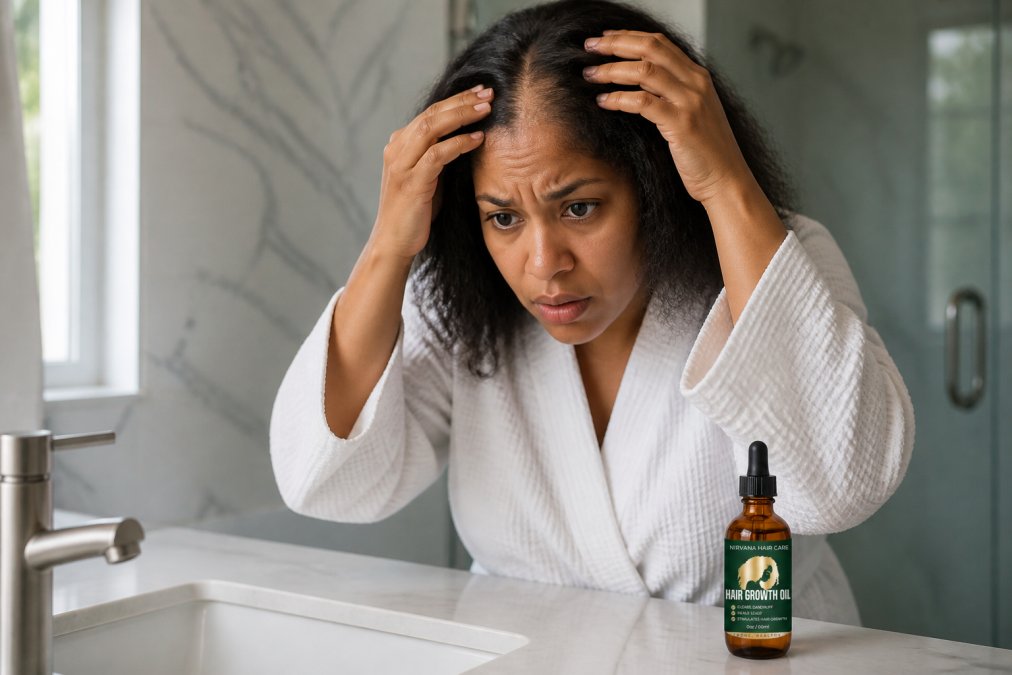
Understanding what's happening in your scalp helps you approach hair recovery with the right mindset. The hair follicles themselves aren't damaged, they're simply cycling faster than usual. This distinction matters because it means your hair WILL regrow, but the timeline depends on scalp health and the products you use during this vulnerable period. A healthy scalp microbiome, proper moisture retention, and follicle stimulation all accelerate recovery.
The best approach during postpartum hair loss isn't aggressive treatment, it's gentle nourishment. This is where choosing the right gentle shampoo for postpartum hair becomes critical. Your scalp and hair are in a weakened state, meaning harsh sulfates, parabens, and heavy proteins can actually slow recovery rather than help it. At Nirvana Wellness Store, we understand that postpartum hair care requires a different strategy than your pre-pregnancy routine.
Breastfeeding mothers face an additional consideration: ingredient safety. Many traditional hair treatments contain compounds that can transfer into breast milk, making ingredient transparency essential. The gentle shampoo for postpartum hair you choose should prioritize both efficacy and safety for nursing mothers.
Key Ingredients to Look for in Gentle Shampoo for Postpartum Hair
The most effective gentle shampoos for postpartum hair recovery contain specific botanical ingredients that support scalp health without stripping natural oils. Biotin strengthens the hair shaft and reduces breakage during the shedding phase. Keratin proteins repair damaged cuticles without weighing hair down when formulated correctly. Rosemary extract improves scalp circulation, which directly supports follicle stimulation and hair density recovery.
Zinc pyrithione addresses scalp microbiome balance without the harshness of traditional dandruff treatments. Many postpartum women experience scalp sensitivity and minor flaking as hormones normalize, zinc pyrithione handles this gently while supporting overall scalp health. Panthenol provides deep moisture retention without creating buildup, which is crucial because postpartum hair is often simultaneously dry at the roots and oily at the scalp.
Look for hypoallergenic formulations and pH-balanced shampoos specifically. The pH of your shampoo affects how much the hair cuticle swells during washing, higher pH means more swelling, which increases breakage during the vulnerable postpartum period (peer-reviewed research). A properly pH-balanced gentle shampoo for postpartum hair keeps the cuticle closed and protected.
Sulfate-Free Formulas and Why They Matter
Sulfates are harsh cleansing agents that strip natural oils aggressively. During postpartum hair loss, your scalp is already struggling to maintain oil balance as hormones stabilize. Sulfate-free shampoos use gentler surfactants like coco-glucoside or decyl glucoside, which clean effectively without the stripping action.
The difference becomes obvious within 2-3 weeks of switching to sulfate-free products. Hair feels less brittle, scalp irritation decreases, and the shedding phase often feels less severe. This isn't because the shampoo stops hair loss, it's because gentler cleansing supports the scalp environment where regrowth happens.
Sulfate-free formulas are especially important if you're using heat styling during recovery. The combination of heat damage and sulfate stripping creates compounding damage that extends the postpartum hair loss phase. A sulfate-free gentle shampoo for postpartum hair protects what's already vulnerable.
Ingredients to Avoid While Breastfeeding
Certain common hair care ingredients raise safety concerns for nursing mothers. Salicylic acid and benzoyl peroxide, found in some clarifying shampoos, can absorb systemically and transfer into breast milk. Coal tar, used in some anti-dandruff treatments, carries similar concerns. Phthalates, often hidden in fragrance blends as "parfum," are endocrine disruptors that shouldn't be introduced during breastfeeding.
Parabens (methylparaben, propylparaben, butylparaben) accumulate in breast tissue and appear in breast milk in measurable amounts. While regulatory agencies classify them as safe at current exposure levels, many nursing mothers prefer to avoid them entirely during this sensitive period. The same applies to synthetic musks and certain preservatives.
Heavy silicones like dimethicone can build up on the scalp and interfere with follicle stimulation. While they temporarily improve hair texture, they create a barrier that prevents the scalp from breathing and receiving the nourishment it needs during recovery. Protein overload, using multiple protein-rich products simultaneously, can actually weaken postpartum hair by making it too rigid and prone to breakage.
Best Practices for Postpartum Hair Care
The most overlooked aspect of postpartum hair recovery is post-wash care. How you treat your hair immediately after shampooing determines whether you're supporting regrowth or compounding damage. Gentle detangling with a wide-tooth comb while hair is still wet prevents breakage. Pat-drying rather than rubbing reduces friction damage that weakens already-fragile strands.
Scalp health directly impacts hair regrowth speed. A healthy scalp has balanced pH, good circulation, and a stable microbiome, all things that gentle shampoos support but don't create alone. The products you use between washes matter as much as the shampoo itself. Leave-in conditioners provide continuous moisture. Scalp serums with nourishing oils support the follicle environment.
Temperature matters more during postpartum recovery than most guides acknowledge. Hot water opens the hair cuticle and increases moisture loss. Lukewarm or cool water rinses seal the cuticle and lock in hydration. This simple change, combined with the right gentle shampoo for postpartum hair, accelerates visible improvement.
Frequency of washing affects recovery timeline. Washing every other day is gentler than daily washing during the postpartum period. If your hair feels oily, dry shampoo between washes extends the interval without stripping your scalp further. The goal is to reduce how often your scalp has to recover from cleansing.
Post-Wash Scalp Stimulation Techniques
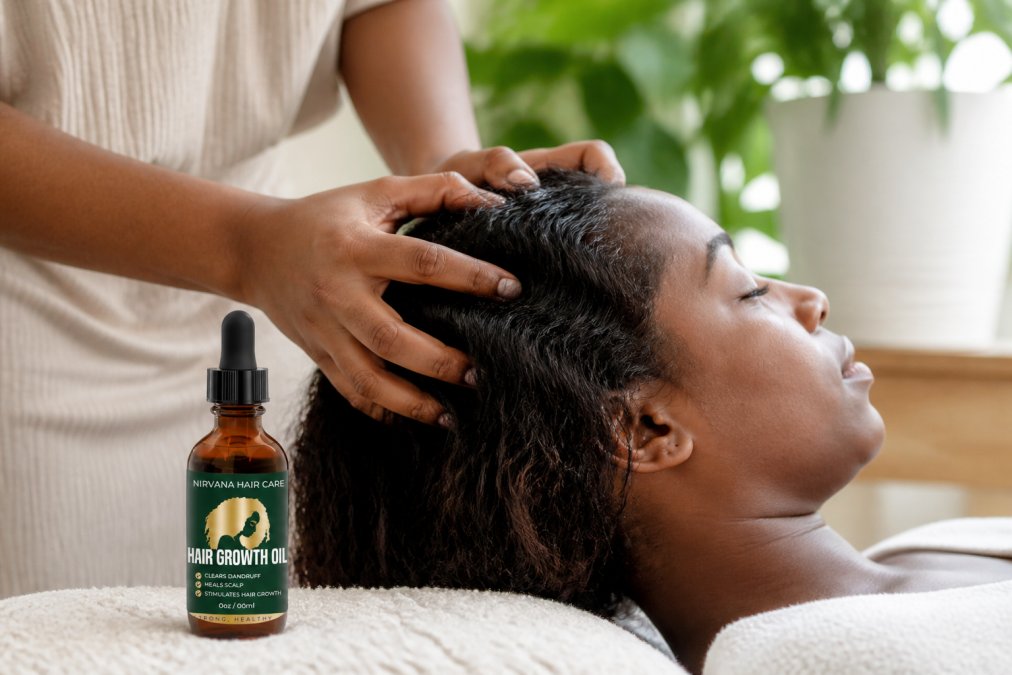
Scalp stimulation increases blood flow to hair follicles, directly supporting the regrowth phase. The most effective technique is gentle fingertip massage for 2-3 minutes immediately after shampooing. Use circular motions starting at the hairline and working backward toward the crown. This isn't aggressive, think of it as coaxing circulation, not forcing it.
A scalp massager tool can enhance this process. Soft-bristled scalp massagers provide consistent stimulation without the risk of nails damaging a sensitive postpartum scalp. Use this tool 3-4 times weekly for 5 minutes per session. The goal is consistent, gentle stimulation rather than intense treatment.
Dry brushing the scalp with a soft natural-bristle brush before shampooing also stimulates circulation. This removes dead skin cells and prepares the scalp for the shampoo. Many women find this step reduces scalp flaking and itching during the postpartum period. It takes 2 minutes and requires no additional products.
Natural Remedies for Postpartum Hair Loss
While gentle shampoos form the foundation of postpartum hair recovery, complementary natural remedies accelerate results. Rosemary oil applied directly to the scalp has been used for centuries to support hair density and follicle stimulation. Modern use involves mixing a few drops into a carrier oil and massaging into the scalp 2-3 times weekly. Results typically appear within 8-12 weeks of consistent use.
Scalp oils address the core issue during postpartum hair loss: inadequate nourishment at the follicle level. Coconut oil provides antimicrobial benefits and moisture retention. Jojoba oil closely mimics the scalp's natural sebum, making it ideal for rebalancing oil production. Argan oil supports hair shaft strength without heaviness. The Nirvana Hair Growth Oil combines these nourishing botanicals in a formula specifically designed for postpartum scalp health and follicle stimulation.

Biotin supplementation supports hair strength from within. Many postpartum women have depleted nutrient stores from pregnancy and breastfeeding. Biotin supplementation at 2.5 mg daily has shown measurable effects on hair strength and shedding reduction within 12 weeks. This works best when combined with external scalp care rather than as a standalone approach.
Dietary adjustments matter more during postpartum recovery than most guides emphasize. Iron deficiency accelerates postpartum hair loss, ensuring adequate iron intake through food or supplementation directly impacts hair density recovery. Zinc, selenium, and B vitamins all support the hair growth cycle. A nutrient-dense diet during the postpartum period accelerates recovery from the inside while gentle shampoos support it externally.
Choosing Sulfate-Free Shampoo for Postpartum Hair Recovery
Selecting the right product requires evaluating multiple factors beyond just the ingredient list. The gentle shampoo for postpartum hair should be formulated specifically for thinning or recovering hair, not general-purpose shampoos labeled "gentle" for marketing purposes. Real gentle formulas often use higher-quality surfactants and active ingredients.
Read the full ingredient list, not just the marketing claims. "Natural" doesn't automatically mean safe or effective. "Sulfate-free" is essential, but it's only the starting point. Look for the absence of parabens, phthalates, and heavy silicones. Verify that the formula includes at least 2-3 of the supportive ingredients mentioned earlier: biotin, keratin, rosemary extract, or zinc pyrithione.
Patch-test new products before full use, especially while breastfeeding. Apply a small amount to your scalp and wait 24 hours to check for sensitivity. Postpartum scalps are often more reactive than pre-pregnancy scalps due to hormonal shifts. A product that worked before pregnancy might cause irritation now.
Budget-Friendly vs. Luxury Options
Budget-friendly gentle shampoos for postpartum hair exist, but they often contain fewer active ingredients and rely more heavily on filler ingredients. These work for basic cleansing but may not accelerate recovery significantly. They're appropriate if your postpartum hair loss is mild and you're primarily looking to avoid making things worse.
Mid-range options offer better ingredient profiles with 2-3 active ingredients and superior formulation. These can deliver noticeable improvement with consistent use. This price point represents a good value for many postpartum women.
Luxury options typically include premium botanical extracts, higher concentrations of active ingredients, and sophisticated formulations. They may work faster and often provide additional benefits like scalp health or shine. These are worth considering if you have severe postpartum hair loss or sensitive skin that requires the gentlest possible formula.
For women committed to accelerating recovery, the Nirvana Hair Growth Oil at $34.99 provides concentrated active ingredients designed specifically for postpartum scalp support. The Double Pack at $64.99 provides consistency over the 3-4 month recovery window, the most critical period for follicle stimulation. This approach can be a cost-effective way to maintain a regimen without gaps.
| Option | Price | Best For | Key Benefit |
|---|---|---|---|
| Budget shampoo | $6-8 | Mild shedding | Prevents damage |
| Mid-range shampoo | $12-18 | Moderate loss | Visible improvement |
| Premium shampoo | $25-40 | Severe loss | Fastest recovery |
| Nirvana Hair Growth Oil | $34.99 | Scalp stimulation | Concentrated formula |
| Nirvana Hair Oil Double Pack | $64.99 | Committed recovery | 3-4 month supply |
The right choice depends on your shedding severity and commitment level. Mild postpartum hair loss responds well to mid-range gentle shampoos. Moderate to severe loss benefits from premium formulations or concentrated scalp treatments like the Nirvana Hair Growth Oil, which provides targeted follicle stimulation that shampoo alone cannot achieve.

Postpartum hair loss feels alarming in the moment, but recovery is entirely achievable with the right approach. The foundation is choosing a sulfate-free, carefully formulated gentle shampoo for postpartum hair that supports scalp health rather than stripping it. Beyond that, consistent scalp stimulation, nourishing oils, and gentle post-wash care accelerate regrowth. At Nirvana Wellness Store, the Hair Growth Oil and Double Pack provide concentrated botanical support specifically designed for postpartum scalp recovery, giving you the active ingredients your follicles need during this vulnerable phase. Start with a quality gentle shampoo, add scalp stimulation to your routine, and consider the Nirvana Hair Growth Oil as your accelerant for faster, more visible results.
Frequently Asked Questions
Q: What is the best shampoo for postpartum hair loss?
A: The best gentle shampoo for postpartum hair combines sulfate-free cleansing with nourishing ingredients like biotin, keratin, and rosemary extract. Look for formulas that support scalp health and hair density without harsh chemicals. Products that are paraben-free and pH-balanced help prevent further breakage during the telogen effluvium phase when hair shedding naturally peaks. Pairing a quality shampoo with scalp stimulation and consistent care yields strong results for hair recovery.
Q: Are there specific ingredients to avoid in shampoo after giving birth?
A: Yes. Avoid sulfates, parabens, and harsh synthetic fragrances that can irritate the scalp and weaken hair during recovery. If breastfeeding, skip products with phthalates and certain chemical preservatives that may absorb through the scalp. Steer clear of shampoos with heavy silicones that coat hair and prevent moisture retention. Instead, choose hypoallergenic formulas with natural botanicals. Reading ingredient labels carefully ensures you're using products safe for both you and your baby during this sensitive postpartum period.
Q: How long does postpartum hair loss typically last?
A: Postpartum hair loss, or telogen effluvium, typically begins 2-4 months after delivery and peaks around 4-6 months. Most women see significant improvement within 6-12 months as hormonal levels stabilize and the hair cycle normalizes. Using a gentle, sulfate-free shampoo throughout this period helps minimize breakage and supports the scalp microbiome, which can accelerate recovery. If shedding continues beyond 12 months or worsens, consult a dermatologist to rule out other conditions.
Q: Can I use a sulfate-free shampoo for postpartum hair while breastfeeding?
A: Yes, sulfate-free shampoos are safe while breastfeeding. In fact, they're the better choice because they're gentler on the scalp and less likely to contain chemicals that could absorb systemically. Look for products specifically labeled hypoallergenic and free from parabens, phthalates, and harsh preservatives. Many formulas are designed with nursing mothers in mind. Always check ingredient lists and choose brands transparent about their sourcing and safety testing to ensure peace of mind during this important time.
This article was written using GrandRanker