


Table of Contents
- Understanding Postpartum Hair Loss and the Growth Cycle
- How Long Does Postpartum Hair Loss Duration Last?
- Best Vitamins for Postpartum Hair Loss Recovery
- Nutrition and Dietary Changes to Support Hair Health
- Natural Oils and Scalp Stimulation for Follicle Health
- How to Style Postpartum Baby Hairs and Regrowth
- Gentle Hair Care Routines During Recovery
- When to Consult a Dermatologist
Last Updated: August 16, 2026
Understanding Postpartum Hair Loss and the Growth Cycle
Postpartum hair regrowth is a natural process that begins when hormonal fluctuations stabilize after pregnancy and childbirth. Many new mothers experience significant hair shedding in the months following delivery, a condition known as telogen effluvium. This happens because elevated estrogen levels during pregnancy extend the anagen phase (active growth phase) of the hair cycle. When estrogen levels drop postpartum, a large number of hair follicles simultaneously enter the telogen phase (resting phase), leading to increased shedding.
Understanding this cycle is essential for supporting postpartum hair regrowth effectively. The hair follicle goes through distinct phases: anagen (growth), catagen (transition), and telogen (rest). During pregnancy, more follicles remain in the anagen phase than usual. After delivery, this reverses rapidly, causing the temporary but noticeable hair loss that concerns many postpartum women.
The good news is that this shedding is temporary and reversible. Most women see a significant reduction in hair loss within 6-12 months as hormone levels stabilize. However, proactive support through nutrition, scalp care, and targeted remedies can accelerate the postpartum hair regrowth process and restore hair density more quickly. At Nirvana Wellness Store, we understand that postpartum recovery involves multiple dimensions of health, and hair health is an important one that deserves attention alongside other wellness priorities.
How Long Does Postpartum Hair Loss Duration Last?
Postpartum hair loss typically begins 2-4 months after delivery and peaks around month 4-5 postpartum. Most women experience the most noticeable shedding during this window. The duration varies, but many women see improvement by month 6-9 as hormone levels stabilize and the hair cycle normalizes.
For some women, postpartum hair loss duration extends longer, up to 12-15 months, depending on factors like breastfeeding status, overall health, nutritional intake, and stress levels. Breastfeeding can prolong hormonal fluctuations, which may extend the shedding phase slightly. However, this is not a reason to discontinue breastfeeding; rather, it's important to provide extra nutritional support during this period.
Post-weaning hair loss is also common. Many women notice a second wave of shedding when they stop breastfeeding, as estrogen levels drop further. This is temporary and follows the same recovery timeline as initial postpartum shedding.
The key is patience combined with active support. While time alone will resolve the issue, targeted interventions, dietary changes, supplements, and scalp stimulation, can noticeably improve hair density and regrowth speed during this window. Most women who implement these strategies report visible improvement in hair thickness and reduced shedding within 8-12 weeks.
Best Vitamins for Postpartum Hair Loss Recovery
Biotin and B-Complex Vitamins
Biotin is one of the most researched nutrients for hair health and is frequently recommended for postpartum hair regrowth. This B-vitamin supports keratin production, the primary protein in hair structure. During postpartum recovery, when the body is healing and hair follicles are transitioning back to active growth, adequate biotin intake becomes especially important.
B-complex vitamins work synergistically with biotin to support hair follicle health. B6, B12, and folate are critical for cell division and protein synthesis, processes essential for new hair growth. Many postpartum women have depleted B-vitamin stores from pregnancy and lactation, making supplementation a practical strategy.

A practical approach is to include biotin-rich foods in your daily diet: eggs, almonds, salmon, and sweet potatoes are excellent sources. If dietary intake is insufficient, biotin supplements are widely available and generally well-tolerated. Many postpartum women find that combining dietary sources with a quality B-complex supplement accelerates visible improvement in hair density.
Iron, Zinc, and Essential Minerals
Iron deficiency is one of the most common nutritional gaps in postpartum women and directly impacts hair health. Iron is essential for oxygen transport to hair follicles and for maintaining the anagen phase. Low iron levels can trigger or worsen telogen effluvium, extending the duration of postpartum hair loss.
Zinc plays a critical role in follicle health and hair growth regulation. This mineral supports protein synthesis and immune function, both important during postpartum recovery. Zinc deficiency is associated with hair thinning and delayed regrowth, making it a key nutrient to monitor postpartum.
Selenium and copper are additional trace minerals that support hair health. Selenium protects hair follicles from oxidative stress, while copper is involved in melanin production and hair pigmentation. A deficiency in either can contribute to hair breakage and slower regrowth.
Practical strategy: Have your iron and zinc levels checked postpartum, especially if you experienced significant blood loss during delivery or are breastfeeding. If levels are low, supplementation under medical guidance is appropriate. Iron-rich foods include red meat, spinach, lentils, and fortified cereals. Zinc sources include oysters, beef, pumpkin seeds, and chickpeas.
Nutrition and Dietary Changes to Support Hair Health
Postpartum hair regrowth depends fundamentally on nutritional status. The body prioritizes healing and milk production postpartum, which can deplete nutrient stores needed for hair follicle health. Intentional dietary changes can shift this balance.
Protein is foundational. Hair is primarily composed of keratin, a structural protein. Postpartum women need adequate protein intake, approximately 1.2-1.6 grams per kilogram of body weight daily, to support new hair growth and overall tissue repair. Include protein at every meal: chicken, fish, eggs, Greek yogurt, legumes, and nuts.
Essential fatty acids are critical for scalp health and follicle function. Omega-3 and omega-6 fatty acids reduce inflammation, support blood flow to the scalp, and strengthen hair structure. Fatty fish (salmon, mackerel, sardines), walnuts, flaxseeds, and chia seeds are excellent sources. Many postpartum women benefit from adding these foods consistently to their diet.
Collagen-supporting nutrients matter more than you might expect. Vitamin C is essential for collagen synthesis, and collagen provides structural support to hair follicles. Citrus fruits, berries, bell peppers, and leafy greens are rich in vitamin C. Pairing these with iron-rich foods enhances iron absorption, addressing two nutritional needs simultaneously.
Hydration directly affects hair health. The hair shaft is composed of approximately 13% water. Adequate hydration supports nutrient transport to follicles and maintains hair elasticity, reducing breakage. Aim for consistent water intake throughout the day, especially if breastfeeding.
A practical dietary framework: Build meals around protein sources, include a variety of colorful vegetables and fruits for micronutrients, incorporate healthy fats, and maintain consistent hydration. This approach addresses the multiple nutritional demands of postpartum recovery while directly supporting postpartum hair regrowth.
Natural Oils and Scalp Stimulation for Follicle Health
Scalp massage is one of the most underutilized yet effective strategies for supporting postpartum hair regrowth. Regular scalp stimulation increases blood flow to hair follicles, delivering oxygen and nutrients directly to the follicle base. This improved circulation can accelerate the transition from telogen back to anagen phase.
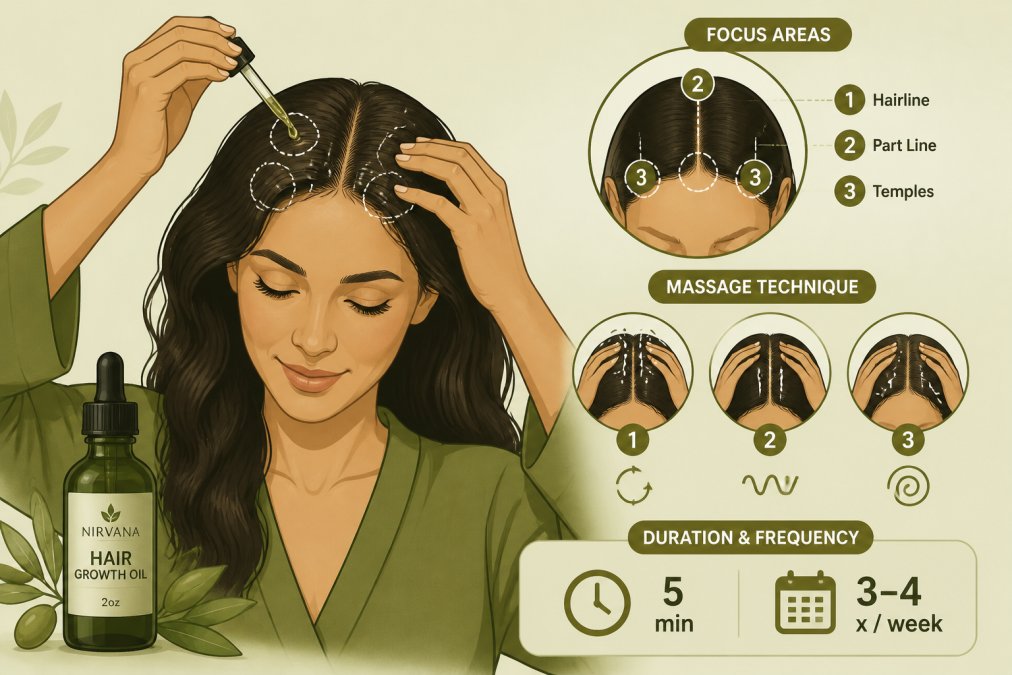
Natural oils enhance this process. Coconut oil, argan oil, and jojoba oil have properties that nourish the scalp, reduce inflammation, and support follicle health. These oils are rich in fatty acids and antioxidants that protect hair follicles from oxidative stress while providing moisture to the scalp environment where new hair grows.
The technique matters. Use your fingertips (not nails) to apply gentle, circular pressure across the entire scalp for 5-10 minutes daily. Start at the hairline and work backward, spending extra time on areas where you notice the most shedding or thinning. This practice is safe during breastfeeding and costs nothing beyond the oil itself.
Nirvana Hair Growth Oil is specifically formulated to support this practice. The 2oz bottle ($34.99) contains a botanical blend designed to nourish the scalp and support follicle health during postpartum recovery. Many women integrate this into their daily routine, applying it during their scalp massage session. For women committed to consistent scalp stimulation, the Double Pack ($64.99) provides two bottles, one for home use and one for travel or backup.

Consistency is more important than intensity. Daily or near-daily scalp massage with a nourishing oil, maintained over 8-12 weeks, produces visible results in hair density and reduced shedding. This is a low-cost, safe intervention that complements other postpartum hair regrowth strategies.
How to Style Postpartum Baby Hairs and Regrowth
New postpartum hair regrowth appears as fine, shorter hairs around the hairline and crown, commonly called "baby hairs." These shorter regrowth strands are normal and indicate active hair follicle recovery. However, styling them can be challenging, and many women feel self-conscious about the appearance.
The goal is to work with these hairs rather than against them. Tight hairstyles, ponytails, braids, buns, can create tension that stresses both the new growth and existing hair, potentially worsening hair breakage. Instead, opt for loose, low-tension styles that allow the new hairs to grow undisturbed.
Practical styling approaches include loose waves, soft layers that blend the shorter regrowth with longer hair, and textured styles that camouflage the shorter strands. Headbands, scarves, and clips can frame the face while allowing the hairline hairs to remain loose. Many women find that these styling choices feel more comfortable postpartum anyway, as they reduce scalp tension and sensitivity.
Volumizing products can help. Lightweight volumizing sprays or powders at the roots create the appearance of fuller hair while the regrowth phase continues. These products are temporary but psychologically helpful during the period when postpartum hair regrowth is most noticeable.
Patience is essential. Baby hairs typically reach shoulder length or longer within 12-18 months, at which point they blend seamlessly with the rest of your hair. In the interim, protective styling and volumizing products bridge the gap.
Gentle Hair Care Routines During Recovery
Hair care during postpartum recovery requires a shift toward gentleness. The scalp is more sensitive postpartum, and new hair growth is more fragile than established hair. Harsh treatments, excessive heat, and aggressive styling can compromise both comfort and results.
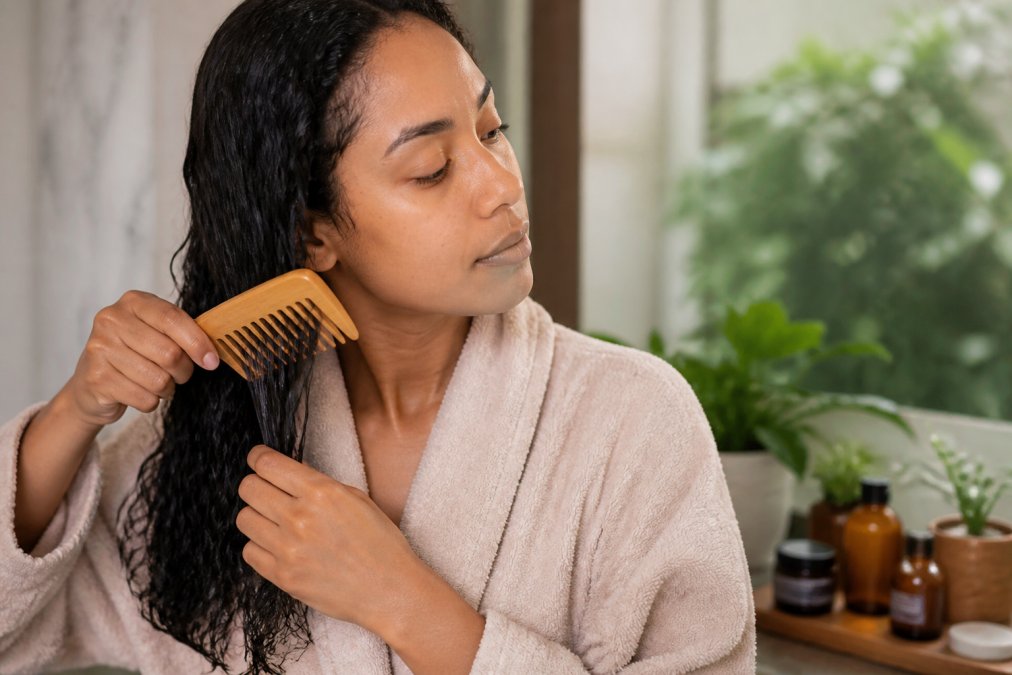
Start with sulfate-free shampoo. Sulfates strip natural oils from the scalp and hair, which is counterproductive when you're trying to support hair health. Sulfate-free formulas cleanse without disrupting the scalp's natural protective barrier. Wash hair 2-3 times per week rather than daily, this reduces scalp stress and preserves natural oils.
Use a wide-tooth comb for detangling, especially on damp hair. The wide teeth prevent breakage and reduce tension on fragile new growth and existing hair. Avoid brushing wet hair aggressively; instead, gently comb through tangles starting at the ends and working upward.
Minimize heat styling during the postpartum period. Air-drying is preferable. If you must use heat, use a heat protectant spray and keep temperatures moderate. High heat can damage the protein structure of hair and increase breakage, the opposite of what you're trying to achieve.
Deep conditioning treatments support hair health. Apply a nourishing conditioner or hair mask 1-2 times weekly, focusing on the mid-lengths and ends. Leave it on for at least 10-15 minutes to allow the conditioning ingredients to penetrate. This practice is especially important if you're using any heat styling or if your hair feels dry.
Scalp health is hair health. Avoid products with harsh chemicals, and consider switching to gentler, natural formulations during postpartum recovery. The combination of gentle cleansing, minimal heat, wide-tooth combing, and regular deep conditioning creates an environment where postpartum hair regrowth can thrive.
When to Consult a Dermatologist
Most postpartum hair loss resolves naturally within 6-12 months without intervention. However, certain situations warrant professional evaluation.
Consult a dermatologist if hair loss continues beyond 12-15 months postpartum, if shedding is severe enough to cause visible scalp exposure, or if you notice other symptoms like scalp pain, itching, or unusual texture changes. These could indicate underlying conditions unrelated to postpartum hormonal changes, such as thyroid dysfunction, nutritional deficiencies beyond iron and zinc, or conditions like alopecia areata.
Hair texture changes sometimes accompany postpartum hair loss. New growth may be curlier, straighter, or finer than your pre-pregnancy hair. This is usually temporary and resolves as the hair grows. However, if texture changes persist or are accompanied by significant breakage, professional evaluation is helpful.
A dermatologist can assess whether additional interventions are needed, order blood work to identify nutritional gaps, and rule out other causes of hair loss. They can also recommend prescription treatments like minoxidil if appropriate for your situation.
Additionally, if you're experiencing significant psychological distress related to postpartum hair loss or changes in appearance, this is worth discussing with your healthcare provider. Postpartum body image concerns are common and valid, and support, whether from a therapist, support group, or trusted healthcare provider, is appropriate and helpful.
Supporting postpartum hair regrowth requires a multifaceted approach: nutritional support through diet and targeted supplements, scalp stimulation with nourishing oils, and gentle hair care practices that protect new growth. The process takes time, typically 6-12 months for full recovery, but these interventions accelerate visible improvement and restore confidence during postpartum recovery.
The combination of biotin, B-complex vitamins, iron, zinc, and essential fatty acids addresses the nutritional foundation. Regular scalp massage with natural oils increases blood flow and follicle health. Gentle styling, sulfate-free products, and protective practices minimize breakage and support the regrowth phase.
Start with the strategies that feel most manageable: dietary improvements, daily scalp massage with Nirvana Hair Growth Oil, and a switch to gentler hair care products. Most women see noticeable improvement in hair density and reduced shedding within 8-12 weeks of consistent practice. Nirvana Wellness Store's Hair Growth Oil is formulated specifically to support this postpartum hair regrowth journey, making scalp stimulation more effective and accessible. Consistency matters more than perfection, small daily practices compound into visible, lasting results.
Frequently Asked Questions
Can postpartum hair loss grow back naturally?
Yes, postpartum hair loss is temporary. Hair typically regrows within 6-12 months as hormone levels stabilize. The hair that sheds during the telogen phase naturally transitions back into the anagen growth phase. Supporting regrowth with proper nutrition, vitamins like biotin and iron, and scalp care can accelerate recovery and improve hair density during this transition.
What are the best vitamins for postpartum hair loss?
Biotin, iron, zinc, and B-complex vitamins are most effective for postpartum hair regrowth. Biotin strengthens hair structure, while iron and zinc address nutritional deficiencies common after pregnancy. Vitamin D and omega-3 fatty acids also support follicle health. Prenatal vitamins designed for postpartum recovery often contain these nutrients in balanced doses. Consult your healthcare provider before starting supplements, especially if breastfeeding.
How should I style postpartum baby hairs without causing breakage?
Use a wide-tooth comb on damp hair and avoid tight hairstyles like ponytails or braids that stress new growth. Keep styling gentle and minimal, allowing baby hairs to strengthen naturally. Avoid heat tools initially. Once regrowth is stronger, you can use lightweight volumizing products or soft styling techniques. Scalp massage with natural oils like those in Nirvana Hair Growth Oil can help baby hairs blend with longer strands while stimulating follicle health.
How long does postpartum hair loss typically last?
Most women experience peak shedding between 3-6 months postpartum, with the heaviest loss occurring around month 4. Hair loss generally subsides by 6-12 months as hormone levels return to normal. Post-weaning hair loss can occur if you stop breastfeeding, triggering another temporary shedding phase. Timeline varies based on individual hormonal recovery, nutrition, and overall health. If hair loss persists beyond 12 months, consult a dermatologist.
This article was written using GrandRanker