


Table of Contents
- How to Buy Organic Hair Health Supplements Online Safely
- Best Organic Hair Growth Vitamins: Key Ingredients Explained
- Natural Hair Growth Supplements Reviews: What Works
- Organic Biotin for Hair Growth: Dosage and Bioavailability
- Side Effects to Taking Organic Hair Health Supplements
- Where to Buy Organic Hair Supplements: Sourcing and Sustainability
- Hair Loss vs. Hair Thinning vs. Hair Quality: Which Supplement Is Right for You
- Conclusion
Buy Organic Hair Health Supplements Online: 2026 Guide
Last Updated: July 24, 2026
When you buy organic hair health supplements online, you're navigating a marketplace offering thousands of products claiming to support hair growth, thickness, and scalp health. Distinguishing between genuinely effective formulations and marketing hype requires knowing what to look for in ingredients, certifications, and clinical backing. This guide cuts through the noise, explaining how to evaluate organic hair supplements for quality and efficacy, identifying key ingredients that work, and showing you where to source products you can trust.
How to Buy Organic Hair Health Supplements Online Safely
The decision to buy organic hair health supplements online starts with understanding certification standards. In the United States, USDA organic certification is the gold standard for supplement ingredients, confirming they've been grown without synthetic pesticides, herbicides, or GMOs. However, certification alone doesn't guarantee efficacy, it only confirms sourcing standards.
When shopping online, look for products displaying USDA organic certification on the label and examine the full ingredient list for specific concentrations. Avoid products using vague terms like "proprietary blend" without specifying quantities.
Checking for Third-Party Testing and Transparency
Third-party testing separates trustworthy supplements from questionable ones. When you buy organic hair health supplements online, verify that the product has been tested by an independent laboratory. Common third-party certifiers include NSF International, USP (U.S. Pharmacopeia), and ConsumerLab. These organizations test for purity, potency, and contamination.
A product that passes third-party testing will display a certification mark on its packaging or website. Reputable brands publish detailed information about sourcing, manufacturing facilities, and quality control processes, specifying where ingredients originate and whether they use GMP-certified facilities.
Best Organic Hair Growth Vitamins: Key Ingredients Explained
The most effective organic hair health supplements combine biotin, collagen, and keratin. Biotin (vitamin B7) supports keratin production, collagen provides structural proteins for hair strength, and keratin directly reinforces hair structure. A typical therapeutic biotin dose ranges from 2.5 to 5 mg daily.
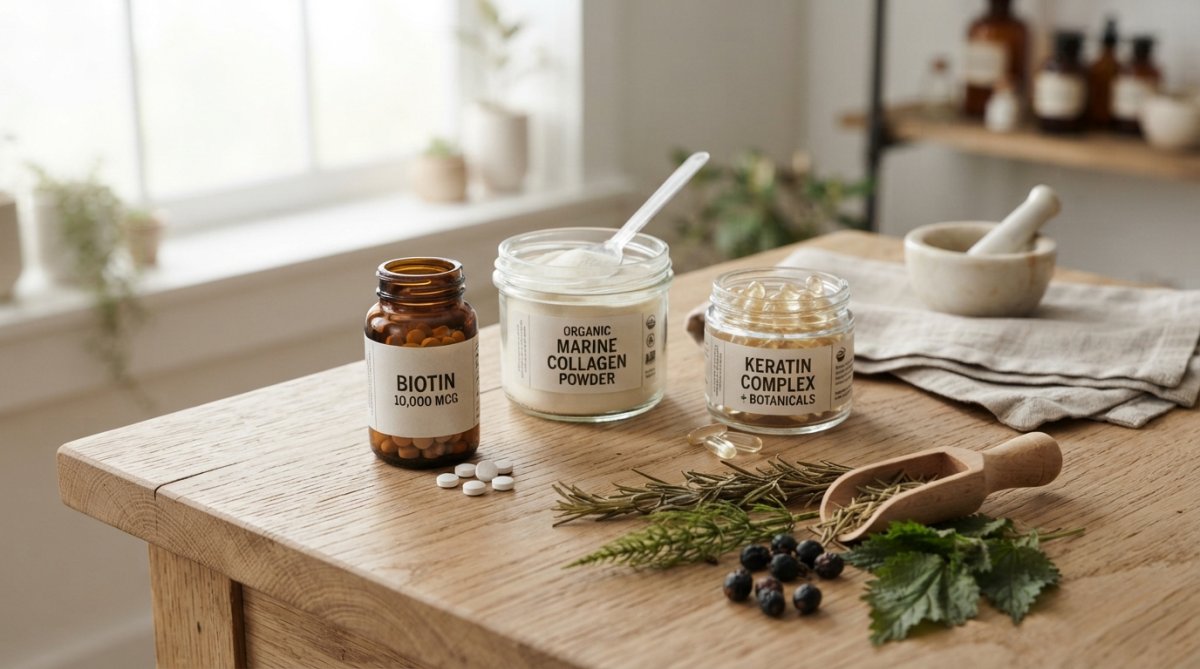
Collagen peptides (hydrolyzed collagen) are broken down into smaller molecules for efficient absorption, providing amino acids like glycine and proline that build hair structure and support scalp health. Hydrolyzed keratin has better bioavailability than intact keratin molecules, when you buy organic hair health supplements containing keratin, look for "hydrolyzed" on the label.
(https://qx2r3d-36.myshopify.com/blogs/news/natural-alternatives-to-chemical-hair-growth-serums-2026-guide) Vitamins: Key Ingredients Explained]Adaptogens and Botanical Extracts for Scalp Health
Adaptogens like ashwagandha and rhodiola help manage stress, a significant factor in hair loss. Chronic stress elevates cortisol, which can push hair follicles into the telogen (shedding) phase prematurely.
Horsetail extract contains silica essential for hair strength and elasticity. Bhringaraj, used in Ayurvedic medicine, supports scalp health and reduces shedding. Amla (Indian gooseberry) provides vitamin C and antioxidants protecting hair follicles from oxidative stress. Hibiscus may promote the anagen (growth) phase of the hair cycle.
Natural Hair Growth Supplements Reviews: What Works
Clinical studies on hair supplements show mixed but promising results. Research on biotin supplementation demonstrates that doses of 2.5 mg daily can improve hair growth and reduce shedding in people with biotin deficiency. Studies on collagen peptides show improvements in skin elasticity and hydration, which may indirectly support scalp health. Keratin supplementation has shown measurable improvements in hair strength and brittleness.
Most studies involve small sample sizes and relatively short timeframes (8-12 weeks), though hair growth cycles typically span 3-6 months. When reading customer testimonials, look for specific details: "I noticed less hair in my shower drain after 10 weeks" is more credible than generic endorsements.
Hair Density, Thickness, and Shedding: What to Expect
Hair supplements address nutritional deficiencies and support the biological conditions for healthy hair growth. They cannot reverse genetic male or female pattern baldness, but they can improve hair quality and reduce shedding in people with nutritional gaps.
Hair density is largely determined by genetics. However, supplements can improve the thickness of individual hair strands and reduce breakage, creating the appearance of fuller hair. Normal shedding ranges from 50-100 hairs daily. Supplements containing biotin, iron, zinc, and botanical extracts can reduce excessive shedding caused by nutritional deficiency or stress.
Most people notice improvements in hair quality within 4-6 weeks. Measurable changes in hair thickness and density typically require 12-16 weeks of consistent supplementation.
Organic Biotin for Hair Growth: Dosage and Bioavailability
Biotin deficiency is rare in developed countries because the nutrient is abundant in eggs, almonds, salmon, and sweet potatoes. However, certain conditions, digestive disorders, or long-term antibiotic use can impair biotin absorption.
For people with biotin deficiency, supplementation shows clear benefits for hair strength and growth. The therapeutic dose range is 2.5 to 5 mg (2,500 to 5,000 mcg) daily. Some formulations go higher, up to 10 mg daily, though research doesn't show additional benefit beyond 5 mg. Biotin is water-soluble and doesn't require fat for absorption. Consistency is crucial, biotin must be taken daily for 12+ weeks to see measurable hair improvements.
Recommended Daily Dosage and Hair Growth Cycles
Hair growth follows three phases: anagen (growth lasting 2-7 years), catagen (transition), and telogen (shedding). Supplements work by ensuring adequate nutrition during the anagen phase, resulting in stronger, thicker hair strands. New hair growth will reflect improved nutritional support, but existing hair won't change. Visible improvements typically require 12-16 weeks.
Recommended daily dosages for key hair supplement ingredients are:
- Biotin: 2.5-5 mg
- Collagen peptides: 10-20 grams
- Zinc: 8-11 mg
- Iron: 8-18 mg depending on age and gender
- Vitamin C: 75-90 mg
- Vitamin D: 600-800 IU
- Selenium: 55 mcg
Side Effects to Taking Organic Hair Health Supplements
Most organic hair health supplements are well-tolerated at recommended doses. Biotin is generally safe even at high doses because it's water-soluble, though very high doses (10+ mg daily) can occasionally cause skin rashes or acne in sensitive individuals.
Zinc supplements can cause nausea, especially on an empty stomach. Taking zinc with food reduces this effect. More concerning is zinc toxicity from chronic overuse, doses above 40 mg daily can suppress copper absorption and paradoxically increase hair shedding.
Iron supplements commonly cause gastrointestinal distress, constipation, or nausea. Iron can interfere with the absorption of certain medications, particularly antibiotics and thyroid medications. Taking iron supplements 2 hours apart from other medications minimizes this interaction.
Vitamin A can accumulate in the body at high doses. Chronic vitamin A toxicity causes hair loss. Ensure vitamin A content doesn't exceed 10,000 IU daily unless specifically recommended by a healthcare provider.
Drug-Nutrient Interactions and Safety Considerations
If you take thyroid medication (levothyroxine), iron, calcium, and magnesium supplements can reduce medication absorption. These supplements should be taken 4-6 hours apart from thyroid medication. If you take blood thinners like warfarin, vitamin K-rich botanical extracts can reduce medication efficacy.
Adaptogens like ashwagandha can enhance the effects of sedative medications and may interact with thyroid medications. Consult a healthcare provider before starting a new supplement regimen if you take any prescription medications.
Who Should Avoid Certain Ingredients
People with shellfish allergies should avoid supplements derived from marine sources, including some collagen peptides sourced from fish or shellfish. Plant-based collagen alternatives exist, though they're less bioavailable.
Individuals with histamine intolerance should be cautious with certain botanical extracts, as fermented ingredients and aged plant materials can contain elevated histamine levels.
People taking immunosuppressive medications should avoid high-dose adaptogens like ashwagandha, which can stimulate immune function. Iron supplements pose a particular risk for people with hemochromatosis or other iron metabolism disorders.
Where to Buy Organic Hair Supplements: Sourcing and Sustainability
The source where you buy organic hair health supplements online significantly impacts quality and reliability. Specialty wellness retailers focus specifically on supplement quality and typically vet suppliers more thoroughly, require third-party testing, and maintain stricter quality standards. Nirvana Wellness Store represents this category, curating products specifically chosen for quality and effectiveness.
When evaluating where to buy, consider whether the retailer publishes third-party test results, maintains GMP-certified manufacturing facilities, provides detailed ingredient sourcing information, offers a clear return policy, and features detailed verified customer reviews.
Reputable brands source botanical ingredients from suppliers that practice sustainable harvesting. Ashwagandha sourcing should support fair-trade practices with Indian farmers. Collagen sourcing should come from responsibly raised animals or marine sources certified by organizations like the Marine Stewardship Council.
Certified Organic and Non-GMO Verification
USDA Organic certification requires annual third-party audits and detailed documentation of ingredient sourcing. Non-GMO Project Verification confirms that ingredients haven't been genetically modified and that supply chains prevent GMO contamination.
When you buy organic hair health supplements online, look for both certifications displayed prominently on product pages. Products with both USDA Organic and Non-GMO Project Verified seals represent the highest sourcing standards, though they typically cost 20-30% more than uncertified alternatives. Always prioritize certified organic over unverified "natural" claims, as "natural" has no legal definition in the supplement industry.
Nirvana Wellness Store Hair Growth Oil: A Quality Option
For those seeking a topical complement to oral supplements, Nirvana Hair Growth Oil represents a carefully formulated option. This botanical blend is specifically selected for scalp health and follicle support.
The Nirvana Hair Growth Oil (2oz) at $34.99 provides a concentrated botanical formula designed to be applied directly to the scalp. Topical application bypasses digestive absorption, delivering ingredients directly where they're needed. The double-pack option at $64.99 offers better value for consistent use.
Oral supplements support systemic hair health through nutritional support. Topical oils condition the scalp, reduce inflammation, and create an optimal environment for follicle function. When using topical hair oils, massage the oil into your scalp using gentle circular motions for 2-3 minutes. Leave it on for at least 20 minutes (overnight application provides maximum benefit). Most people notice improved scalp comfort and reduced itching within the first week, though visible improvements in hair quality require consistent use over 4-8 weeks.
Hair Loss vs. Hair Thinning vs. Hair Quality: Which Supplement Is Right for You
Hair loss refers to pathological shedding beyond the normal 50-100 hairs daily, often indicating an underlying condition requiring diagnosis and treatment. Hair thinning describes a reduction in hair diameter or density over time, often resulting from nutritional deficiency, aging, hormonal changes, or chronic stress. Hair quality refers to the condition of existing hair, shine, smoothness, strength, and resistance to breakage.
If you're experiencing significant hair loss beyond normal shedding, supplements alone are insufficient. You need medical evaluation to identify the underlying cause. Androgenetic alopecia (genetic hair loss) requires pharmaceutical interventions like minoxidil or finasteride, not supplements.
If you're experiencing hair thinning or poor hair quality, supplements are an appropriate first-line approach. Start with a comprehensive formula containing biotin, collagen, keratin, and botanical extracts. Give it 12-16 weeks of consistent use before evaluating results.
Choosing the right organic hair health supplement requires balancing certification standards, ingredient efficacy, and realistic expectations. When you buy organic hair health supplements online, prioritize third-party testing, transparent sourcing, and evidence-based ingredient doses. Nirvana Wellness Store combines these standards with carefully selected formulations and topical options like our Hair Growth Oil. Start with a comprehensive oral supplement addressing multiple mechanisms of hair health, give it 12-16 weeks of consistent use, and complement it with scalp-focused topical care. This integrated approach delivers measurable improvements in hair strength, thickness, and overall quality.
| Ingredient | Recommended Daily Dose | Primary Benefit | Timeline to Results |
|---|---|---|---|
| Biotin | 2.5-5 mg | Keratin production, hair strength | 12-16 weeks |
| Collagen peptides | 10-20 grams | Hair structure, scalp elasticity | 8-12 weeks |
| Keratin | 500-1000 mg | Direct hair reinforcement | 12-16 weeks |
| Zinc | 8-11 mg | Follicle health, growth support | 8-12 weeks |
| Vitamin C | 75-90 mg | Antioxidant protection | 6-8 weeks |
| Horsetail extract | 300-500 mg | Silica for elasticity | 10-14 weeks |
| Ashwagandha | 300-600 mg | Stress reduction, cortisol management | 4-6 weeks |
According to National Institutes of Health research on micronutrient deficiency and hair loss, nutritional gaps are among the most common reversible causes of hair thinning and shedding. Research from Journal of Cosmetic Dermatology clinical studies on supplement efficacy demonstrates measurable improvements in hair thickness and reduced shedding with consistent supplementation. The FDA guidance on dietary supplement labeling and claims requires manufacturers to distinguish between structure-function claims and disease claims.
Frequently Asked Questions
What ingredients should I look for when buying organic hair health supplements online?
Look for biotin, collagen, keratin, and adaptogens like ashwagandha. Check for certified organic labels, non-GMO verification, and third-party testing. Micronutrients like selenium, zinc, and vitamin D support follicle stimulation and scalp health. Botanical extracts such as horsetail, bhringaraj, amla, and hibiscus enhance hair density and thickness. Verify bioavailability, liposomal formulations absorb better. Always check for gluten-free and vegan certifications if needed.
How long does it take for organic hair supplements to show results?
Hair growth occurs in cycles, the anagen (growth) phase lasts 2-7 years. Most people notice improvements in hair quality, shine, and reduced shedding within 4-8 weeks. Visible density and thickness changes typically appear after 3-6 months of consistent use. Clinical studies on biotin and collagen show measurable results at this timeline. Patience and consistent daily dosing are essential for optimal outcomes.
Are there side effects to taking organic hair health supplements?
Most organic supplements are well-tolerated, but biotin can cause mild acne or digestive upset in sensitive individuals. High-dose selenium may cause nausea. Drug-nutrient interactions can occur with blood thinners, diabetes medications, and thyroid drugs, consult your doctor if taking prescriptions. Vegan collagen alternatives may cause digestive adjustments. Start with recommended daily dosage and monitor your response. Discontinue if you experience allergic reactions or persistent discomfort.
What's the difference between organic biotin for hair growth and regular biotin supplements?
Organic biotin is sourced from certified organic crops without synthetic pesticides or GMO ingredients. Regular biotin may contain synthetic additives, fillers, or questionable sourcing. Organic formulations often include complementary ingredients for hair health, collagen, keratin, and adaptogens, creating synergistic effects. Third-party testing is more common with organic brands. While both biotin types support hair density, organic options offer transparency and sustainability alignment, making them preferable for health-conscious consumers.
Can organic hair supplements help with hair loss, thinning, and brittleness simultaneously?
Different concerns require targeted approaches. Hair loss (alopecia) benefits from follicle stimulation ingredients and adaptogens. Hair thinning improves with biotin, collagen, and keratin for increased density. Brittle hair responds to moisture-supporting nutrients like vitamin C and D, plus hydrating ingredients. Comprehensive formulas address multiple issues, but severe hair loss may need medical evaluation. Look for supplements covering micronutrient gaps and supporting the full hair growth cycle, anagen phase nutrition is critical.
This article was written using GrandRanker