
Table of Contents
- Why Natural Pain Relief Matters for Seniors
- Herbal Supplements and Botanicals for Chronic Pain Management
- Anti-Inflammatory Diet for Seniors
- Topical Herbal Pain Relief Options
- Heat Therapy, Cold Therapy, and Physical Approaches
- Safe Physical Activities for Chronic Pain
- Mind-Body Techniques and Stress Reduction
- Drug-Herb Interactions and Safety Precautions
Last Updated: August 19, 2026
Why Natural Pain Relief Matters for Seniors
Chronic pain affects quality of life beyond physical discomfort. Many seniors experience joint stiffness, arthritis-related aches, and muscle soreness that limits mobility and independence. Natural pain relief becomes essential when older adults need approaches that work alongside existing health routines without adding complexity or unwanted side effects.
At Nirvana Wellness Store, we understand that natural remedies address pain through anti-inflammatory properties, botanical compounds, and physical techniques used for centuries. Today's approach combines traditional wisdom with modern understanding of how these remedies work. Many seniors are turning away from over-the-counter medications as their first choice, exploring herbal supplements, topical analgesics, dietary changes, and mind-body techniques instead. Research shows that combining botanical supplements, dietary adjustments, and physical activity produces better long-term results than relying on any single remedy.
This guide covers the most effective natural pain relief strategies backed by practical experience, including herbal supplements, anti-inflammatory foods, topical solutions, physical approaches, and safety precautions essential for managing chronic pain.
Herbal Supplements and Botanicals for Chronic Pain Management
Herbal supplements contain active compounds that address inflammation at the source rather than masking symptoms. The botanical approach works slower than pharmaceutical pain relievers but produces fewer side effects and works well for long-term management.
Turmeric and Boswellia for Joint Inflammation
Turmeric contains curcumin, known for its anti-inflammatory properties. When seniors use turmeric regularly, many report improvements in joint flexibility and reduced morning stiffness. Benefits usually appear after several weeks of regular use.
Boswellia targets inflammatory pathways that contribute to joint pain. These botanicals are often combined because they address inflammation from complementary angles. A practical consideration is absorption: turmeric absorbs better when taken with black pepper or healthy fats, which is why many formulations include piperine or are designed to be taken with meals.

Ginger Root and Capsaicin
Ginger root offers anti-inflammatory benefits and digestive support, making it useful for seniors experiencing stomach sensitivity alongside joint pain. Fresh ginger tea, supplements, or ginger added to cooking all provide benefits, though concentration varies.
Capsaicin, derived from chili peppers, reduces substance P, a neurotransmitter involved in pain signaling. This is why capsaicin-based creams provide topical pain relief, they work at the nerve level rather than addressing inflammation systemically.
Anti-Inflammatory Diet for Seniors
What you eat directly influences inflammation levels throughout your body. An anti-inflammatory diet focuses on foods rich in antioxidants and omega-3 fatty acids while reducing foods that trigger inflammatory responses.
Foods That Reduce Joint Inflammation
Leafy greens like spinach and kale, fatty fish including salmon and mackerel, and berries offer antioxidant-rich benefits that combat inflammation. Olive oil, nuts, and seeds round out the foundation of an anti-inflammatory approach. The Mediterranean-style diet pattern has strong support for seniors managing chronic pain because it combines multiple anti-inflammatory foods in practical, enjoyable meals. Consistency matters, eating these foods occasionally produces minimal benefit, but making them dietary staples creates measurable improvements over weeks.
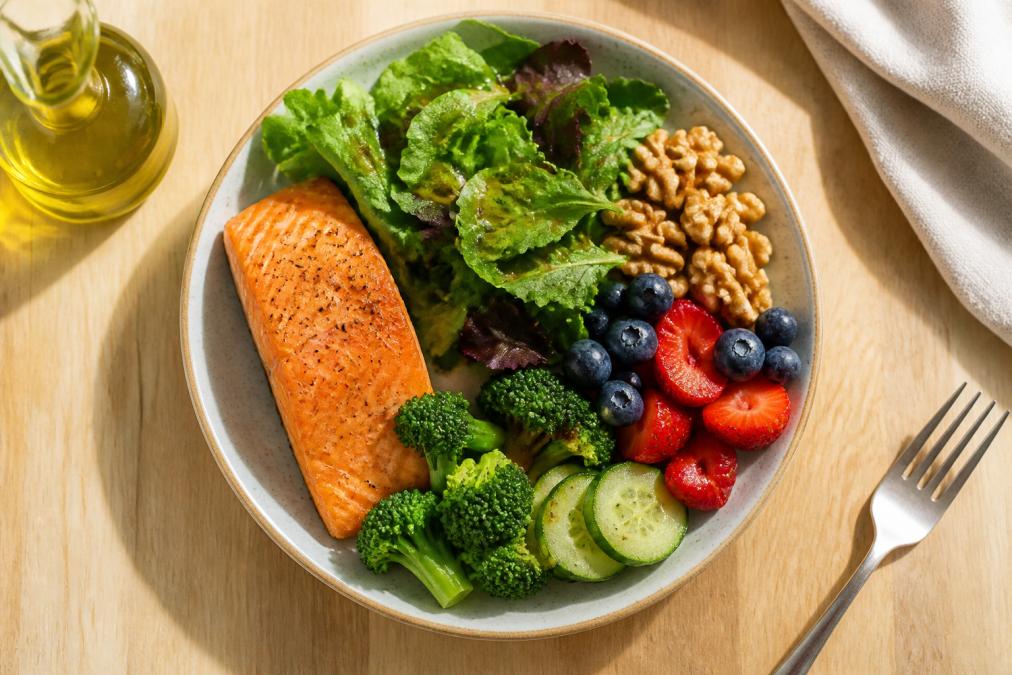
Prioritize turmeric-spiced dishes, ginger-based soups, avocados, walnuts, and dark chocolate (70% cacao or higher). These foods work together to create an environment in your body that resists inflammation.
Vitamins and Minerals for Pain Relief
Vitamin D deficiency is common in seniors and directly correlates with increased pain perception. Getting adequate vitamin D through sunlight exposure, fatty fish, or supplements supports bone health and reduces pain sensitivity.
Magnesium plays a crucial role in muscle relaxation and nerve function. Seniors with chronic pain often benefit from adequate magnesium intake through foods like pumpkin seeds, almonds, and spinach, or through supplementation. The typical recommendation is 310-420 mg daily for adults.
Calcium works alongside vitamin D and magnesium to support bone strength and reduce arthritis-related pain. Getting calcium from food sources tends to produce better absorption and overall health outcomes than supplements alone.
Topical Herbal Pain Relief Options
Topical solutions deliver pain relief directly to affected areas while avoiding systemic absorption. This makes topical herbal pain relief particularly useful for seniors with sensitive stomachs or those taking multiple medications.
How Topical Analgesics Work
Topical analgesics penetrate the skin to reach underlying tissues. Capsaicin-based creams work by depleting substance P in nerve endings, reducing pain signals. Menthol-based products create a cooling sensation that provides immediate comfort while reducing pain perception. Herbal creams combine multiple botanical extracts to address inflammation and pain through several mechanisms simultaneously.
The advantage of topical solutions is immediate localized relief. You apply the cream directly where you need it, and effects typically appear within minutes to hours.
Nirvana Magic Cream for Fast-Acting Relief
Nirvana Magic Cream offers a practical solution for seniors seeking fast-acting natural pain relief. Formulated with herbal ingredients designed for arthritis support and back pain relief, the cream provides topical analgesic benefits without the side effects of systemic medications. At $24.99, it's positioned as an accessible option for daily pain management.
The cream works best when applied to clean, dry skin over the affected area. For consistent results, applying the cream twice daily creates a maintenance approach that many seniors find effective for managing chronic pain patterns.
Many seniors integrate Nirvana Magic Cream into their broader pain management routine, using it alongside dietary changes and physical activity. The combination approach produces better outcomes than any single strategy alone.
Heat Therapy, Cold Therapy, and Physical Approaches
Temperature-based pain relief has been used for generations because it works. Heat therapy relaxes muscles, improves circulation, and reduces stiffness, making it ideal for chronic pain and arthritis. Cold therapy reduces inflammation and numbs acute pain, useful for recent injuries or flare-ups.
Heat therapy works well for chronic stiffness, arthritis pain, and muscle tension. Apply heat for 15-20 minutes using heating pads, warm baths, or heat wraps. Many seniors find that morning heat therapy reduces stiffness and improves mobility throughout the day.
Cold therapy works best for acute inflammation, recent injuries, or flare-ups. Apply cold for 10-15 minutes using ice packs or cold compresses. Some seniors alternate between heat and cold, heat in the morning for mobility, cold in the evening if inflammation increases.
Contrast therapy, alternating between heat and cold, can be particularly effective for chronic pain management. This approach stimulates circulation while reducing inflammation. A typical pattern involves 3 minutes of heat followed by 1 minute of cold, repeated 3-4 times.
Safe Physical Activities for Chronic Pain
Movement is essential for pain management, but the type of movement matters significantly. Appropriately chosen physical activities reduce pain, improve mobility, and support long-term health.
Gentle Stretching and Therapeutic Exercise
Stretching maintains flexibility and reduces muscle tension that contributes to chronic pain. Gentle stretching routines, held for 20-30 seconds without bouncing, work better than aggressive stretching. Many seniors benefit from daily stretching, particularly in the morning to address overnight stiffness.
Therapeutic exercise builds strength in muscles that support joints, reducing stress on arthritic areas. Water-based exercise is particularly valuable because water supports body weight while providing resistance. Swimming, water aerobics, and aquatic walking offer pain-free movement that builds strength and endurance.
Tai chi combines slow, controlled movements with balance training and mindfulness. Many seniors find that regular tai chi practice reduces pain, improves balance, and provides psychological benefits.
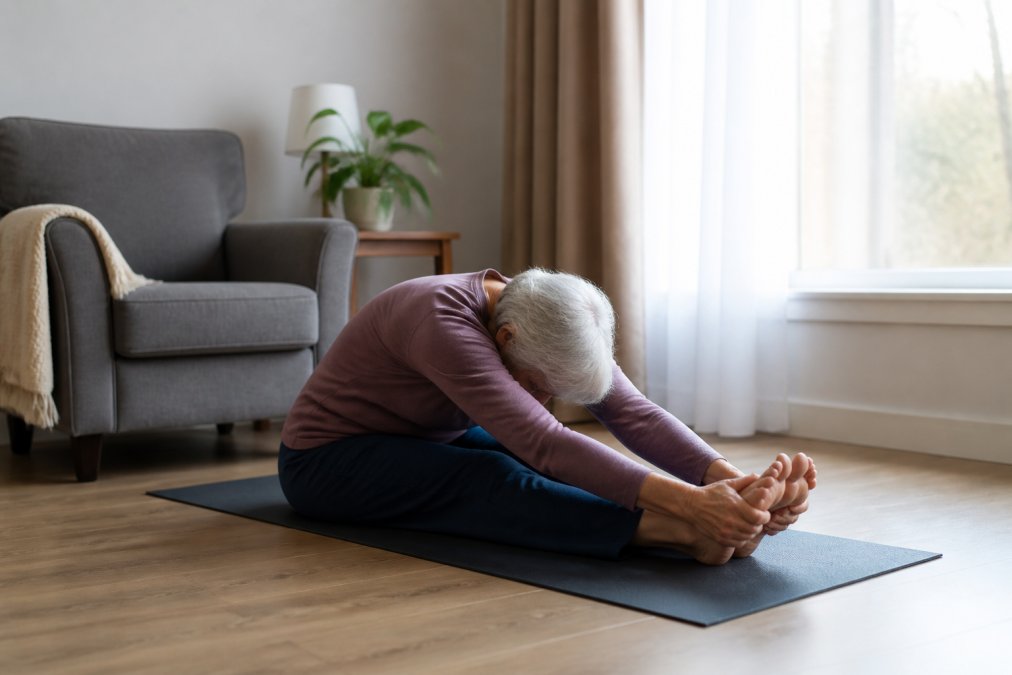
Walking remains one of the most accessible and effective physical activities for chronic pain management. Starting with 10-15 minute walks and gradually increasing duration allows seniors to build endurance without overload.
Accessibility-Focused Movements
Not all seniors have the same physical capabilities. Chair-based exercises allow seniors with limited standing tolerance to maintain strength and flexibility. Seated stretches, arm circles, and leg lifts provide therapeutic benefit without requiring standing balance.
Wall-supported exercises offer stability while building strength. Standing with hands on a wall, seniors can perform leg lifts, calf raises, and modified squats safely.
Modified yoga poses adapted for seniors provide flexibility, strength, and mindfulness benefits. Props like blocks, straps, and cushions make poses accessible regardless of current flexibility. The key is choosing modifications that challenge without causing pain.
Mind-Body Techniques and Stress Reduction
Chronic pain and stress create a feedback loop, pain causes stress, stress amplifies pain perception. Breaking this cycle through mind-body techniques provides measurable pain relief. Mindfulness-based stress reduction teaches attention control that reduces pain perception without medication.
Meditation practice, even 10-15 minutes daily, reduces pain threshold sensitivity over time. Many seniors find that consistent meditation practice produces cumulative benefits, pain feels less intense, flare-ups are less frequent, and overall quality of life improves.
Breathing techniques activate the parasympathetic nervous system, shifting your body from stress mode to relaxation mode. Slow, deep breathing, inhaling for 4 counts, holding for 4, exhaling for 6, immediately reduces pain perception and muscle tension.
Progressive muscle relaxation involves systematically tensing and releasing muscle groups. This technique teaches body awareness while reducing chronic muscle tension that contributes to pain.
Visualization involves mentally rehearsing pain-free movement or imagining peaceful environments. Visualization activates the same neural pathways as actual physical activity, producing measurable improvements in pain perception and functional ability.
Drug-Herb Interactions and Safety Precautions
Natural doesn't automatically mean safe when combined with medications. Herbal supplements interact with prescription medications, over-the-counter drugs, and other supplements in ways that matter for seniors taking multiple medications.
Turmeric can interact with blood thinners, increasing bleeding risk. If you take warfarin, aspirin, or other anticoagulants, discuss turmeric supplementation with your healthcare provider before starting.
Ginger has mild blood-thinning properties and can interact with anticoagulant medications. High doses of ginger might increase bleeding risk in combination with blood thinners.
Boswellia may interact with anti-inflammatory medications and blood thinners. The interaction potential is lower than with turmeric or ginger, but still warrants discussion with your healthcare provider.
Capsaicin cream used topically poses minimal systemic interaction risk because absorption is limited. However, applying capsaicin cream to broken skin or irritated areas can cause additional irritation.
According to FDA guidance on dietary supplement safety, seniors should inform their healthcare providers about all supplements they take to identify potential interactions. This conversation is particularly important if you take blood thinners, diabetes medications, blood pressure medications, or medications that affect the liver or kidneys.
Consulting a physician before starting any new supplement regimen is essential, particularly for seniors with existing health conditions. Your healthcare provider knows your complete medication list and health history, positioning them to identify interaction risks you might miss.
Quality matters when choosing supplements. Look for products from reputable manufacturers that provide third-party testing verification. The USP Dietary Supplement Verification Program identifies supplements that meet quality and purity standards.
Storage and expiration dates matter for supplement effectiveness. Store herbal supplements in cool, dry places away from direct sunlight. Replace supplements according to expiration dates rather than keeping them indefinitely.
Starting slowly with new supplements allows you to assess individual tolerance. Many seniors benefit from beginning with lower doses and gradually increasing to recommended levels.
Managing chronic pain as a senior requires a thoughtful approach that addresses inflammation, supports mobility, and respects your overall health context. Natural pain relief strategies, from herbal supplements to dietary changes to physical movement, provide effective alternatives to medication-only approaches. Nirvana Wellness Store's curated selection of wellness products, including Nirvana Magic Cream for fast-acting topical relief, supports your journey toward sustainable pain management. Explore our range of natural solutions and discover approaches that integrate seamlessly into your daily routine. Consult the National Institutes of Health resources on complementary health approaches for evidence-based information on natural pain relief strategies.
| Remedy Type | Best For | Timeline | Frequency |
|---|---|---|---|
| Herbal supplements (turmeric, ginger, boswellia) | Systemic inflammation and joint pain | 2-4 weeks to notice effects | Daily |
| Topical analgesics (Nirvana Magic Cream) | Localized pain and arthritis | 15-30 minutes | 2x daily |
| Anti-inflammatory diet | Long-term pain reduction | Gradual improvement over weeks | Daily eating pattern |
| Heat therapy | Chronic stiffness and muscle tension | Immediate relief | 15-20 minutes as needed |
| Cold therapy | Acute inflammation and flare-ups | Immediate numbing effect | 10-15 minutes as needed |
| Gentle stretching | Flexibility and mobility | Immediate relief, cumulative benefit | Daily |
| Walking | Overall pain reduction and fitness | Gradual improvement | 20-30 minutes most days |
| Meditation and breathing | Stress-related pain amplification | Immediate calming effect | 10-15 minutes daily |
Frequently Asked Questions
What is the safest natural pain relief for seniors?
The safest natural pain relief for seniors combines multiple approaches: herbal supplements like turmeric and boswellia for anti-inflammatory properties, topical analgesics such as capsaicin-based creams, heat and cold therapy, and gentle physical activity. Always consult your physician before starting new supplements, especially if you take medications, to avoid drug-herb interactions. Products like Nirvana Magic Cream offer fast-acting topical relief without systemic side effects.
How quickly does natural pain relief work compared to over-the-counter options?
Topical herbal pain relief creams typically provide relief within 15-30 minutes, similar to OTC analgesics. Oral supplements like turmeric and ginger work more gradually, often requiring 2-4 weeks of consistent use to reduce chronic pain. The advantage of natural remedies is sustained relief with fewer side effects. Cost-wise, a quality topical cream like Nirvana Magic Cream at $24.99 is comparable to many OTC options while offering botanical ingredients.
Are there natural alternatives to NSAIDs for seniors with sensitive stomachs?
Yes. Topical herbal pain relief avoids stomach irritation entirely since it's applied directly to the skin. Herbal supplements like boswellia and ginger have anti-inflammatory properties with gentler digestive profiles than NSAIDs. An anti-inflammatory diet for seniors, emphasizing leafy greens, fatty fish, and antioxidant-rich foods, reduces pain naturally without medication. Always consult your physician about safe dosage and contraindications with your current medications.
What exercises are safe for seniors managing chronic joint pain?
Safe physical activities for chronic pain include gentle stretching, water aerobics, tai chi, and seated exercises that don't stress joints. Accessibility-focused movements like chair yoga and resistance band work build strength without impact. Start slowly and combine exercise with heat therapy for stiffness and cold therapy for inflammation. Physical therapy guidance ensures proper form and prevents injury while improving physical mobility.
This article was written using GrandRanker