
Table of Contents
- Why Self-Care Tools Matter for Seniors
- 1. Pain Relief Products for Mobility and Comfort
- 2. Nutritional Support and Hydration Solutions
- 3. Assistive Devices for Daily Living
- 4. Home Safety Tools for Seniors
- 5. Self-Care Activities for Seniors That Build Wellness Routines
- How to Build Your Personal Self-Care Routine
- Conclusion
Last Updated: August 15, 2026
Why Self-Care Tools Matter for Seniors
Self-care tools for seniors are far more than wellness accessories, they're the foundation of independence, comfort, and quality of life in the golden years. As we age, our bodies change. Mobility decreases, recovery takes longer, and everyday tasks that once felt effortless can become sources of frustration or pain. The right self-care tools address these shifts directly, helping seniors maintain their independence while reducing unnecessary discomfort.
At Nirvana Wellness Store, we've observed that individuals who integrate thoughtful self-care routines into their daily lives often report higher satisfaction and greater confidence in managing their health. The difference isn't subtle. An individual who can manage joint discomfort with effective pain relief products stays more active. One who maintains proper hydration and nutrition has better energy and mental clarity. Someone with assistive devices for daily living avoids falls and maintains dignity in their own home.
This guide covers the essential self-care tools that matter most: pain management solutions, nutritional support, assistive devices, home safety equipment, and the wellness activities that tie it all together. Each category addresses a specific challenge individuals face. More importantly, each one is actionable today.
1. Pain Relief Products for Mobility and Comfort
Joint discomfort and muscle soreness are among the most common challenges individuals face. Unlike acute injuries that heal in weeks, chronic pain from arthritis, old injuries, or general wear affects daily life for years. The right pain relief products can mean the difference between staying active and withdrawing from activities you enjoy.
Topical pain relief creams work quickly and directly where you need them. They're applied to the skin over the affected area, knee, hip, shoulder, lower back, and provide a cooling or warming sensation that helps ease discomfort. Many individuals prefer them over oral medications because they work locally without affecting the whole body. Nirvana Magic Cream is formulated specifically for this purpose, offering fast-acting relief from arthritis discomfort, joint stiffness, and muscle soreness. At $24.99, it's designed for daily use on areas like the back, knees, hips, and shoulders. The non-greasy formula absorbs quickly, making it practical for use throughout the day.

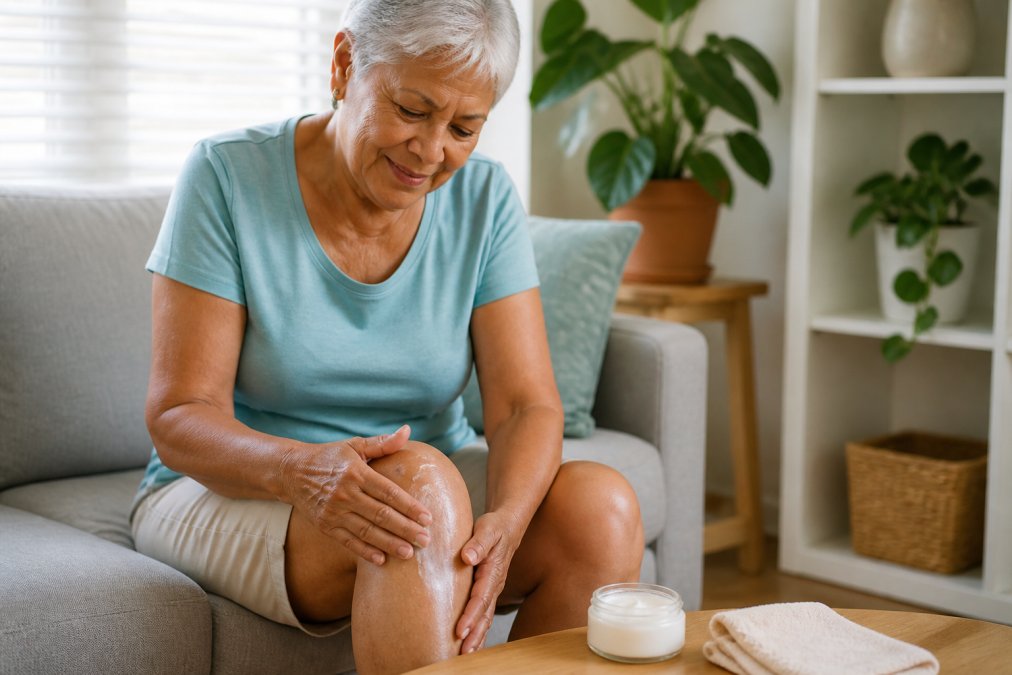
The key advantage of topical solutions is immediate, targeted relief without waiting for a pill to dissolve and enter your bloodstream. For an individual managing multiple areas of discomfort, perhaps both knees and a shoulder, applying cream directly to each spot gives you control over your own comfort.
When selecting pain relief products, consistency matters more than occasional use. A cream applied daily as part of your morning routine becomes part of your wellness routine, not an emergency measure. This regularity helps many individuals maintain mobility that might otherwise decline.
2. Nutritional Support and Hydration Solutions
Nutrition and hydration form the foundation of everything else. An individual who isn't properly nourished will struggle with energy, recovery, and mental clarity, no amount of exercise or pain relief can fully compensate. Yet many individuals face real barriers to good nutrition: difficulty chewing, reduced appetite, limited mobility for grocery shopping, or simply forgetting to drink enough water.
Nutrient-dense supplements bridge these gaps. Sea moss gel is a mineral-rich superfood that provides over 90 naturally occurring minerals and trace elements in a convenient form. Thrive Sea Moss Gel, available at $19.99, can be taken directly from the spoon or mixed into smoothies, juices, soups, or tea. For individuals, this matters because it requires no preparation, no chewing, and delivers serious nutritional density in just one or two tablespoons daily. It supports energy, digestion, immune function, and thyroid wellness, all critical for healthy aging.

Hydration is equally important but often overlooked. Many individuals don't feel thirsty as acutely as younger people do, which means dehydration can sneak up without obvious warning signs. Thrive Wellness Drink provides hydration plus electrolytes and nutrients in a single beverage. At $15.99, it's designed to support energy, metabolism, and digestive wellness while making hydration feel less like a chore and more like a refreshing part of your day.
The practical advantage of these solutions is that they require minimal effort. An individual living alone doesn't need to prepare elaborate meals. They need nutrient-dense options that take seconds to consume and actually taste good enough to use consistently.
3. Assistive Devices for Daily Living
Assistive devices for daily living remove barriers to independence. They're not signs of decline, they're tools that let you stay in your own home longer, maintain your dignity, and keep doing the activities you value.
Common assistive devices include grab bars in bathrooms, reaching aids for items on high shelves, ergonomic kitchen tools with larger grips, shower chairs, and lever-style door handles that require less hand strength than traditional knobs. A reacher tool costs under $20 and eliminates the need to bend or climb to retrieve something from a shelf. A shower chair removes the risk of falling on wet tile while bathing. A long-handled sponge lets you wash your back without contorting your shoulders.
The benefit of these tools is prevention. A fall in an individual's home can mean hospitalization, loss of independence, and months of recovery. A $30 grab bar prevents that outcome. An ergonomic can opener means an individual can prepare their own meals rather than depending on others. These are high-impact investments in autonomy.
When selecting assistive devices, prioritize the areas where you actually struggle. If stairs are difficult, a stair lift or chair lift addresses that specific problem. If gripping is hard, ergonomic tools with larger handles solve it. Don't buy devices "just in case", buy them for the real challenges you face today.
4. Home Safety Tools for Seniors
Home safety tools go beyond assistive devices to include equipment that prevents accidents before they happen. Proper lighting is essential, falls often occur in dimly lit bathrooms or hallways at night. Motion-activated night lights cost $10-15 and eliminate the hazard of stumbling in darkness.
Non-slip bathroom mats prevent slipping on wet tile. Raised toilet seats and grab bars address the specific challenge of using the bathroom safely. A shower caddy keeps bottles and soaps organized and reachable without bending or stretching. A bed rail helps you get in and out of bed safely, which matters more than most people realize, many falls happen during this transition.
For individuals with mobility challenges, a walker or cane isn't a sign of weakness. It's a tool that distributes your weight properly, reduces stress on joints, and prevents falls. Modern walkers are lightweight and fold for transport. Some include seats so you can rest during longer activities.
Home safety also includes medication management. A pill organizer with compartments for each day and time ensures you take the right medication at the right moment. For individuals managing multiple prescriptions, this prevents dangerous mistakes.
The throughline here is simple: remove hazards, add support, and maintain independence. Every safety tool should serve a real need in your specific home environment.
5. Self-Care Activities for Seniors That Build Wellness Routines
Self-care activities for individuals go beyond products, they're the daily practices that build resilience and maintain quality of life. These include low-impact exercise, cognitive stimulation, social connection, stress management, and sleep hygiene.
Low-impact exercise keeps muscles strong, joints mobile, and cardiovascular health intact without the stress of high-impact activities like running. Tai chi, yoga, chair-based exercises, and walking are all excellent options. The key is consistency. An individual who does 20 minutes of gentle yoga three times per week will see better results than someone who occasionally does intense activity. Many communities offer senior fitness classes specifically designed for limited mobility or arthritis.
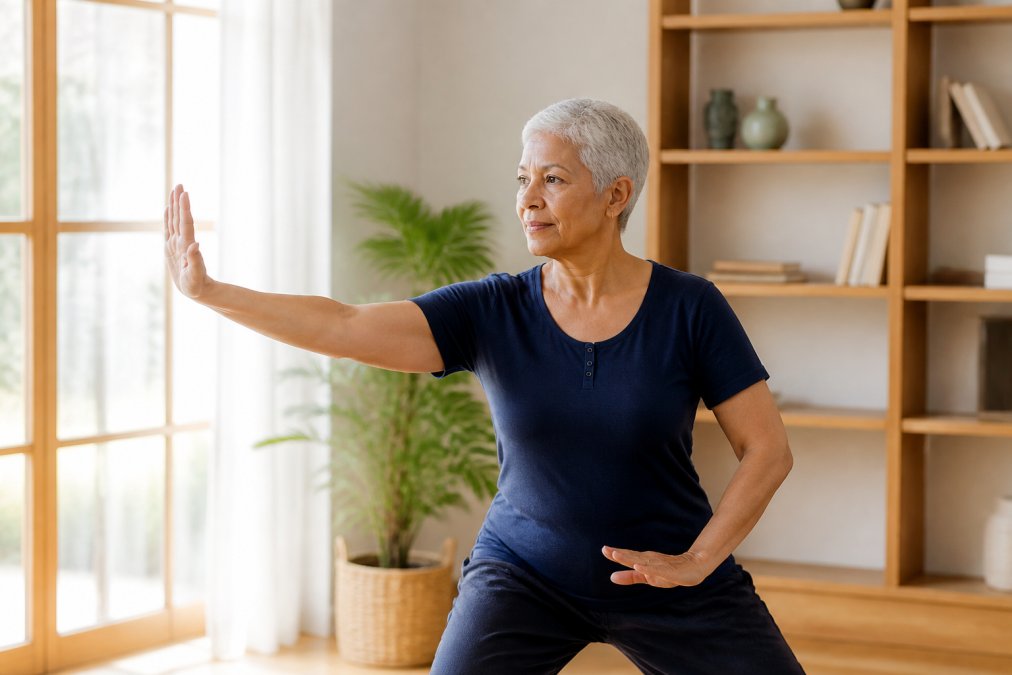
Cognitive stimulation, reading, puzzles, learning new skills, engaging in hobbies, keeps your brain active and has been shown to support long-term mental health. Meditation and mindfulness practices reduce stress and improve sleep quality. Social connection, whether through community groups, family time, or volunteer work, directly impacts emotional health and longevity.
Sleep hygiene matters enormously. A consistent bedtime, a cool dark bedroom, limiting screens before sleep, and avoiding caffeine in the afternoon all support better rest. Quality sleep improves immune function, mood, and cognitive performance.
A wellness routine combines these elements into a sustainable daily practice. A typical routine might look like: morning stretching or yoga, a nutritious breakfast with supplements, a walk or gentle activity, cognitive engagement like reading or puzzles, social interaction, and a consistent bedtime with relaxation techniques.
How to Build Your Personal Self-Care Routine
Building an effective self-care routine requires three steps: assess your current challenges, select tools and activities that address them, and commit to consistency.
Step 1: Identify Your Priorities What causes you the most discomfort or limitation right now? Is it joint pain? Low energy? Difficulty with daily tasks? Mobility concerns? Sleep problems? Write down three specific challenges. Your routine should address these directly rather than attempting to fix everything at once.
Step 2: Choose Your Tools and Activities For each challenge, select one or two solutions. If joint pain is your priority, invest in a quality pain relief product like Nirvana Magic Cream and add low-impact exercise. If energy is the issue, add nutritional support with Thrive Sea Moss Gel and ensure proper hydration with Thrive Wellness Drink. If you're struggling with daily tasks, identify specific assistive devices that remove barriers.

Step 3: Build the Routine Into Your Day Consistency beats perfection. A routine you actually follow is infinitely better than an ideal routine you abandon after two weeks. Anchor your self-care activities to existing habits. Take your supplements with breakfast. Do your stretching right after your morning shower. Take your evening walk at the same time each day. Use pain relief cream as part of your morning or evening routine.
| Self-Care Element | Time Commitment | Frequency | Example Activity |
|---|---|---|---|
| Pain relief application | 2 minutes | Daily (morning/evening) | Apply Nirvana Magic Cream to affected areas |
| Nutritional support | 2 minutes | Daily | Take Thrive Sea Moss Gel with breakfast |
| Hydration | Throughout day | Continuous | Drink Thrive Wellness Drink or water regularly |
| Low-impact exercise | 20-30 minutes | 3-4 times per week | Tai chi, yoga, or gentle walking |
| Cognitive engagement | 30 minutes | Daily | Reading, puzzles, or hobbies |
| Social connection | Variable | 3-4 times per week | Community groups, family calls, volunteer work |
| Sleep routine | 30 minutes | Daily | Consistent bedtime, relaxation techniques |
Track your routine for two weeks. You'll quickly see what works and what doesn't. Adjust as needed. If you forget to take supplements, move them to a more visible location or set a phone reminder. If you skip exercise, try a different activity or time of day. The goal is building habits that stick because they're practical and deliver real results.
Self-care for individuals isn't complicated, but it does require intention. The tools exist, pain relief products that work, nutritional solutions that nourish, assistive devices that maintain independence, and wellness activities that build resilience. What matters is choosing the ones that address your specific situation and committing to consistency.
At Nirvana Wellness Store, we've built our collection around this reality. Products like Nirvana Magic Cream, Thrive Sea Moss Gel, and Thrive Wellness Drink are designed specifically for individuals seeking accessible, effective solutions for daily wellness. They're not expensive or complicated, they're practical tools that integrate seamlessly into a sustainable routine. Start with one or two that address your highest-priority challenges, build them into your daily life, and add more as you see what works. That's how real wellness routines develop: one consistent choice at a time.
Frequently Asked Questions
What are the most essential self-care tools for seniors living independently at home?
Essential self-care tools include pain relief products like Nirvana Magic Cream ($24.99) for joint and muscle discomfort, nutritional supplements such as Thrive Sea Moss Gel ($19.99) for mineral and immune support, mobility aids like grab bars and reaching tools, and hydration solutions like Thrive Wellness Drink ($15.99). These tools address the core needs of maintaining independence, managing daily discomfort, and supporting overall wellness without requiring frequent medical visits.
How do assistive devices for daily living help seniors maintain independence?
Assistive devices remove barriers to daily tasks by reducing physical strain and fall risk. Items like sock aids, button hooks, long-handled sponges, and shower chairs allow seniors to bathe, dress, and groom themselves without assistance. Grab bars in bathrooms and handrails on stairs prevent falls. Reaching tools help access items on high shelves. Together, these devices preserve dignity, reduce caregiver burden, and let seniors complete personal care routines safely and confidently at home.
How quickly do natural pain relief products like Nirvana Magic Cream work for arthritis discomfort?
Natural pain relief creams like Nirvana Magic Cream provide a cooling, comforting sensation upon application and are designed for fast-acting support. Results vary by individual and severity of discomfort. For best results, apply to affected areas (knees, shoulders, back, hips) as needed throughout the day. Consistent use as part of a daily wellness routine, combined with gentle movement and hydration, tends to support better outcomes than occasional use. Always follow product instructions.
What self-care activities help seniors maintain cognitive stimulation and mental well-being?
Cognitive stimulation activities include reading, puzzles, learning new skills, creative hobbies like painting or writing, and social engagement through community groups or family time. Mental well-being is supported by mindfulness and meditation practices, journaling, listening to music, and spending time in nature. Regular social connection, even through phone calls or video chats, reduces isolation and supports emotional health. Combining these activities with physical movement and proper nutrition creates a holistic wellness routine that addresses both body and mind.
This article was written using GrandRanker