


Table of Contents
- What Are Natural Alternatives to Muscle Relaxers?
- Magnesium for Muscle Tension: How It Works
- Herbs for Muscle Spasms and Recovery
- How to Relieve Muscle Soreness After Lifting
- Topical Pain Relief Creams for Fast-Acting Comfort
- Physical Therapies and Stretching Techniques
- Diet and Nutrition: Supporting Muscle Recovery Naturally
- When to See a Doctor and Safety Considerations
Last Updated: August 25, 2026
What Are Natural Alternatives to Muscle Relaxers?
Prescription muscle relaxers dampen neurotransmission in the central nervous system, often causing drowsiness, dependency risks, and significant side effects. Natural alternatives address muscle tension, spasms, and inflammation through different pathways: magnesium and electrolyte balance, herbal compounds with antispasmodic properties, targeted physical interventions, and nutritional support for muscle recovery.
A prescription muscle relaxer is a blunt instrument; a natural approach is layered. You're building a system that addresses muscle tension from multiple angles at once. At Nirvana Wellness Store, we offer a curated selection of wellness products designed to support your journey toward balance and vitality. The most effective relief often comes from combining approaches rather than betting on a single solution.
This guide covers seven proven natural alternatives to muscle relaxers, how each one works, when to use them, and how to stack them for better results. We'll also address safety questions: drug-herb interactions, when you need to see a doctor, and how to know if what you're doing is actually working.
Magnesium for Muscle Tension: How It Works
Magnesium is the mineral your muscles need to relax. It regulates neuromuscular signaling and supports the electrolyte balance that allows muscle fibers to contract and release properly. Without adequate magnesium, muscles stay in partial contraction, tight, fatigued, and prone to spasms.
The mechanism is straightforward: magnesium blocks calcium from entering muscle cells during relaxation. Calcium drives contraction; magnesium allows release. When magnesium levels drop, calcium accumulates, and muscles stay contracted, creating perpetual tightness.
Most adults don't get enough magnesium from food alone. Modern soil depletion and processing reduce bioavailability. A practical starting point is 300-400 mg daily, taken with food. Magnesium glycinate is the most absorbable form and least likely to cause digestive upset. Magnesium threonate crosses the blood-brain barrier and may help with tension-related sleep disruption. Magnesium malate supports muscle energy production and is often recommended for post-workout recovery.
Magnesium works best when taken with meals and ideally split across two doses. Some people feel relaxation effects within hours; others need weeks of consistent intake. Individual absorption varies based on digestive health, concurrent medications, and baseline magnesium status.
Herbs for Muscle Spasms and Recovery
Valerian Root and Passionflower
Valerian root has been used for muscle tension and spasticity for centuries (peer-reviewed research). It increases GABA availability in the nervous system, reducing neuronal firing and muscle tension more gently than pharmaceutical muscle relaxers.
Passionflower works through a similar pathway, enhancing GABA signaling while reducing anxiety-related muscle tension. The two herbs complement each other: valerian targets the muscle directly, while passionflower addresses the nervous system component.
Dosage typically ranges from 300-600 mg of valerian root extract daily, divided into 2-3 doses. Passionflower is usually 250-500 mg daily. Both work better with consistent use over weeks rather than as needed. Valerian has a distinctive smell and can cause drowsiness in sensitive individuals. Start with a lower dose in the evening to assess tolerance.
Chamomile and Lavender
Chamomile contains compounds that reduce muscle tension and inflammation, particularly useful for people whose tightness is connected to digestive stress or anxiety. Lavender modulates neurotransmitter activity and has mild analgesic properties.
Neither herb is sedating at normal doses, making them useful for daytime muscle tension management. Chamomile can be taken as tea (steep for 5-10 minutes) or as concentrated extract. Lavender is available as essential oil, dried flowers, or extract. Both are gentle enough for daily use without concern for dependency or organ stress.
Lavender is most effective for anxiety-related muscle tension; chamomile is most effective for inflammation-related soreness. Using them together often produces better results than either alone.
How to Relieve Muscle Soreness After Lifting
Post-workout soreness (DOMS) peaks 24-72 hours after exercise from microscopic muscle fiber damage and inflammatory response (peer-reviewed research). This differs from acute strain or chronic tension and requires a different approach.
Address inflammation early and support muscle recovery simultaneously. Tart cherry juice, consumed within a few hours of exercise, reduces inflammation markers and accelerates recovery. The typical dose is 8-12 ounces of unsweetened juice or equivalent in concentrate. Omega-3 fatty acids support the anti-inflammatory response; Nirvana Omega-3 Capsules deliver 720 mg of total omega-3 per softgel, including both EPA and DHA, the active compounds that reduce exercise-induced inflammation.

Protein intake matters significantly. Muscle repair requires amino acids, and consuming 20-30 grams of protein within 2 hours of exercise accelerates recovery and reduces soreness.
For acute soreness relief, contrast therapy (alternating hot and cold) is effective. A 3-minute hot shower followed by 30-60 seconds of cold water triggers vasodilation and vasoconstriction cycles that reduce inflammation and enhance circulation. Do this within 4-6 hours of exercise for maximum benefit.
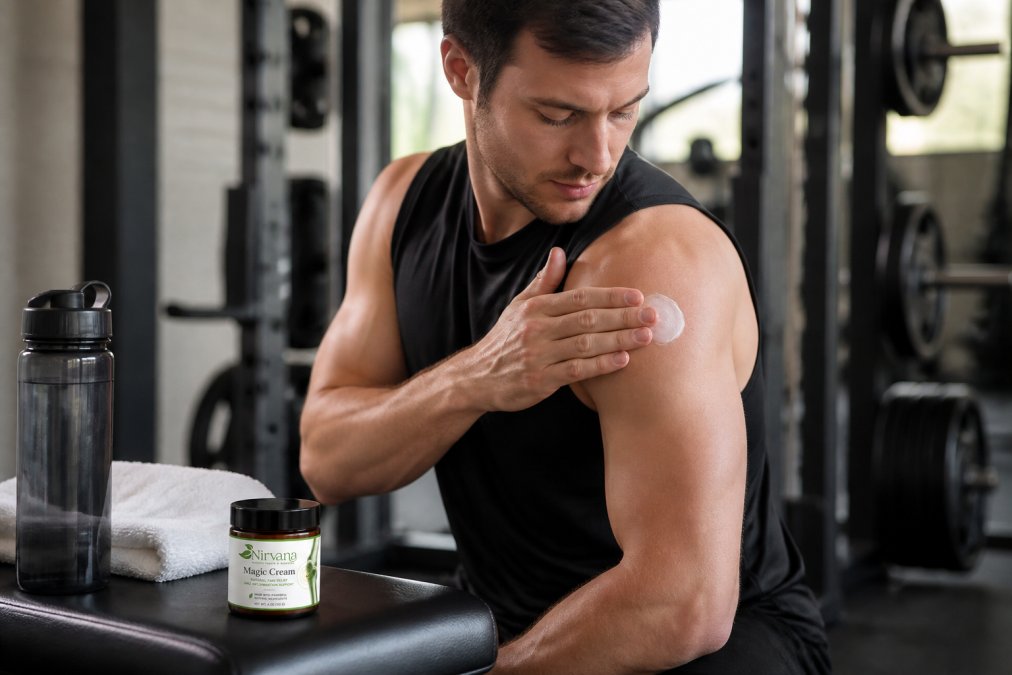
Topical application provides faster, localized relief. Nirvana Magic Cream delivers cooling comfort directly to sore muscles with a non-greasy formula that absorbs quickly. Apply 2-3 times daily or as needed. Combining topical relief with oral anti-inflammatory support (magnesium, omega-3, tart cherry) produces noticeably better results than either approach alone.
Topical Pain Relief Creams for Fast-Acting Comfort
Topical creams deliver active compounds directly to affected tissues, bypassing the digestive system and producing localized effects without systemic absorption. This matters for people with sensitive stomachs, those on multiple medications, or anyone needing fast relief.
The most effective topical formulas combine multiple active ingredients. Menthol creates a cooling sensation that triggers the nervous system to downregulate pain signals. Capsaicin (from chili peppers) desensitizes pain receptors over repeated applications. Arnica supports circulation and reduces inflammation. Turmeric (curcumin) is a potent anti-inflammatory compound that penetrates skin effectively in cream formulations.
Nirvana Magic Cream combines herbal extracts designed to address muscle tension and joint discomfort. The formula absorbs quickly without leaving a greasy residue, allowing immediate movement. For arthritis-related stiffness, joint pain, or post-workout soreness, apply a small amount directly to the affected area and massage gently for 1-2 minutes. Most people notice relief within 10-15 minutes. Reapply 2-3 times daily as needed.

Topical application offers speed and precision, delivering relief exactly where needed. The limitation is that topical creams work best for localized tension; they're less effective for systemic muscle tension affecting multiple areas.
Physical Therapies and Stretching Techniques
Muscle tension not addressed through movement tends to worsen over time. The nervous system learns the tight pattern and reinforces it. Physical interventions, stretching, myofascial release, and targeted exercises, are essential components of any muscle tension management strategy.
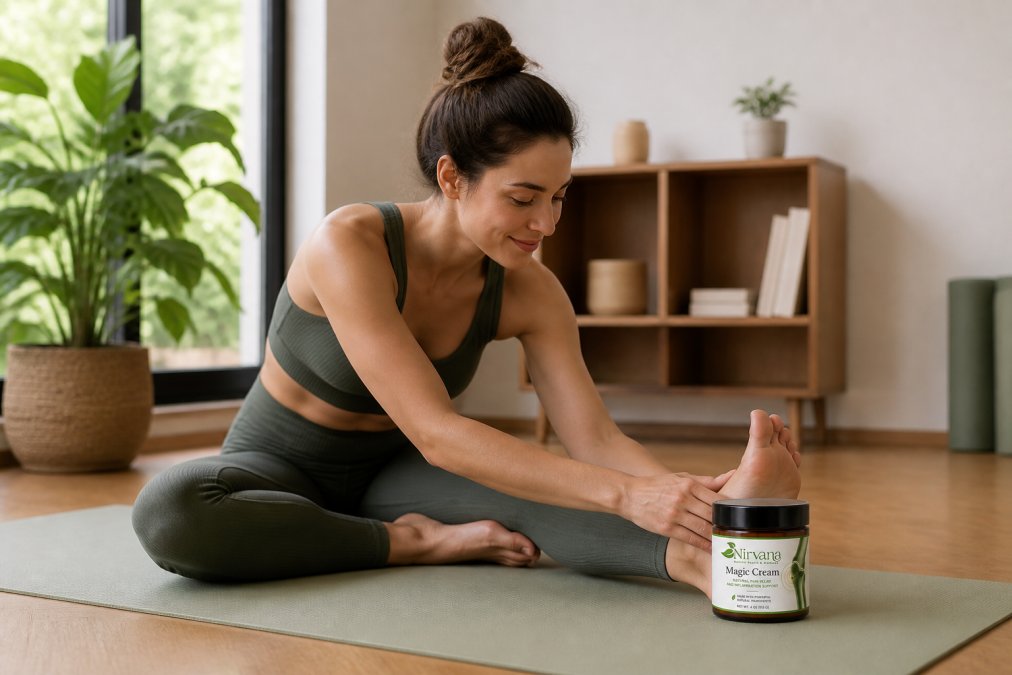
Static stretching (holding for 30-60 seconds) is most effective after exercise or in the evening when muscles are warm. The most effective stretches for general muscle tension are: hamstring stretches (forward fold), hip flexor stretches (low lunge), chest stretches (doorway stretch), and neck stretches (gentle lateral flexion). Hold each stretch for 45-60 seconds, breathing deeply. Repeat 2-3 times per muscle group.
Myofascial release uses tools or hands to apply sustained pressure to tight muscle tissue, releasing adhesions and restoring normal tissue mobility. A foam roller is the most accessible tool; rolling slowly over tight muscles for 30-90 seconds triggers the nervous system to relax the tissue. This should feel like mild discomfort (4-5 out of 10 intensity), not pain.
Active release techniques involve moving the muscle while applying pressure, which is more effective than static stretching for certain types of tension. Physical therapists and trained massage therapists can guide you through these techniques.
Diet and Nutrition: Supporting Muscle Recovery Naturally
Muscle tension and soreness are partly nutritional problems. The body needs specific micronutrients and macronutrients to repair muscle fibers, regulate neurotransmission, and manage inflammation.
Protein is foundational. Muscle repair requires amino acids, and most adults need 1.2-1.6 grams per kilogram of body weight daily, especially if exercising regularly. Whole foods provide amino acids plus cofactors that supplements don't.
Magnesium is critical for muscle relaxation. Calcium, potassium, and sodium are equally important for neuromuscular function. Zinc supports protein synthesis and immune recovery after exercise. Iron is necessary for oxygen transport to muscle tissue. These nutrients are present in whole foods if you're eating a varied diet.
Anti-inflammatory foods reduce baseline inflammation that makes muscles tight. Fatty fish (salmon, mackerel, sardines) provide EPA and DHA, the omega-3 fatty acids that actively reduce inflammation. Turmeric, ginger, and other spices contain polyphenols with anti-inflammatory properties. Berries, leafy greens, and colorful vegetables provide antioxidants that support recovery.
Hydration is critical. Dehydration impairs muscle function and increases soreness. Most people need 2.7-3.7 liters of water daily, more if exercising or in hot environments (the NIH). Electrolyte balance (sodium, potassium, magnesium) matters as much as total water intake.
Nirvana Vitamin K2 + D3 supports bone health and calcium metabolism, which indirectly supports muscle function. Vitamin D deficiency correlates with muscle weakness and pain. Vitamin K2 directs calcium to bones rather than soft tissue, supporting proper mineralization. For adults over 40, especially those managing chronic joint discomfort or arthritis, this combination addresses a nutritional gap that often goes undiagnosed.

When to See a Doctor and Safety Considerations
Natural alternatives to muscle relaxers are effective for many types of tension and soreness, but they're not appropriate for all situations.
See a doctor immediately if you experience: sudden severe muscle weakness, loss of sensation, inability to move a limb, severe pain that doesn't improve with rest, or muscle spasms accompanied by fever or other systemic symptoms. These can indicate nerve compression, serious injury, or infection.
See a doctor for evaluation if muscle pain or tension persists longer than 2-3 weeks despite consistent self-care, worsens progressively, or interferes with sleep or daily function. Chronic muscle tension can indicate underlying conditions requiring professional assessment.
Drug-herb interactions are a real concern. Valerian and passionflower can potentiate sedative medications and alcohol. Magnesium can reduce absorption of certain antibiotics and bisphosphonates. Omega-3 supplements can increase bleeding risk if combined with anticoagulants like warfarin. If you're on any prescription medication, discuss herbal supplements and high-dose nutrients with your doctor or pharmacist before starting.
Pregnancy and nursing change the safety profile of many herbs and supplements. Valerian and passionflower are generally considered safe in pregnancy, but magnesium supplementation should be discussed with your OB.
Quality matters. Supplements are not FDA-regulated with the same rigor as medications. Look for third-party testing (NSF, USP, ConsumerLab certification). Nirvana Wellness Store offers a curated selection of wellness products designed to provide high-quality solutions for your daily self-care routine.
The timeline for results varies. Magnesium and dietary changes take weeks to produce noticeable effects. Topical creams work within minutes to hours. Herbal supplements typically require 2-4 weeks of consistent use. If you're not seeing improvement after 4-6 weeks, reassess whether the approach is right for your situation or if the underlying issue requires professional evaluation.
Chronic muscle tension and post-workout soreness don't require prescription medication. Magnesium, targeted herbs, topical relief, physical therapy, and nutritional support address the root causes of muscle tension while avoiding the drowsiness and dependency risks of pharmaceutical muscle relaxers. The most effective approach combines multiple strategies: oral support for systemic tension, topical relief for localized discomfort, and movement practices to prevent tension from locking in.
Start with the foundation: adequate magnesium, consistent stretching, and anti-inflammatory nutrition. Add herbal support if tension persists. Use topical relief for fast-acting comfort when needed. Nirvana Magic Cream provides the topical support that works alongside your other interventions, delivering natural pain relief exactly where you need it. Continue shopping at Nirvana Wellness Store to build a complete natural muscle recovery system that works for your body and your life.
=== FAQ ANSWERS (audit these too, same rules) ===
[1] Q: What is the strongest natural alternative to muscle relaxers? A: Magnesium supplementation combined with herbal remedies like valerian root shows strong evidence for muscle tension relief. Topical creams containing natural ingredients provide fast-acting comfort for localized muscle soreness. The effectiveness varies by individual and condition severity. For acute muscle spasms, combining magnesium intake with physical therapy and topical application typically produces the most noticeable results. Always consult a healthcare provider to determine the best option for your specific situation.
[2] Q: How quickly do natural muscle relaxers work compared to prescription medications? A: Natural alternatives typically take 30 minutes to 2 hours for noticeable effects, depending on the method. Topical creams provide the fastest relief, working within 15-30 minutes. Oral supplements like magnesium and herbal extracts require 45 minutes to 2 hours. Prescription muscle relaxers often work faster (20-30 minutes) but come with higher risks of drowsiness and dependency. For chronic muscle tension, natural options work best when used consistently over days or weeks rather than as immediate relief.
[3] Q: Are natural muscle relaxers safe to use with other medications? A: Many natural alternatives are generally safe, but interactions are possible. Magnesium can interact with certain antibiotics and bisphosphonate medications. Herbal remedies like valerian root may interact with sedatives or antidepressants. Omega-3 supplements can increase bleeding risk with anticoagulants. Before starting any natural alternative, inform your healthcare provider about all medications and supplements you take. This is especially important if you take prescription muscle relaxers, blood thinners, or have kidney or liver conditions.
[4] Q: Can I use magnesium for muscle tension alongside other supplements? A: Yes, magnesium pairs well with many supplements. Combining magnesium with omega-3 fatty acids supports overall muscle and joint health. Vitamin D3 and K2 enhance calcium absorption, which works synergistically with magnesium for muscle function. Herbal remedies like valerian root complement magnesium's relaxation effects. However, avoid excessive mineral supplementation without professional guidance, as high doses of multiple minerals can cause imbalances. Start with recommended dosages and monitor how your body responds before adding additional supplements.
Frequently Asked Questions
What is the strongest natural alternative to muscle relaxers?
Magnesium supplementation combined with herbal remedies like valerian root shows strong evidence for muscle tension relief. Topical creams containing natural ingredients provide fast-acting comfort for localized muscle soreness. The effectiveness varies by individual and condition severity. For acute muscle spasms, combining magnesium intake with physical therapy and topical application typically produces the most noticeable results. Always consult a healthcare provider to determine the best option for your specific situation.
How quickly do natural muscle relaxers work compared to prescription medications?
Natural alternatives typically take 30 minutes to 2 hours for noticeable effects, depending on the method. Topical creams provide the fastest relief, working within 15-30 minutes. Oral supplements like magnesium and herbal extracts require 45 minutes to 2 hours. Prescription muscle relaxers often work faster (20-30 minutes) but come with higher risks of drowsiness and dependency. For chronic muscle tension, natural options work best when used consistently over days or weeks rather than as immediate relief.
Are natural muscle relaxers safe to use with other medications?
Many natural alternatives are generally safe, but interactions are possible. Magnesium can interact with certain antibiotics and bisphosphonate medications. Herbal remedies like valerian root may interact with sedatives or antidepressants. Omega-3 supplements can increase bleeding risk with anticoagulants. Before starting any natural alternative, inform your healthcare provider about all medications and supplements you take. This is especially important if you take prescription muscle relaxers, blood thinners, or have kidney or liver conditions.
Can I use magnesium for muscle tension alongside other supplements?
Yes, magnesium pairs well with many supplements. Combining magnesium with omega-3 fatty acids supports overall muscle and joint health. Vitamin D3 and K2 enhance calcium absorption, which works synergistically with magnesium for muscle function. Herbal remedies like valerian root complement magnesium's relaxation effects. However, avoid excessive mineral supplementation without professional guidance, as high doses of multiple minerals can cause imbalances. Start with recommended dosages and monitor how your body responds before adding additional supplements.
This article was written using GrandRanker