


Table of Contents
- Understanding Delayed Onset Muscle Soreness (DOMS)
- How to Relieve Muscle Soreness: Active Recovery and Movement
- Foam Rolling and Myofascial Release for Muscle Soreness
- Heat and Cold Therapy for Post-Workout Recovery
- Supplements and Nutrition to Relieve Muscle Soreness
- How to Prevent Muscle Soreness After Lifting
- Age-Specific and Individual Recovery Considerations
- Natural Pain Relief Solutions for Sore Muscles
How to Relieve Muscle Soreness After Lifting
Last Updated: August 1, 2026
Research from the American College of Sports Medicine shows that delayed onset muscle soreness affects nearly 75% of individuals new to strength training or who significantly increase workout intensity. Understanding how to relieve muscle soreness after lifting is essential for maintaining consistent training and accelerating recovery. The soreness you feel 24-48 hours after lifting isn't a sign of weakness, it's a normal adaptation response. The strategies covered in this guide have helped athletes return to training faster, reduce pain, and build stronger recovery routines.
Understanding Delayed Onset Muscle Soreness (DOMS)
Delayed onset muscle soreness, commonly called DOMS, is the muscle tenderness and stiffness that typically appears 24-72 hours after intense exercise, particularly strength training or eccentric movements. DOMS occurs when muscle fibers experience micro-tears during unfamiliar or intense workouts, triggering an inflammatory response as your body repairs and adapts the tissue.
The inflammation that accompanies DOMS is part of the healing process. Your body floods the damaged area with blood flow and immune cells to initiate muscle repair and protein synthesis. This adaptation is what makes you stronger over time.
Why DOMS Happens After Lifting
When you lift weights, especially with heavy loads or new movement patterns, your muscle fibers experience microscopic damage. This damage is intentional, it's the stimulus that triggers adaptation. Your body responds by increasing inflammation, which brings nutrient-rich blood to the area and activates satellite cells responsible for muscle growth.
The soreness peaks around 24-48 hours post-workout because that's when inflammation reaches its maximum. Progressive overload, gradually increasing weight, volume, or intensity, causes more pronounced DOMS because your muscles haven't adapted to the new demand yet. New lifters experience more severe soreness because their muscles lack the conditioning to handle the stimulus.
How Long DOMS Lasts
Most people experience DOMS for 3-5 days after an intense workout, with peak soreness typically occurring 24-48 hours post-exercise. Duration varies based on training experience, workout intensity, exercise type, and individual recovery capacity. For experienced lifters using moderate loads, soreness might last only 1-2 days. The good news is that soreness doesn't prevent training, light activity during the soreness window actually accelerates recovery by promoting blood flow and tissue repair.
How to Relieve Muscle Soreness: Active Recovery and Movement
The most effective way to relieve muscle soreness after lifting is counterintuitive: light movement. Complete rest actually slows recovery because it reduces circulation to the damaged tissue. Active recovery, low-intensity activity that promotes blood flow without adding significant mechanical stress, accelerates the clearance of inflammatory markers and metabolic waste.
Light Activity and Circulation
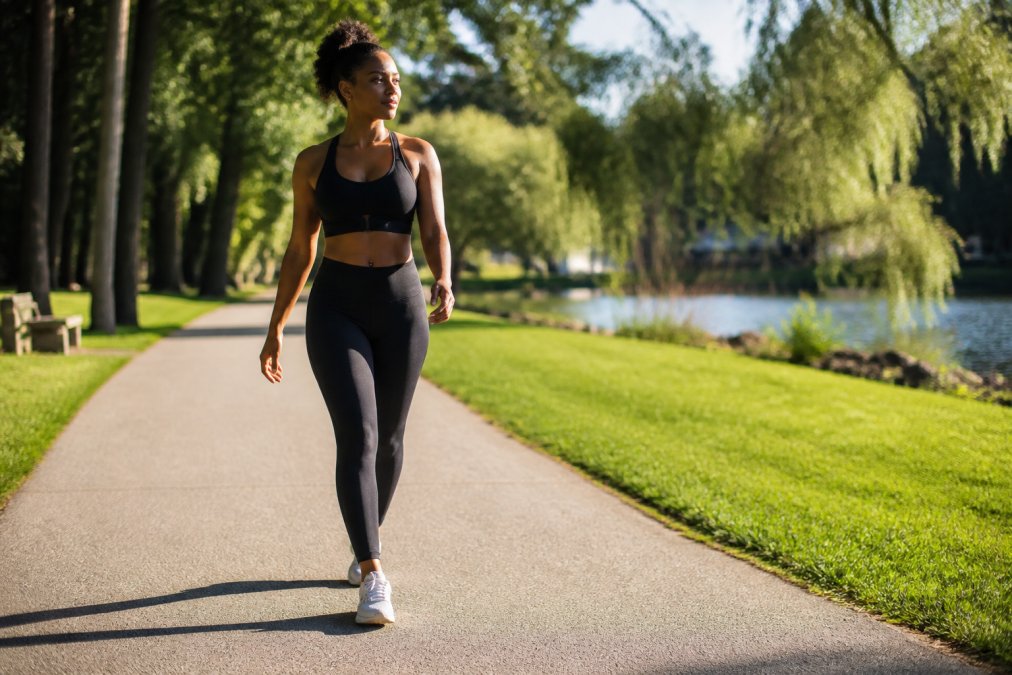
Walking is one of the simplest and most effective active recovery methods. A 15-30 minute walk at a comfortable pace the day after a heavy leg workout promotes blood flow to your quads, hamstrings, and glutes without adding eccentric stress. Swimming, water aerobics, and low-intensity cycling at 50-60% of your maximum heart rate also work well. Gentle yoga or tai chi sessions lasting 20-30 minutes improve flexibility, reduce stiffness, and promote blood flow throughout your body.
Stretching and Range of Motion
Static stretching (holding a stretch for 30 seconds or longer) after soreness has developed helps restore range of motion and reduces the sensation of stiffness. Focus on the muscle groups that are sore. Hold each stretch for 30-45 seconds without bouncing, staying in a mild tension zone where you feel the stretch but no sharp discomfort.
Dynamic stretching, controlled movements through your full range of motion, also helps. Leg swings, arm circles, and torso rotations performed slowly and deliberately improve mobility and promote blood flow. Perform 10-15 repetitions of each movement.
Foam Rolling and Myofascial Release for Muscle Soreness
Foam rolling is a self-myofascial release technique that applies sustained pressure to muscle tissue, breaking up adhesions and promoting blood flow. When used correctly during the recovery phase, foam rolling reduces muscle stiffness and accelerates the clearance of metabolic waste. Research shows that foam rolling reduces muscle soreness and improves range of motion when applied 24+ hours after exercise.
Proper Foam Rolling Technique
Position your body so the sore muscle group rests on the foam roller. Start at the top of the muscle (closest to your heart) and slowly roll toward the bottom at a speed of about one inch per second. Pause on any tender areas for 10-15 seconds, allowing the pressure to gradually reduce tension.
The pressure should feel intense but not painful, a 6-7 out of 10 on a pain scale. If you experience sharp or shooting pain, stop immediately. Never foam roll directly over bones or joints. Keep sessions to 1-2 minutes per muscle group.
Percussion Massage and Blood Flow
Percussion massage devices deliver rapid, rhythmic impacts to muscle tissue, creating similar benefits to foam rolling but with less manual effort. Use percussion massage for 30-60 seconds per muscle group, moving slowly across the sore area. The vibration stimulates mechanoreceptors in your muscles, triggering a relaxation response and reducing tension. Apply percussion massage 24+ hours after your workout when initial inflammation has peaked.
Heat and Cold Therapy for Post-Workout Recovery
Temperature-based therapies serve different purposes in recovery. Cold reduces blood flow and inflammation, while heat increases circulation and promotes tissue extensibility. The timing of when you apply each determines your results.
When to Use Cold Therapy and Cryotherapy
Cold therapy is most effective immediately after a workout (within the first 15-20 minutes) or when inflammation is acute and causing significant swelling. Use ice for 10-15 minutes per session, with at least 2 hours between applications. Never apply ice directly to skin; wrap it in a towel to prevent ice burn. Cold baths (55-60°F) for 10-15 minutes are effective for large muscle groups.
However, applying cold therapy 24+ hours after exercise when soreness has developed is counterproductive. At that point, inflammation is already peaking and beginning to resolve naturally.
When to Use Heat Therapy and Vasodilation
Heat therapy becomes valuable 24-48 hours after exercise when inflammation has peaked and soreness is at its worst. Applying heat increases vasodilation, promoting blood flow that accelerates metabolic waste clearance and tissue repair. Use a heating pad, warm bath, or sauna for 15-20 minutes. A warm bath at 104-108°F for 15 minutes promotes relaxation, reduces muscle tension, and improves sleep quality. Many athletes find that alternating between heat and cold (contrast therapy) provides superior results: 3 minutes of heat followed by 1 minute of cold, repeated 3-4 times.
Supplements and Nutrition to Relieve Muscle Soreness
Your nutrition directly impacts how quickly your body repairs muscle damage and reduces soreness. Protein synthesis, the process that builds new muscle tissue and repairs damage, depends on adequate protein intake and specific amino acids.
Protein and Muscle Repair
Consuming 20-40 grams of protein within 2 hours post-workout provides amino acids that your body uses to repair muscle damage and build new tissue. Prioritize complete proteins containing all nine essential amino acids: chicken, fish, eggs, Greek yogurt, cottage cheese, and legumes. A post-workout meal combining protein with carbohydrates optimizes recovery, the carbohydrates replenish glycogen stores and trigger insulin release, which facilitates amino acid uptake into muscle cells.
Throughout the day, aim for 1.6-2.2 grams of protein per kilogram of body weight. For a 150-pound person (68 kg), this equals 109-150 grams daily.
Anti-Inflammatory Supplements and Electrolytes
Omega-3 fatty acids (found in fish oil or flaxseed) reduce inflammatory markers and promote tissue repair. A daily dose of 2-3 grams of EPA/DHA supports recovery without interfering with the beneficial adaptation response.
Electrolytes, sodium, potassium, magnesium, and calcium, regulate muscle contraction and fluid balance. Heavy sweating depletes electrolytes, which impairs muscle function and recovery. Replenish electrolytes through food (bananas, coconut water, leafy greens) or electrolyte supplements.
Magnesium, in particular, supports muscle relaxation and reduces soreness perception. A 200-400 mg supplement before bed improves sleep quality and muscle recovery.
How to Prevent Muscle Soreness After Lifting
While some soreness is inevitable when challenging your muscles, excessive soreness that impairs daily function is avoidable. Strategic programming, proper warm-up, and progressive loading dramatically reduce soreness severity while maintaining the stimulus for growth.
Progressive Overload and Warm-Up Protocols
Progressive overload, gradually increasing weight, volume, or intensity, allows your body to adapt to stress incrementally. Jumping from a comfortable weight to a much heavier load creates excessive micro-damage and severe soreness. Instead, increase weight by 5-10% weekly or add 1-2 additional sets to your existing routine.
A proper warm-up prepares your muscles, joints, and nervous system for the work ahead. Spend 5-10 minutes performing light cardio (walking, cycling, rowing) followed by dynamic stretching and movement-specific activation. A thorough warm-up increases core body temperature, improves joint lubrication, and primes your nervous system, reducing soreness and injury risk.
Cool-Down and Sleep Hygiene
A 5-10 minute cool-down after training, light walking or gentle stretching, facilitates the transition from sympathetic (fight-or-flight) to parasympathetic (rest-and-digest) nervous system activation. This shift is essential for recovery because your parasympathetic system activates the processes that repair tissue and reduce inflammation.
Sleep is when most muscle repair occurs. Aim for 7-9 hours nightly, with consistent sleep and wake times. Optimize sleep hygiene by keeping your bedroom cool (65-68°F), dark, and quiet. Avoid screens for 30-60 minutes before bed because blue light suppresses melatonin.
Age-Specific and Individual Recovery Considerations
Recovery capacity changes with age and varies significantly between individuals. Adults 40 and over experience different recovery timelines and may benefit from modified recovery strategies.
Recovery for Adults 40 and Over
Adults in this age group typically experience more pronounced soreness and longer recovery windows because muscle protein synthesis becomes less efficient with age. However, targeted strategies can substantially improve recovery.
Prioritize protein intake even more strictly, aim for the higher end of the 1.6-2.2 g/kg range. Include more frequent active recovery sessions. Where a younger athlete might recover adequately with one light activity day between intense sessions, a 50-year-old benefits from 2-3 active recovery days weekly.
Joint health becomes increasingly important. Ensure adequate omega-3 intake, consider glucosamine or collagen supplements, and prioritize thorough warm-ups. Mobility work should increase as you age to maintain range of motion and reduce soreness from stiffness.
Tracking Recovery Progress and Pain Management
Monitoring your recovery helps you adjust strategies based on what actually works for your body. Keep a simple log noting workout intensity, soreness severity (1-10 scale), sleep quality, and recovery strategies used. Over weeks, patterns emerge showing which approaches most effectively reduce your soreness.
Pain management should emphasize active strategies (movement, stretching, heat) over passive ones (rest, ice) during the 24-72 hour soreness window. If soreness is severe enough to limit daily function, Nirvana Magic Cream provides fast-acting, natural pain relief. At $24.99, it delivers targeted relief without the side effects of oral pain medications, making it an accessible option for athletes managing post-workout soreness alongside your recovery routine.

Natural Pain Relief Solutions for Sore Muscles
Beyond movement and temperature therapy, natural pain relief options support your recovery without requiring pharmaceutical intervention. Topical natural pain relief creams containing ingredients like arnica, turmeric, and menthol reduce pain perception through counter-irritation and anti-inflammatory effects. These work best when applied within the first 48 hours after soreness develops.
Turmeric (curcumin) is a potent anti-inflammatory compound. A 500-1000 mg daily supplement reduces systemic inflammation and may decrease soreness severity when taken consistently. Tart cherry juice contains anthocyanins, compounds with anti-inflammatory and antioxidant properties. A 8-12 oz serving daily, particularly immediately post-workout, supports recovery.
Magnesium glycinate (200-400 mg before bed) reduces muscle tension, improves sleep quality, and supports the recovery process. Unlike magnesium oxide, glycinate is highly absorbable and doesn't cause digestive upset.
Managing muscle soreness after lifting doesn't require expensive supplements or complex recovery protocols. Combining active recovery, proper nutrition, strategic temperature therapy, and consistent sleep creates a recovery system that minimizes soreness while supporting continued progress. For athletes seeking targeted relief, Nirvana Magic Cream offers fast-acting, natural pain management that complements your recovery routine. Start with the fundamentals, movement, protein, and sleep, then add targeted interventions based on what your body responds to best.
Frequently Asked Questions
What is the fastest way to relieve muscle soreness after lifting?
The fastest approach combines multiple methods: light active recovery to increase blood flow, foam rolling to reduce muscle tension, hydration to support tissue repair, and adequate protein intake for muscle repair. Cold therapy immediately after lifting can reduce inflammation, while heat therapy 24-48 hours later aids vasodilation and circulation. Sleep and proper electrolyte balance accelerate recovery. Results vary by individual, but most people notice improvement within 24-72 hours using this combined protocol.
How long does delayed onset muscle soreness (DOMS) typically last?
DOMS usually peaks between 24-72 hours after lifting and resolves within 5-7 days for most people. The duration depends on exercise intensity, your fitness level, and how well you manage recovery. Beginners or those doing new exercises may experience longer soreness. Active recovery techniques, proper hydration, and anti-inflammatory strategies can shorten this timeline. Consistent training reduces DOMS severity over time as your muscles adapt to eccentric exercise.
Should I still work out if my muscles are sore from lifting?
Light activity is actually beneficial for DOMS, complete rest can prolong soreness. Light movement increases blood flow and aids tissue repair without further damaging muscle fibers. However, avoid intense training of the same muscle groups until soreness subsides. Focus on different muscle groups, low-impact cardio, or gentle stretching. If pain is severe or accompanied by swelling, rest that area. This balance between active recovery and adequate rest optimizes muscle repair and reduces stiffness.
Do foam rolling and myofascial release actually reduce muscle soreness?
Yes, foam rolling and myofascial release can effectively reduce soreness by improving blood circulation, reducing muscle tension, and promoting tissue repair. These techniques break up metabolic waste accumulation and enhance range of motion. Percussion massage offers similar benefits through increased blood flow and vasodilation. For best results, use foam rolling 24-48 hours after lifting for 60-90 seconds per muscle group. Combined with stretching and active recovery, myofascial release significantly alleviates stiffness and tenderness associated with DOMS.
This article was written using GrandRanker