


Table of Contents
- What Is Magnesium Glycinate and How Does It Work?
- Health Benefits of Magnesium Glycinate for Relaxation
- Best Time of Day to Take Magnesium Glycinate
- Magnesium Glycinate Dosage for Anxiety
- Magnesium Glycinate vs Magnesium Citrate: Which Is Better?
- Safety, Side Effects, and Quality Considerations
- Is Magnesium Glycinate Worth the Investment?
- Conclusion
Last Updated: August 23, 2026
What Is Magnesium Glycinate and How Does It Work?
Magnesium glycinate is a chelated form of magnesium bound to the amino acid glycine, designed to enhance absorption and minimize gastrointestinal side effects. The glycine component adds its own calming properties, it's a neurotransmitter that promotes relaxation by reducing neural excitability. When you take magnesium glycinate, you're getting two complementary compounds: magnesium supports muscle relaxation and nervous system regulation, while glycine enhances the calming effect at the neurological level.
Magnesium works by regulating neurotransmitter function and supporting the parasympathetic nervous system, your body's "rest and digest" response. It also regulates muscle contraction and relaxation, which is why deficiency often manifests as muscle tension or cramps. The bioavailability of magnesium glycinate is notably higher than oxide or citrate forms, meaning your body absorbs and utilizes more of what you consume (peer-reviewed research). The chelated structure reduces the laxative effect common with other magnesium supplements, making it gentler on the digestive system.
Health Benefits of Magnesium Glycinate for Relaxation
Magnesium glycinate offers several interconnected benefits for relaxation, all rooted in how the mineral influences your nervous system and muscle function.

Nervous System Regulation and Stress Response
Your nervous system relies on magnesium to maintain balance between activation and calm. When magnesium status is adequate, your body manages the stress response more effectively. The mineral acts as a natural regulator of cortisol production and helps prevent the nervous system from staying in a heightened state.
Many people find that consistent magnesium glycinate supplementation reduces their baseline anxiety. This isn't sedation, it's regulation. The glycine component amplifies this effect by binding to glycine receptors in the brain, which directly inhibit neural activity and promote relaxation. Therapeutic effects emerge gradually over 2-4 weeks of consistent use rather than immediately (peer-reviewed research).
Sleep Quality and Insomnia Relief
Magnesium glycinate influences sleep through multiple mechanisms. It regulates serotonin production, which converts to melatonin, your body's primary sleep hormone. It also calms neural activity, making it easier to transition from wakefulness to sleep.
Insomnia often correlates with magnesium deficiency. People with low magnesium status frequently report racing thoughts at bedtime, difficulty staying asleep, or waking unrefreshed. The combination of magnesium and glycine is particularly effective because both compounds work through independent pathways. Users typically report falling asleep faster and experiencing deeper, more restorative sleep cycles.
Best Time of Day to Take Magnesium Glycinate
Timing matters because magnesium glycinate's calming effects peak within 1-2 hours of consumption. For relaxation and sleep support, taking it 30-60 minutes before bedtime aligns with when you need the therapeutic effects most.
Some people take a smaller dose mid-afternoon to manage afternoon stress, then a larger dose in the evening. Consistency matters more than perfection with timing. Taking magnesium glycinate at the same time each day allows your magnesium status to build gradually, supporting steady nervous system regulation. Most people need 2-4 weeks of consistent daily use before experiencing full therapeutic effects.
Food doesn't significantly impair magnesium glycinate absorption, so you can take it with or without meals. However, avoiding it immediately after high-calcium meals is sensible, as calcium can compete for absorption.
Magnesium Glycinate Dosage for Anxiety
Do You Actually Need Magnesium Supplementation?
Before choosing a dosage, determine whether magnesium deficiency is contributing to your anxiety. Magnesium deficiency is common but often goes undiagnosed because standard blood tests don't reliably reflect total body magnesium status. However, certain symptoms suggest deficiency:
Common signs of magnesium deficiency:
- Muscle tension, twitching, or cramping (especially in the legs or jaw)
- Difficulty relaxing muscles even when resting
- Anxiety accompanied by physical tension
- Sleep disruption with racing thoughts
- Headaches or migraines, particularly tension-type
- Restlessness or feeling "on edge" most of the day
- Constipation
- Sensitivity to loud noises or bright lights
- Difficulty concentrating or "brain fog"
If you experience three or more of these symptoms, magnesium supplementation is more likely to produce noticeable benefits. Dietary magnesium intake matters too. If you regularly consume magnesium-rich foods, leafy greens, nuts, seeds, whole grains, legumes, your deficiency risk is lower. If your diet is processed-food heavy, deficiency is more likely.
Recommended Dosage Ranges
Effective dosing for anxiety typically ranges from 200-400 mg of elemental magnesium daily, though individual needs vary based on current magnesium status, body weight, and severity of symptoms (the NIH).
Many people start with 200 mg in the evening and assess their response after 2-3 weeks. If anxiety remains elevated or deficiency symptoms persist, gradually increasing to 300-400 mg is reasonable. Higher doses don't necessarily produce better results; they may simply increase the risk of gastrointestinal side effects.
| Dosage Level | Typical Use Case | Duration to Notice Effects | When to Increase |
|---|---|---|---|
| 150-200 mg daily | Mild anxiety, preventive use, lighter body weight | 2-4 weeks | If no improvement after 4 weeks and deficiency symptoms present |
| 250-300 mg daily | Moderate anxiety, muscle tension, average body weight | 3-5 weeks | If mild improvement but symptoms not fully resolved |
| 350-400 mg daily | Severe anxiety, chronic stress, heavier body weight, significant deficiency symptoms | 4-6 weeks | Rarely necessary to exceed this; consult healthcare provider |
Individual tolerance varies significantly. Starting low and adjusting upward allows you to find your optimal dose without unnecessary supplementation.
Consistency and Timeline: Why It Matters
Consistency builds the benefit more than dose size. Taking 200 mg daily produces better anxiety management than taking 400 mg sporadically.
Expected timeline:
- Week 1: Minimal noticeable change; your body is absorbing and distributing magnesium.
- Weeks 2-3: Subtle shifts in baseline tension. You may notice you're less "on edge" in situations that normally trigger anxiety.
- Weeks 3-4: More pronounced effects. Sleep quality often improves first, followed by reduced daytime anxiety.
- Weeks 4-6: Full therapeutic effects emerge. Baseline anxiety is noticeably lower, and you're sleeping better overall.
- Beyond 6 weeks: Effects stabilize. Consistency maintains the benefit; stopping supplementation typically results in gradual return to baseline within 1-2 weeks.
If you don't notice any improvement after 6 weeks of consistent 300+ mg daily dosing, magnesium glycinate may not be the right intervention for your anxiety.
Dosage Adjustments and Monitoring
If you're taking 200 mg and feel no change after 4 weeks, increase to 250-300 mg for another 3-4 weeks. Magnesium accumulates in your system, so patience is important.
If you experience loose stools or digestive upset, reduce your dose by 50 mg and maintain that level for 2-3 weeks. Space magnesium glycinate 2 hours apart from other supplements or medications to avoid interaction, particularly with calcium supplements, iron supplements, or certain medications.
Body Weight and Individual Variation
Heavier individuals may require higher doses to achieve the same effect as lighter individuals. A rough guideline: 2-3 mg of elemental magnesium per pound of body weight is often effective. For a 150-pound person, this suggests 300-450 mg daily; for a 200-pound person, 400-600 mg daily. Age also plays a role, older adults often have lower magnesium absorption and may benefit from consistent supplementation at lower doses (150-250 mg).
Magnesium Glycinate vs Magnesium Citrate: Which Is Better?
Both forms offer benefits, but they serve different purposes. Magnesium glycinate is worth it for relaxation specifically because it prioritizes bioavailability and nervous system effects, while magnesium citrate excels at digestive support.
Magnesium glycinate has superior bioavailability due to its chelated structure. Your body absorbs a higher percentage of the magnesium you consume, meaning you need smaller doses to achieve therapeutic effects. The glycine component adds direct calming properties through neurotransmitter pathways that citrate doesn't provide.
Magnesium citrate is more readily available and less expensive, but has a mild laxative effect, useful if constipation is a concern but problematic if you're seeking pure relaxation benefits. For anxiety and sleep specifically, magnesium glycinate outperforms citrate due to superior blood-brain barrier penetration and the synergistic calming effect of glycine.
| Factor | Magnesium Glycinate | Magnesium Citrate |
|---|---|---|
| Bioavailability | High | Moderate |
| Relaxation Effect | Superior | Adequate |
| Digestive Side Effects | Minimal | Laxative effect |
| Cost | Higher | Lower |
| Best For | Anxiety, sleep | Digestive support |
The trade-off is cost. Whether it's worth the investment depends on your specific goals. For pure relaxation and anxiety management, the superior bioavailability and added glycine benefits justify the higher price.
Safety, Side Effects, and Quality Considerations
Magnesium glycinate is generally well-tolerated, with side effects being rare and mild when they occur. The glycine chelation significantly reduces the gastrointestinal distress common with other magnesium forms.
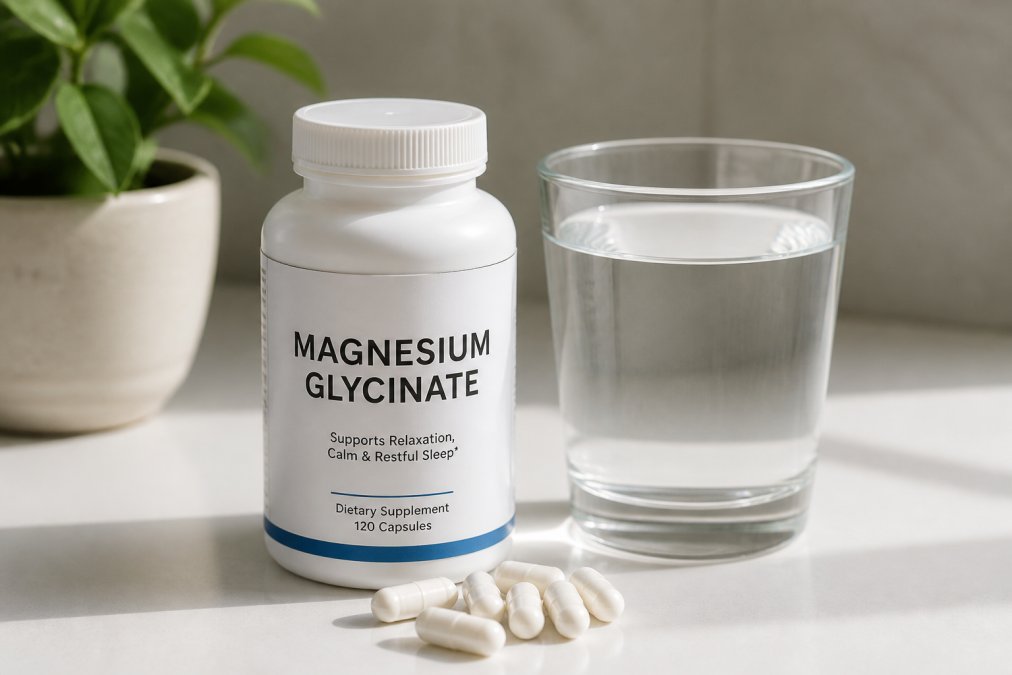
Common Side Effects and Tolerance
Potential side effects include mild digestive upset at very high doses, slight drowsiness (usually the intended effect), and in rare cases, headache during the first week as your system adjusts. These typically resolve quickly or don't occur at all. Because magnesium glycinate is chelated, the laxative effect seen with magnesium oxide or citrate is minimal or absent, even at doses up to 400 mg daily.
Drug Interactions and Medical Considerations
People taking certain medications should consult a healthcare provider before supplementing. Bisphosphonates for bone health (such as alendronate), certain antibiotics (particularly fluoroquinolones and tetracyclines), and some heart medications can interact with magnesium by affecting absorption timing or drug efficacy. Magnesium can reduce the absorption of these medications if taken too close together, typically requiring a 2-hour separation window.
How to Identify Quality Products: A Label-Reading Guide
Quality matters significantly because the supplement industry is not as tightly regulated as pharmaceuticals. Here's what to look for on a product label:
Third-Party Testing Certifications:
- USP (United States Pharmacopeia): Verifies that the product contains the claimed amount of magnesium glycinate and is free from harmful contaminants.
- NSF International: Tests for banned substances and contaminants; particularly important if you're an athlete.
- ConsumerLab: Independently tests supplements and publishes results; you can verify a product on their website.
- Informed Choice: Certifies that a product is free from banned substances.
At minimum, choose a product tested by at least one of these organizations.
Ingredient Transparency:
- The label should clearly state "magnesium glycinate" or "magnesium glycine chelate," not vague terms like "magnesium complex."
- Check the "Supplement Facts" panel for elemental magnesium content (typically 100-200 mg per serving in glycinate form).
- Look for minimal fillers. Avoid products with excessive artificial colors, flavors, or sweeteners.
- Verify that the product does not contain magnesium oxide, citrate, or other forms mixed in.
Manufacturing Standards:
- Products manufactured in facilities following GMP (Good Manufacturing Practice) standards are more likely to be consistent and contaminant-free.
- Domestic manufacturing means the product is subject to FDA oversight.
Red Flags to Avoid:
- Prices significantly lower than competitors.
- Labels that make disease claims (e.g., "cures anxiety" or "treats insomnia").
- Products with no expiration date or unclear sourcing information.
- Bottles that appear old, discolored, or have visible moisture inside.
Storage and Shelf Life
Store magnesium glycinate in a cool, dry place away from direct sunlight and moisture. Magnesium glycinate is hygroscopic, meaning it absorbs moisture from the air, which degrades potency over time. Keep the bottle tightly sealed. Most products maintain full potency for 2-3 years if stored properly.
Is Magnesium Glycinate Worth the Investment?
Whether magnesium glycinate is worth it for relaxation depends on your current magnesium status, the severity of your anxiety or sleep issues, and your budget constraints.
For people with documented magnesium deficiency or those experiencing moderate anxiety and sleep disruption, the investment typically pays off. The superior bioavailability means you need smaller doses than with cheaper forms, and the added glycine creates a synergistic calming effect. Most users report noticeable improvements within 3-4 weeks of consistent use.
The cost-per-dose is higher than magnesium citrate or oxide, but you're absorbing more of what you consume. For mild anxiety or occasional sleep disruption, a less expensive magnesium form might suffice. But if you're managing chronic stress, diagnosed anxiety, or persistent insomnia, magnesium glycinate's targeted nervous system effects and superior absorption make it a worthwhile investment.
Relaxation isn't a luxury, it's a foundation for sustainable health. If magnesium deficiency or nervous system dysregulation is preventing you from achieving calm, magnesium glycinate offers a targeted, well-researched approach to addressing the root cause. Nirvana Wellness Store offers carefully selected magnesium glycinate products that combine quality assurance with the bioavailability you need to actually feel the difference. Start with a modest dose, maintain consistency for 3-4 weeks, and assess whether your baseline stress and sleep quality have improved. That's when you'll know whether this investment aligns with your wellness goals.
Frequently Asked Questions
Does magnesium glycinate really calm you down?
Magnesium glycinate can support relaxation by helping regulate your nervous system. The glycine component adds its own calming properties, making this form particularly effective for anxiety relief and stress management. Individual results vary based on magnesium status, dosage consistency, and overall health, but many people report noticeable improvements in relaxation within 2-4 weeks of regular supplementation.
What is the best time of day to take magnesium glycinate for relaxation?
Evening is typically the best time to take magnesium glycinate, ideally 30-60 minutes before bedtime. This timing aligns with your body's natural wind-down and supports sleep quality. Some people benefit from taking it with a light meal to enhance gastrointestinal tolerance. Consistency matters more than timing, so choose a time you can maintain daily.
How does magnesium glycinate compare to other forms of magnesium?
Magnesium glycinate has superior bioavailability and gastrointestinal tolerance compared to magnesium citrate and other forms. While magnesium citrate works quickly for some people, it can cause digestive upset. Magnesium glycinate is chelated, meaning it's bound to glycine, which allows better absorption and gentler effects on your digestive system, making it ideal for relaxation and long-term supplementation.
Who should avoid taking magnesium glycinate supplements?
People taking certain medications, particularly bisphosphonates or antibiotics, should consult a healthcare provider before supplementing. Those with severe kidney disease or myasthenia gravis should also seek medical guidance. Pregnant or nursing women should verify safety with their doctor. If you have a sensitive stomach or specific health conditions, start with a lower dose to assess tolerance.
This article was written using GrandRanker