


Table of Contents
- Understanding Chronic Muscle Pain and Natural Relief Options
- Anti-Inflammatory Herbs and Spices for Muscle Pain
- Magnesium for Muscle Recovery and Pain Relief
- Anti-Inflammatory Diet for Muscle Pain Management
- Heat, Cold, and Movement Therapies for Muscle Soreness
- Topical Solutions and Essential Oils for Fast-Acting Relief
- When to See a Doctor for Muscle Pain
- Conclusion
Last Updated: August 14, 2026
Understanding Chronic Muscle Pain and Natural Relief Options
Chronic muscle pain affects millions of adults, particularly those over 40, athletes managing post-workout soreness, and individuals dealing with arthritis-related discomfort. This guide from Nirvana Wellness Store explores evidence-based natural alternatives that don't rely solely on over-the-counter medications. Combining multiple approaches, dietary changes, topical applications, movement therapies, and targeted supplementation, creates a more sustainable pain management strategy than relying on a single solution.
The challenge is that chronic muscle pain isn't one-size-fits-all. A 58-year-old with knee pain has different needs than a 35-year-old athlete recovering from intense training. Understanding your specific situation, pain triggers, and body sensitivities is the first step toward finding relief that works.
Research from the National Institutes of Health on pain management approaches shows that multimodal treatment strategies combining several complementary techniques produce better long-term outcomes than single interventions.
Anti-Inflammatory Herbs and Spices for Muscle Pain
Anti-inflammatory herbs and spices address the root cause of muscle pain: systemic inflammation and oxidative stress. Turmeric, ginger, and cayenne pepper contain phytonutrients that reduce inflammation without the side effects of synthetic medications.
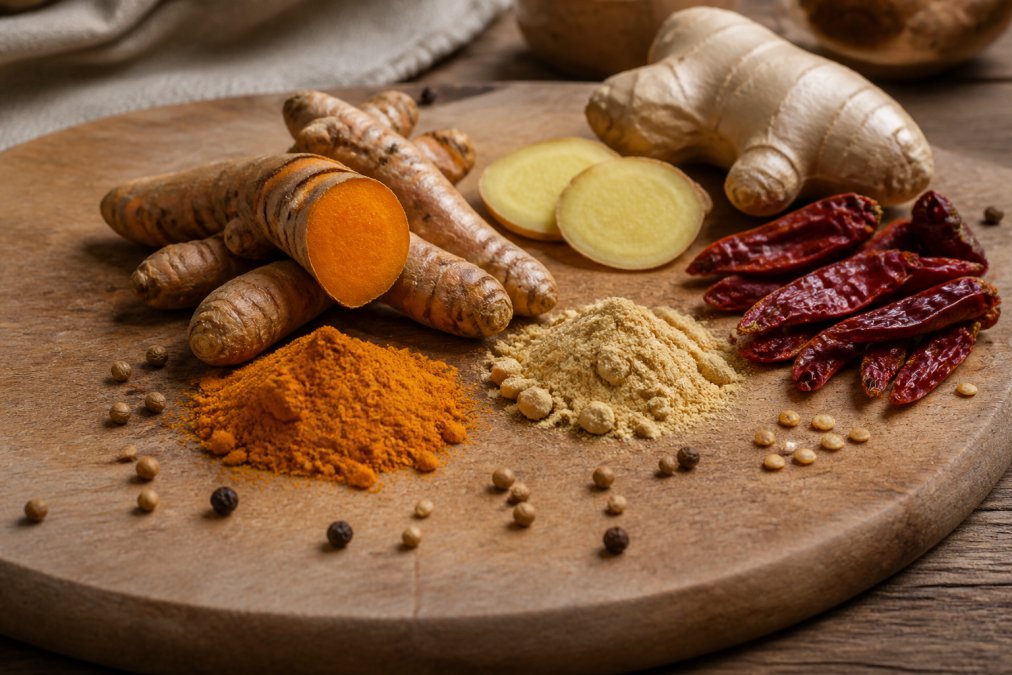
Turmeric's active compound, curcumin, is one of the most researched anti-inflammatory agents in natural medicine. The challenge is bioavailability, your body struggles to absorb curcumin efficiently alone. Pairing turmeric with black pepper (which contains piperine) increases absorption significantly. Consume turmeric in warm milk with black pepper, or take a supplement that includes both ingredients.
Ginger inhibits inflammatory pathways and reduces muscle soreness when taken consistently. Many people notice results within 7-14 days. Use fresh ginger in tea, add it to meals, or take it as a supplement. The warming effect also improves circulatory health, supporting tissue repair.
Cayenne pepper contains capsaicin, which depletes substance P, a neurotransmitter involved in pain signaling. Cayenne-based topical creams provide fast-acting relief, though temporarily. For internal use, cayenne supports systemic pain reduction over time.
Practical strategy: Start with one herb and observe your response for two weeks before adding another. If you have a sensitive stomach, take these herbs with food rather than on an empty stomach.
Magnesium for Muscle Recovery and Pain Relief
Magnesium deficiency is common among adults experiencing chronic muscle pain, particularly those over 40. This mineral is essential for muscle relaxation, nervous system regulation, and reducing cortisol, your body's primary stress hormone. When magnesium levels drop, your muscles stay in partial contraction, leading to tension and reduced recovery.
Not all magnesium forms are equally effective. Magnesium oxide has poor absorption (4% bioavailability) and often causes digestive issues. Magnesium glycinate and magnesium malate are better absorbed and gentler on the stomach. Magnesium glycinate suits sensitive digestion, while magnesium malate supports energy production in muscle cells for post-workout recovery.
Absorption optimization: Magnesium absorption improves when taken with vitamin B6, calcium, and adequate stomach acid. Take magnesium with food to increase absorption by 20-30%. Avoid high-fiber meals, as fiber can bind magnesium and reduce uptake. Split your dose into morning and evening (150-200 mg each), since your body can only absorb approximately 200 mg at once.
Dosage and timeline: Most adults benefit from 300-400 mg daily. Many notice improvements in muscle tension and sleep quality within one to two weeks. If you're not seeing results after three weeks, ask your doctor for a serum magnesium or red blood cell magnesium test.
Critical drug interactions: Magnesium can significantly interfere with certain medications. Antibiotics (particularly fluoroquinolones and tetracyclines) require at least a two-hour separation. Bisphosphonates (alendronate, risedronate) and thyroid medication (levothyroxine) require a four-hour gap. Magnesium has mild blood-thinning properties and may potentiate anticoagulants like warfarin, consult your healthcare provider if you're on blood thinners. Loop and thiazide diuretics increase magnesium loss, so users may need higher supplemental doses.
Side effects and tolerance: Magnesium has a mild laxative effect; if you experience loose stools, reduce your dose or switch to magnesium glycinate. Some people experience mild headaches or fatigue during the first week, this typically resolves quickly. If you have kidney disease, consult your doctor before supplementing.
Practical strategy: Review your current medications with your pharmacist or doctor before starting magnesium. Start with 150-200 mg of magnesium glycinate in the evening with food. After one week, increase to 300-400 mg split into morning and evening doses if you tolerate it well. Track your muscle tension, sleep quality, and digestive changes for two to three weeks.
Anti-Inflammatory Diet for Muscle Pain Management
What you eat directly influences your body's inflammatory response and recovery capacity. An anti-inflammatory diet focuses on foods rich in omega-3 fatty acids, antioxidants, and phytonutrients while reducing processed foods and refined carbohydrates that trigger systemic inflammation.
Increase omega-3 sources: fatty fish like salmon and sardines, flaxseeds, and walnuts. These reduce inflammatory markers and support tissue repair. Aim for two servings of fatty fish per week, or take a fish oil supplement if you don't eat fish regularly.
Colorful vegetables, particularly dark leafy greens, berries, and cruciferous vegetables like broccoli, contain antioxidants that combat oxidative stress. Eat a rainbow of vegetables across your meals to ensure diverse phytonutrient profiles.
Reduce inflammatory triggers: refined sugars, seed oils high in omega-6 (vegetable oil, soybean oil), and processed foods. These create a pro-inflammatory environment working against your pain management efforts.
Hydration affects muscle function and recovery. Dehydration increases muscle cramping and soreness. Most adults need at least 8-10 glasses of water daily, more if you're active.
Dietary changes take time. Expect two to four weeks of consistent eating habits before you notice significant improvements in pain levels and recovery speed.
Heat, Cold, and Movement Therapies for Muscle Soreness
Heat, cold, and movement therapies work through different mechanisms to reduce muscle soreness and improve pain management.

Heat therapy increases blood flow, relaxes tight muscles, and reduces pain signals. Use heat for chronic muscle tension, stiffness, and pain present for days or weeks. A heating pad applied for 15-20 minutes, or a warm bath with Epsom salts, works well for most people. The therapeutic bath approach combines heat with magnesium absorption through the skin.
Cold therapy reduces inflammation and numbs acute pain. Use cold for fresh injuries, acute inflammation, or immediately after intense exercise. Apply ice for 10-15 minutes at a time, wrapped in a towel to prevent ice burn.
The contrast method, alternating between heat and cold, stimulates circulatory health and can be particularly effective for chronic pain. Finish with heat to leave muscles in a relaxed state.
Movement therapy addresses a common mistake: avoiding movement because of pain. Gentle movement actually reduces chronic muscle pain more effectively than complete rest. Walking, swimming, yoga, and tai chi improve blood flow, maintain muscle function, and reduce pain over time. Start with 10-15 minutes of gentle movement daily and increase gradually as your pain decreases. Most people notice improvements within two to three weeks.
Topical Solutions and Essential Oils for Fast-Acting Relief
Topical applications work faster than oral supplements or dietary changes because they deliver active compounds directly to affected tissues, bypassing digestive absorption delays. Typical onset is 15-30 minutes, making topicals valuable for managing unpredictable pain flare-ups.
When to choose topicals: Topical applications are ideal when pain is localized to a specific area, when you have a sensitive stomach that reacts poorly to oral supplements, when you need fast relief before an activity, or when you're already taking multiple oral medications. Topicals are less effective for systemic or widespread muscle pain.
Key active ingredients:
Capsaicin (from cayenne pepper): Depletes substance P, a neurotransmitter involved in pain signaling. Capsaicin creams typically contain 0.025% to 0.075% concentration. Onset is 10-20 minutes, and effects last 4-6 hours. Capsaicin works best for chronic pain. The warming sensation is normal and typically subsides with repeated use.
Menthol: Creates a cooling sensation and activates cold-sensitive nerve receptors, overriding pain signals. Menthol provides faster onset (5-10 minutes) but shorter duration (2-4 hours) than capsaicin. It's better tolerated by people with sensitive skin.
Arnica: A traditional herbal remedy with mild anti-inflammatory properties. Evidence is mixed; some studies show modest benefit for bruising and soreness. Arnica works best for acute trauma or post-workout soreness.
Salicylates (from wintergreen oil or synthetic methyl salicylate): Work similarly to aspirin by inhibiting prostaglandins that promote inflammation. Onset is 15-30 minutes. Do not use under occlusive bandages or on large body surface areas.
Application protocol: Clean and dry the affected area before application. Apply a thin layer and massage gently for 1-2 minutes to increase blood flow and absorption. Wash your hands immediately after application unless treating your hands. Most topicals can be reapplied every 4-6 hours, up to three to four times daily. Avoid broken skin, open wounds, and contact with eyes and mucous membranes.
Essential oils as topical remedies: Essential oils have documented anti-inflammatory and analgesic properties but require proper dilution. Eucalyptus oil reduces muscle tension and improves circulation; peppermint oil provides cooling relief; lavender oil has mild analgesic properties and promotes relaxation. Never apply essential oils directly to skin, dilute in a carrier oil first. A standard dilution is 2-3 drops of essential oil per teaspoon of carrier oil (coconut, jojoba, or sweet almond oil).
Skin sensitivity and safety: Test any new topical product on a small area first and wait 24 hours for any reaction. Capsaicin and salicylates are more likely to cause irritation than menthol or arnica. Avoid using topicals on broken skin or areas with dermatitis. If you have a history of contact dermatitis or eczema, start with the gentlest option before trying stronger ingredients.
Combining topicals with other remedies: Topical applications work synergistically with heat therapy, apply a topical cream, then use a heating pad for 15-20 minutes to enhance absorption. Topicals can be used alongside oral supplements and dietary changes without interaction concerns.
When to See a Doctor for Muscle Pain
Most acute muscle soreness from exercise resolves within 3-7 days with rest, movement, and the strategies outlined above. However, certain situations warrant professional evaluation.
See a doctor if: pain persists beyond four weeks despite consistent self-care efforts; pain is severe enough to limit basic daily activities; you experience sudden, unexplained muscle weakness; pain is accompanied by fever, rash, or other systemic symptoms; or you suspect an injury.
If you're taking prescription medications, consult your healthcare provider before starting new supplements. Drug-herb interactions are real. For example, magnesium can interfere with antibiotic absorption if taken simultaneously. Ginger has mild blood-thinning properties and shouldn't be combined with anticoagulant medications without medical guidance. Turmeric can interact with blood thinners and diabetes medications.
Your healthcare provider can identify underlying conditions contributing to chronic muscle pain, such as arthritis, autoimmune conditions, or other medical issues requiring specific treatment.
Use natural alternatives as your first line for mild to moderate chronic muscle pain. If you're not seeing improvement after four weeks of consistent effort, or if pain worsens, seek professional evaluation.
Managing chronic muscle pain doesn't require choosing between conventional and natural approaches, the most effective strategy combines both. Start with the foundations: an anti-inflammatory diet, consistent gentle movement, proper hydration, and magnesium supplementation. Add topical relief when you need fast-acting support, like Nirvana Magic Cream's natural formulation, which provides arthritis support and back pain relief without synthetic ingredients. If pain persists despite these efforts or if you suspect an underlying medical condition, consult your healthcare provider to rule out serious issues and develop a personalized treatment plan.

Frequently Asked Questions
How quickly can natural remedies relieve chronic muscle pain?
Relief timelines vary by remedy and individual response. Topical applications like creams may provide relief within 15-30 minutes, while anti-inflammatory herbs and dietary changes typically take 2-4 weeks of consistent use to show measurable improvement. Magnesium supplementation and exercise benefits often emerge within 1-2 weeks. Results depend on pain severity, consistency of use, and your body's response to treatment.
What role does magnesium play in muscle recovery and pain relief?
Magnesium regulates muscle contraction and relaxation, reduces inflammation, and supports nervous system function. Deficiency is linked to muscle tension and cramping. Supplementing with 300-400 mg daily (consult your healthcare provider for your specific needs) may reduce muscle soreness and improve recovery. Food sources include spinach, almonds, pumpkin seeds, and dark chocolate, all supporting both magnesium intake and overall anti-inflammatory benefits for chronic muscle pain.
Can I use natural remedies if I'm taking medications for other health conditions?
Some herbs and supplements interact with medications. Turmeric may thin blood when combined with blood thinners; ginger can interact with diabetes medications; and magnesium may reduce absorption of certain antibiotics. Always inform your doctor about supplements you're considering, especially if you take prescription medications. Your healthcare provider can identify potential interactions and adjust dosages safely for your situation.
Which natural remedy works best for post-workout muscle soreness versus arthritis pain?
Post-workout soreness responds well to cold therapy within 48 hours, magnesium supplementation, and gentle stretching. Arthritis pain benefits more from consistent heat therapy, anti-inflammatory herbs like turmeric and ginger, and topical analgesic creams. For arthritis, an anti-inflammatory diet with omega-3 fatty acids provides long-term systemic relief. Nirvana Magic Cream offers fast-acting topical support for both conditions at $24.99, making it accessible for daily pain management.
This article was written using GrandRanker