


Table of Contents
- Why Essential Oils Matter for Post-Workout Recovery
- Top Essential Oils for Muscle Soreness and DOMS
- How to Dilute Essential Oils for Muscle Massage
- DIY Post-Workout Muscle Rub Recipe
- Safety Precautions for Topical Essential Oil Use
- Creating Your Post-Workout Recovery Protocol
- Conclusion
Last Updated: August 8, 2026
Why Essential Oils Matter for Post-Workout Recovery
Muscle soreness after intense exercise signals your body repairing micro-tears in muscle fibers. This delayed onset muscle soreness (DOMS) typically peaks 24-48 hours after a workout and can limit training consistency. The best essential oils for post-workout recovery reduce inflammation, improve circulation, and promote the systemic relaxation your muscles need to repair effectively.
Essential oils offer a targeted, non-pharmaceutical approach when applied correctly with proper dilution and carrier oils. The key difference between effective recovery and wasted effort comes down to choosing the right oils and applying them safely.
Top Essential Oils for Muscle Soreness and DOMS
When muscle soreness strikes, the oils that work best have proven anti-inflammatory and analgesic properties. The following five essential oils form the foundation of any effective post-workout recovery strategy.
Peppermint Oil: Cooling Relief and Circulation Boost
Peppermint oil delivers an immediate cooling sensation that many athletes find more effective than heat for acute muscle tension. The menthol content stimulates blood flow to affected areas, accelerating nutrient delivery and waste removal from fatigued muscles. When diluted properly, peppermint creates a tingling sensation that distracts from soreness while improving circulation underneath the skin.
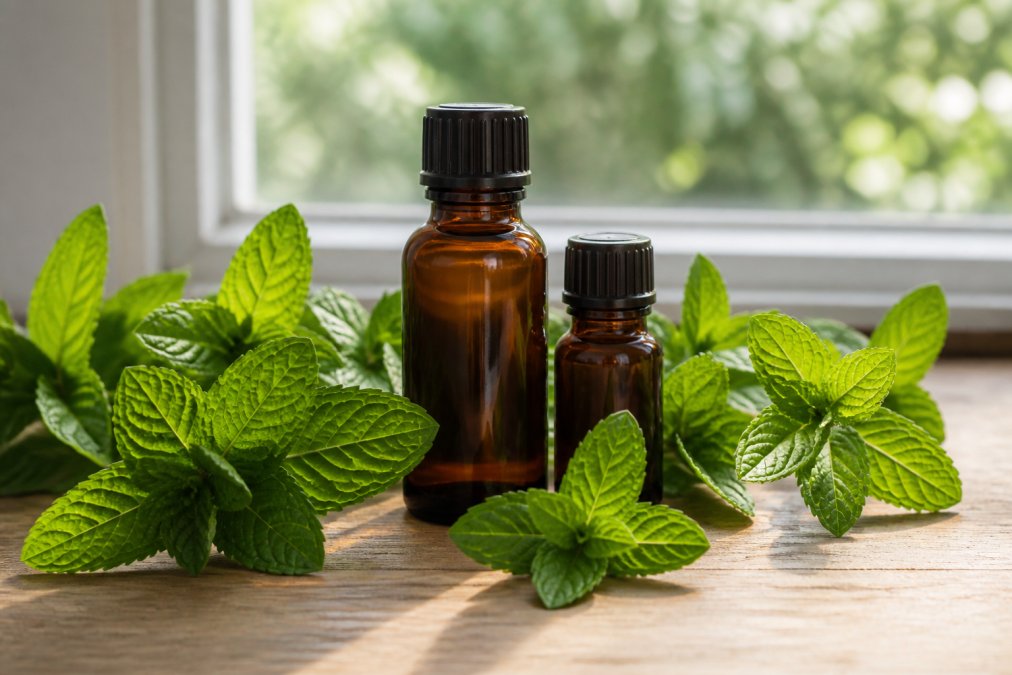
Most athletes use peppermint oil for neck, shoulder, and lower back tension. The cooling effect works best within the first 24 hours after a workout. For a simple application, mix 3 drops of peppermint oil with 1 teaspoon of coconut oil and massage directly onto sore muscles.
Start with lower concentrations (1-2 drops per teaspoon) if you have sensitive skin, and patch test 24 hours before full application.
Wintergreen Oil: Anti-Inflammatory and Analgesic Power
Wintergreen oil contains methyl salicylate, a compound with genuine anti-inflammatory properties similar to aspirin. This makes it one of the most researched essential oils for muscle and joint discomfort. Unlike peppermint's cooling effect, wintergreen provides a warming sensation that many prefer for deep muscle soreness.
Wintergreen works particularly well for peak DOMS recovery, the delayed soreness that peaks 2-3 days after your workout. Athletes dealing with joint pain alongside muscle soreness often find wintergreen more effective because it addresses inflammation at a deeper level.
Important caution: Wintergreen oil requires careful dilution and should never be applied undiluted. People with salicylate sensitivity should avoid wintergreen entirely.
Lavender Oil: Soothing Tension and Promoting Sleep Recovery
Lavender supports the systemic relaxation your nervous system needs for actual tissue repair. While peppermint and wintergreen address acute soreness, lavender facilitates the rest and sleep where 70% of muscle repair actually occurs. Athletes who add lavender to their evening recovery routine report falling asleep faster and waking with less residual soreness.
Lavender is also the safest essential oil for topical application, with the lowest risk of skin irritation even in higher dilutions. Many athletes use a lavender-based massage oil every evening post-workout as a preventive recovery measure.
Helichrysum Oil: Joint Pain and Tissue Repair Support
Helichrysum is the oil to reach for if your soreness involves joint pain or inflammation extending beyond muscle tissue. This oil is prized in sports medicine for its ability to reduce swelling and support tissue regeneration. Athletes with recurring joint issues benefit most from helichrysum, particularly for post-workout soreness involving connective tissue or joint capsules.
Helichrysum is more expensive than peppermint or lavender, and quality varies significantly between suppliers. Buy from reputable sources that verify purity through third-party testing.
A little goes a long way, you need only 1-2 drops per teaspoon of carrier oil.
Camphor and Eucalyptus: Warming Effects and Muscle Tension Relief
Camphor and eucalyptus oils work synergistically to create a warming effect that penetrates deep into muscle tissue. Both oils increase local circulation and create a sensation of heat that many athletes prefer for chronic muscle tension. Eucalyptus specifically supports easier breathing, which matters after intense cardio.
These oils work best 12+ hours after exercise, when acute inflammation has begun to settle. Both require careful dilution and can irritate skin if applied undiluted. If you have respiratory sensitivity or asthma, use eucalyptus cautiously and test first.
How to Dilute Essential Oils for Muscle Massage
Dilution is non-negotiable for safe topical essential oil use. Undiluted essential oils are too concentrated for skin application and can cause irritation or sensitization.
The correct dilution ratio depends on your skin sensitivity and the oil's potency.
Choosing the Right Carrier Oil
The carrier oil you choose matters as much as the essential oil itself. Coconut oil, jojoba oil, and sweet almond oil are the three most popular choices for post-workout muscle recovery.
Coconut oil absorbs quickly and has mild anti-inflammatory properties. Jojoba oil is closest to skin's natural sebum, making it excellent for sensitive skin. Sweet almond oil is rich and nourishing, best for dry skin.
For post-workout massage specifically, many athletes prefer jojoba oil because it absorbs without leaving a greasy residue. Avoid mineral oil and baby oil, they sit on skin rather than penetrating and offer no therapeutic benefit.
Safe Dilution Ratios for Topical Application
The standard dilution ratio for adults is 2-3% essential oil concentration:
- 3-5 drops of essential oil per teaspoon (5 mL) of carrier oil
- 12-20 drops of essential oil per tablespoon (15 mL) of carrier oil
- 30-50 drops of essential oil per ounce (30 mL) of carrier oil
For sensitive skin or multiple essential oils in one blend, start at 2% (3 drops per teaspoon). For strong, single-oil blends on non-sensitive skin, you can go to 3% (5 drops per teaspoon). Never exceed 3% for topical muscle massage application.
| Dilution Level | Drops per Teaspoon | Best For | Strength |
|---|---|---|---|
| 1% (conservative) | 1-2 drops | First-time users, sensitive skin | Mild |
| 2% (standard) | 3 drops | Most athletes, general use | Moderate |
| 3% (maximum) | 5 drops | Strong oils, non-sensitive skin | Strong |
Always mix thoroughly before application. Use a small glass bowl and stir for 30 seconds to ensure even dispersal. If making a larger batch, store in a dark glass bottle away from direct sunlight.
DIY Post-Workout Muscle Rub Recipe
This recipe combines the cooling effect of peppermint with the anti-inflammatory power of wintergreen and the deep relaxation support of lavender.
Ingredients:
- 2 tablespoons of jojoba oil (carrier oil)
- 4 drops of peppermint essential oil
- 3 drops of wintergreen essential oil
- 2 drops of lavender essential oil
Instructions:
- Pour the jojoba oil into a small glass bowl
- Add the peppermint oil first, then wintergreen, then lavender
- Stir thoroughly for 30-45 seconds to blend completely
- Transfer to a dark glass bottle if storing longer than a few days
- Apply 1-2 teaspoons to sore muscles immediately after workout or within 24 hours of soreness onset
- Massage gently into the muscle using circular motions for 2-3 minutes
- Allow to absorb for 5-10 minutes before dressing
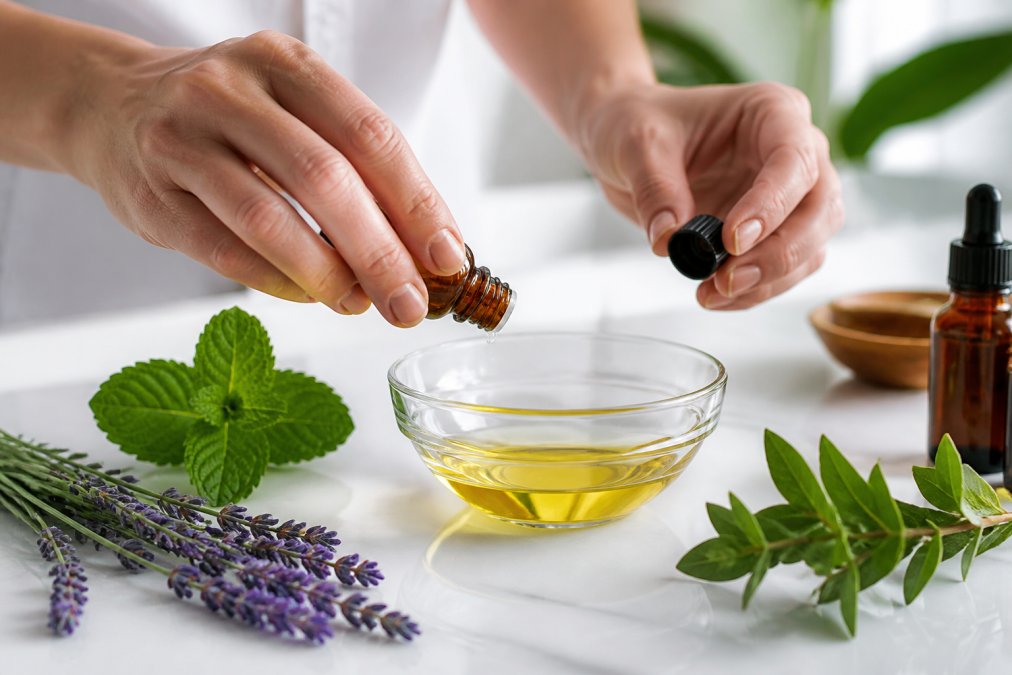
This batch makes approximately 1 oz and will last for 3-4 post-workout applications. The blend is most potent when fresh but remains effective for 2-3 weeks if stored properly.
Customization options:
- For joint pain: Replace 1 drop of lavender with 1 drop of helichrysum oil
- For sensitive skin: Reduce wintergreen to 2 drops and increase jojoba oil to 2.5 tablespoons
- For deeper relaxation: Add 1 drop of chamomile essential oil and increase lavender to 3 drops
- For respiratory support: Add 1 drop of eucalyptus oil
Making your own muscle rub costs roughly $3-5 per batch, compared to $20-40 for pre-made blends. Buy essential oils from reputable suppliers that provide third-party testing.
Safety Precautions for Topical Essential Oil Use
Essential oils are potent plant extracts. Proper safety precautions prevent skin irritation, allergic reactions, and systemic issues.
Patch Testing and Skin Sensitivity
Before applying any new essential oil blend to a large area, patch test on a small section of skin. Apply a few drops to the inside of your forearm or behind your ear and wait 24 hours. If you see redness, itching, burning, or any irritation, do not use that blend on larger areas.
If you have eczema, psoriasis, or other chronic skin conditions, patch test even oils you've used before. Pregnant women should avoid wintergreen and camphor entirely. Nursing mothers should avoid applying oils to the chest or breast area.
Contraindications and When to Avoid
Do not use essential oils if you're taking blood thinners like warfarin or aspirin daily. Wintergreen and other salicylate-rich oils can interact with these medications. Check with your healthcare provider before starting essential oil use if you're on prescription medications, particularly if you have liver or kidney issues.
Avoid essential oils if you have salicylate sensitivity. If you suspect this sensitivity, start with lavender or helichrysum only. Never ingest essential oils unless under professional supervision. Topical application only.
Creating Your Post-Workout Recovery Protocol
Effective recovery matches the right oil to the right phase of recovery. Your muscles go through distinct phases: acute soreness (0-24 hours), peak DOMS (24-72 hours), and resolution (72+ hours).
Immediate post-workout (0-2 hours): Apply your DIY muscle rub or a peppermint-based blend while muscles are still warm. The cooling sensation and improved circulation work best when muscles haven't yet cooled.
Evening of workout (4-8 hours): If soreness is significant, reapply the blend. Many athletes do a second application before bed using a lavender-heavy blend to support sleep quality.
Peak DOMS phase (24-72 hours after): Switch to wintergreen or a wintergreen-lavender blend. Wintergreen's anti-inflammatory action becomes more valuable than peppermint's circulation boost. Continue applications 1-2 times daily until soreness resolves.
Resolution phase (72+ hours): Taper to once-daily applications, preferably evening. Use lavender-dominant blends to support continued tissue repair and sleep quality.
Consistency matters more than intensity. Applying the blend once daily for a week beats applying it intensely for two days. Track what works, different workouts produce different soreness patterns. After 3-4 weeks of consistent use, you'll develop intuition about which oils work best for your training style.
Post-workout muscle soreness doesn't have to derail your training consistency. The right combination of essential oils, applied with proper dilution and timing, accelerates recovery and reduces downtime between intense sessions. Start with the DIY muscle rub recipe above, patch test first, and stick with the protocol for at least two weeks.
If you're looking for pre-made options while you build your essential oil collection, Nirvana Wellness Store also offers Nirvana Magic Cream ($24.99), a natural pain relief cream that combines herbal extracts with fast-acting relief for post-workout soreness and joint discomfort. Many athletes layer essential oil blends with topical creams for compounded effect. Get started with essential oils today and experience noticeably faster recovery within your first week. Continue shopping

Frequently Asked Questions
Which essential oils are best for muscle inflammation after workouts?
Peppermint, wintergreen, helichrysum, and lavender oils are among the most effective for post-workout muscle inflammation. Peppermint provides cooling sensation and improves circulation, while wintergreen delivers strong anti-inflammatory and analgesic properties. Helichrysum supports tissue repair and joint pain relief, and lavender reduces inflammation while promoting relaxation. Always dilute these oils in a carrier oil before applying to skin to prevent irritation.
How do you use essential oils for post-workout recovery?
Apply diluted essential oils through topical massage on sore muscles, typically 15-30 minutes after your workout when muscles are still warm. Mix 2-3 drops of essential oil per teaspoon of carrier oil (coconut, jojoba, or sweet almond oil work well). Massage the blend into affected areas using circular motions for 5-10 minutes. You can also add oils to a warm bath or use them in a diffuser for aromatherapy benefits that support systemic relaxation and recovery.
Are essential oils safe for muscle pain relief?
Essential oils can be safe for muscle pain relief when used properly, but they require careful dilution and application. Always perform a patch test on a small area of skin 24 hours before full application to check for sensitivity. Never apply undiluted oils directly to skin, as they can cause irritation or burns. Avoid use if you're pregnant, nursing, or taking medications that may interact with botanical compounds. Consult a healthcare provider if you have sensitive skin or existing conditions.
Can essential oils help with DOMS (Delayed Onset Muscle Soreness)?
Yes, essential oils can help manage DOMS symptoms when combined with other recovery strategies. Cooling oils like peppermint and eucalyptus reduce perceived soreness and improve circulation to affected muscles, while warming oils like camphor increase blood flow to promote tissue repair. Anti-inflammatory oils like helichrysum and lavender support the body's natural healing process. Apply diluted blends within 24-48 hours of intense exercise for best results, and combine with rest, hydration, and light stretching.
What is the best way to dilute essential oils for massage?
Use a 2-3% dilution ratio: 2-3 drops of essential oil per teaspoon (5 mL) of carrier oil, or 12-18 drops per ounce (30 mL). Choose carrier oils like coconut, jojoba, sweet almond, or arnica oil based on your skin type. Mix thoroughly in a glass bowl before application. For sensitive skin, start with a 1-2% ratio. Store your diluted blend in a dark glass bottle away from direct sunlight. Always patch test first, and never exceed recommended dilution ratios to avoid skin irritation.
This article was written using GrandRanker