


Table of Contents
- Understanding Delayed Onset Muscle Soreness (DOMS) and Natural Muscle Soreness Relief
- How to Reduce DOMS Naturally: Active Recovery and Movement
- Best Anti-Inflammatory Foods for Athletes
- Natural Supplements for Muscle Recovery
- Hydration and Electrolyte Balance for Tissue Repair
- Topical Relief Methods and Sleep Hygiene
- Individualized Recovery Protocols and Safety Considerations
- Conclusion
Last Updated: August 3, 2026
Understanding Delayed Onset Muscle Soreness (DOMS) and Natural Muscle Soreness Relief
When you push your body hard during a workout, muscle fibers experience microscopic damage. This triggers inflammation and soreness that typically peaks 24-48 hours after exercise, a condition known as delayed onset muscle soreness, or DOMS. Natural approaches to managing DOMS work remarkably well when applied strategically, rather than relying on over-the-counter pain medications that mask symptoms without addressing underlying inflammation.
Rather than waiting for soreness to fade on its own, which can take 5-7 days, you can actively accelerate recovery through targeted interventions. This guide covers seven evidence-backed methods that reduce pain, restore mobility, and get you back to training faster.
Training creates the stimulus for adaptation, but recovery is where the actual improvement happens. Muscle fibers repair themselves during rest periods, protein synthesis increases, and your body builds back stronger. Interrupt that process with persistent soreness and inflammation, and you're leaving performance gains on the table.
How to Reduce DOMS Naturally: Active Recovery and Movement
Complete immobility actually prolongs soreness by reducing circulation to damaged tissue. Instead, light movement stimulates blood flow, delivers oxygen and nutrients to muscle fibers, and speeds the removal of metabolic waste products that contribute to inflammation.
Active recovery doesn't mean pushing hard. It means moving gently in ways that promote circulation without creating new micro-damage.
Low-intensity aerobic activity
Gentle aerobic movement, walking, easy cycling, swimming, or light jogging, activates your cardiovascular system without stressing already-damaged muscles. A 20-30 minute session at conversational intensity increases blood flow to sore areas while clearing metabolic byproducts. Many athletes report that 15-20 minutes of easy movement on a sore day produces noticeable relief within hours.
Perform active recovery on the day after your intense workout, when soreness is building. This prevents the soreness from peaking as aggressively.
Stretching and mobility routines
Static stretching, holding a stretch for 20-30 seconds, increases range of motion in sore muscles and signals your nervous system to relax. A simple 10-15 minute routine includes hamstring, quad, hip flexor, and chest/shoulder stretches, each held 30 seconds and repeated 2-3 times.
Perform this routine daily while sore. Consistent stretching reduces soreness faster than passive rest alone.
Best Anti-Inflammatory Foods for Athletes
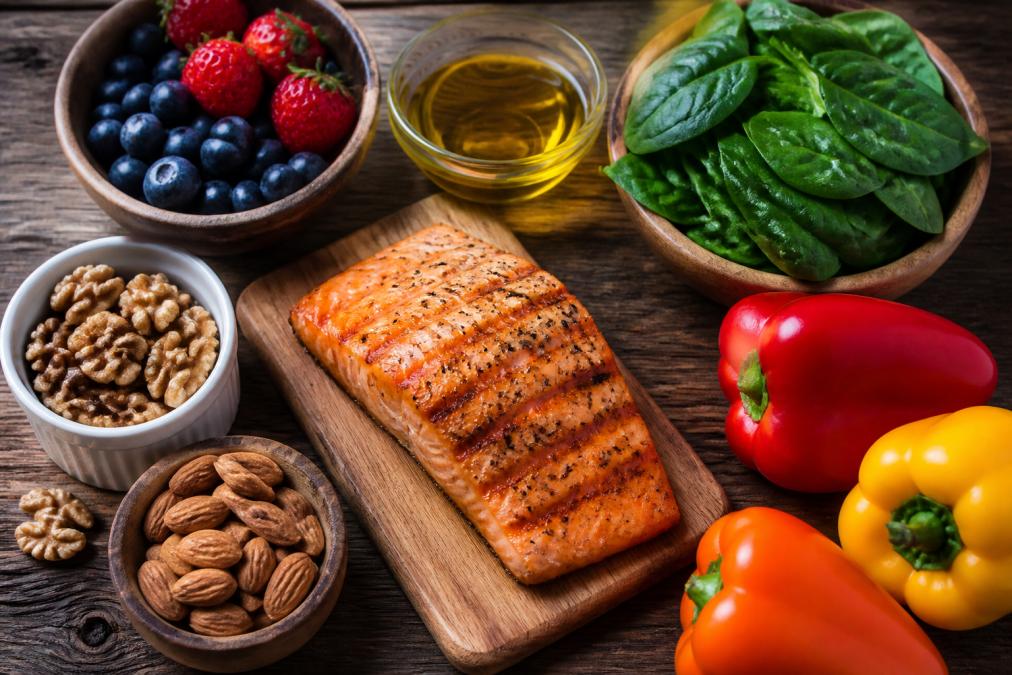
What you eat directly influences how quickly your body repairs muscle tissue and manages inflammation. Nutrients that matter most include omega-3 fatty acids (which reduce inflammatory markers), antioxidants (which neutralize oxidative stress), and complete proteins (which provide amino acids for tissue repair).
Omega-3 fatty acids and protein sources
Fatty fish like salmon, mackerel, and sardines contain high concentrations of EPA and DHA, omega-3 fatty acids that actively reduce inflammation. A serving of salmon provides 2-3 grams of omega-3s, quantities that research suggests reduce muscle soreness and accelerate recovery.
Pair fish with plant-based proteins. Legumes (lentils, chickpeas, black beans) provide both protein and fiber. Greek yogurt offers complete protein with probiotics that support gut health. Eggs contain all nine essential amino acids plus choline, which supports muscle repair. Nuts and seeds deliver omega-3s, magnesium, and vitamin E.
Antioxidant-rich foods
Berries contain anthocyanins and polyphenols that combat oxidative stress. Dark leafy greens like spinach and kale provide antioxidants plus iron, magnesium, and calcium. Colorful vegetables, sweet potatoes, beets, carrots, bell peppers, contain carotenoids and other antioxidants. Tart cherry juice has emerged as particularly effective; research suggests compounds in tart cherries reduce inflammation markers and support faster recovery. A 12-16 ounce serving daily during high-training periods provides measurable benefits.
Natural Supplements for Muscle Recovery
Certain supplements deliver concentrated doses of recovery-supporting compounds. Protein powder provides convenient post-workout nutrition; a 20-30 gram serving within 1-2 hours after training supports muscle protein synthesis. Creatine monohydrate increases muscle phosphocreatine stores and supports muscle repair; a standard 5 grams daily accumulates effects over 4-6 weeks.
Magnesium glycinate supports muscle relaxation and reduces cramping; a 300-400 mg evening dose supports sleep quality and recovery. Curcumin, the active compound in turmeric, reduces inflammatory markers; look for formulations with black pepper extract (piperine) to increase absorption. A 500-1000 mg daily dose with meals provides measurable anti-inflammatory effects.
Branched-chain amino acids (BCAAs) support muscle protein synthesis and reduce exercise-induced muscle damage. A 5-10 gram dose post-workout supports recovery, particularly for fasted training sessions.
Hydration and Electrolyte Balance for Tissue Repair
Dehydration amplifies inflammation and delays tissue repair. Muscle tissue is roughly 75% water; when dehydrated, nutrient delivery slows and metabolic waste accumulates. Drink enough that your urine is pale yellow. During heavy training or hot weather, increase intake accordingly.
Electrolytes matter as much as total water volume. Sodium, potassium, and magnesium regulate muscle contraction and fluid balance. For training sessions under 60 minutes, water is sufficient. For longer efforts, add electrolytes through coconut water or a pinch of salt in water.
Post-workout, prioritize sodium-containing foods. A meal with salt, protein, and carbohydrates (chicken with rice and vegetables, for example) replaces fluids and electrolytes while supporting recovery.
Topical Relief Methods and Sleep Hygiene
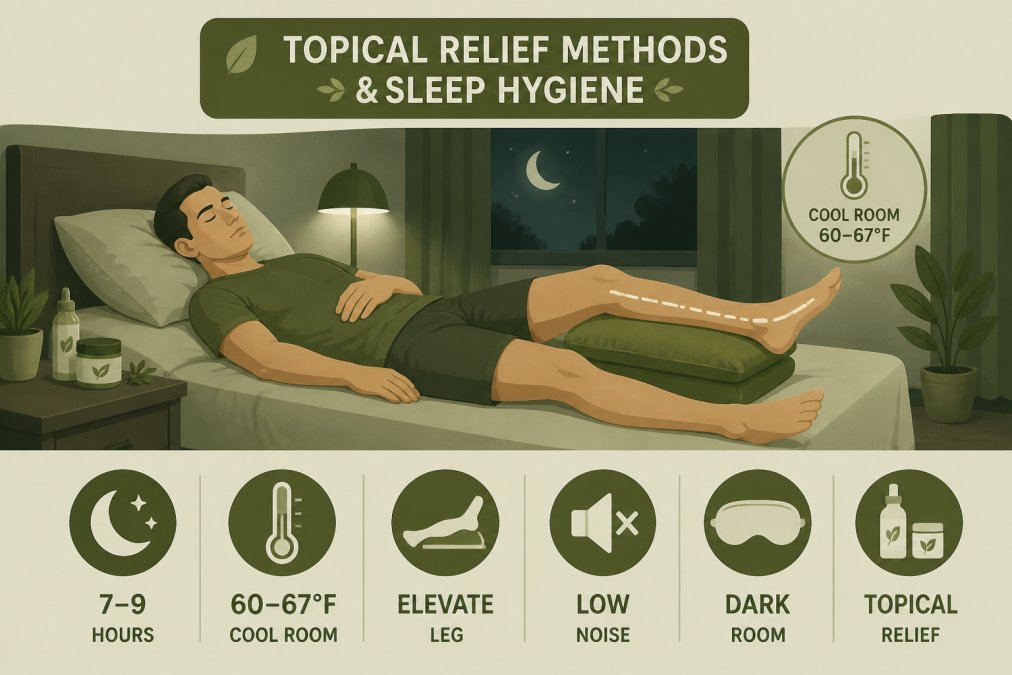
While internal recovery strategies address root causes, topical applications provide immediate symptom relief. Combined with sleep optimization, where actual tissue repair occurs, these methods accelerate the overall recovery process.
Topical applications for immediate relief
Topical creams containing natural ingredients reduce localized soreness and support circulation. Nirvana Magic Cream ($24.99) delivers fast-acting natural pain relief through herbal formulations designed specifically for muscle soreness and joint discomfort. Applied directly to sore areas, it provides relief within 15-20 minutes.

Cold (ice packs, cold water immersion) reduces inflammation immediately post-workout, particularly useful in the first 2-4 hours. Heat (warm baths, heating pads) increases circulation and reduces muscle tension, more useful 24+ hours post-workout when inflammation is established.
Sleep's role in muscle recovery and managing soreness
Sleep is where adaptation happens. During deep sleep, your body releases growth hormone, which drives tissue repair and protein synthesis. Inadequate sleep reduces growth hormone production and increases cortisol, a catabolic hormone that breaks down muscle tissue. This directly prolongs soreness and impairs adaptation.
Prioritize sleep quality: maintain consistent sleep and wake times, sleep in a cool, dark room (65-68°F), avoid screens 30-60 minutes before bed, limit caffeine after 2 PM, and elevate sore limbs while sleeping to reduce fluid accumulation.
Individualized Recovery Protocols and Safety Considerations
Recovery is not one-size-fits-all. Your age, training experience, genetics, and current stress levels all influence how quickly you recover and which methods work best. Pick two or three methods from this guide that align with your lifestyle and test them for two weeks. Track soreness on a scale of 1-10 daily. After two weeks, assess which combination produced the most improvement.
If you have joint issues, prioritize swimming or cycling over high-impact activities. If you have a sensitive stomach, start with lower supplement doses and adjust. If you take medications, check for interactions with supplements before adding them.
Listen to your body. If soreness worsens despite recovery efforts, or if you experience sharp pain (distinct from dull soreness), rest completely and consider medical evaluation.
Managing muscle soreness doesn't require expensive supplements or complex protocols. The most effective approach combines active recovery, anti-inflammatory nutrition, proper hydration, and consistent sleep, all accessible to any athlete. When soreness does strike, Nirvana Wellness Store offers products like Nirvana Magic Cream that provide fast-acting relief while you implement longer-term recovery strategies. Start with one or two methods from this guide, track your results, and build a personalized protocol that keeps you training hard without being sidelined by soreness.
| Recovery Method | Timeline | Best Applied When |
|---|---|---|
| Active recovery (walking, easy cycling) | 15-30 minutes | Day after intense training |
| Static stretching | 10-15 minutes | Daily while sore, especially evening |
| Anti-inflammatory foods | Ongoing | Every meal during training phases |
| Hydration with electrolytes | Ongoing | During and after training |
| Topical relief (Nirvana Magic Cream) | 15-20 minutes for relief | As needed, 24+ hours post-workout |
| Sleep optimization | 7-9 hours nightly | Every night, non-negotiable |
| Cold application | 10-15 minutes | First 2-4 hours post-workout |
| Heat application | 15-20 minutes | 24+ hours post-workout |
Research from the Journal of Sports Medicine demonstrates that active recovery reduces soreness markers significantly compared to passive rest alone. Studies examining nutritional interventions for muscle recovery show that omega-3 intake and antioxidant consumption measurably reduce inflammation and soreness duration. Sleep research from the National Sleep Foundation confirms that inadequate sleep directly impairs muscle repair and extends recovery timelines.
The athletes who recover fastest treat recovery as seriously as training. By implementing even three of these methods consistently, you'll notice reduced soreness, faster adaptation, and improved training capacity within 2-3 weeks.
Frequently Asked Questions
How quickly does natural muscle soreness relief work, and what should I expect?
Natural approaches to muscle soreness relief work on different timelines. Active recovery and stretching can reduce soreness within 24-48 hours. Anti-inflammatory foods and supplements support tissue repair over 3-7 days. Topical applications like Nirvana Magic Cream ($24.99) provide immediate comfort within minutes of application. Full recovery typically takes 5-7 days depending on exercise intensity and your individual recovery protocol.
What natural supplements for muscle recovery actually work for athletes?
Research supports several supplements for reducing DOMS and supporting protein synthesis. Omega-3 fatty acids reduce inflammation and tissue damage. Magnesium supports muscle relaxation and cortisol regulation. Tart cherry extract contains antioxidants that manage oxidative stress from intense training. Curcumin from turmeric offers anti-inflammatory benefits. Consistency matters more than individual supplements, so choose 1-2 options that fit your routine rather than taking everything at once.
Can I use natural muscle soreness relief if I have a sensitive stomach or skin?
Yes, but customize your approach. For digestive sensitivity, avoid high-dose supplements and start with anti-inflammatory foods instead. For skin sensitivity, test topical creams on a small area first. Nirvana Magic Cream is formulated without harsh chemicals and works well for sensitive skin. If you have arthritis or chronic pain alongside soreness, consult a healthcare provider before adding new supplements, especially if you take medications.
Is sleep really important for muscle recovery from soreness?
Sleep is critical for muscle repair. During deep sleep, your body increases protein synthesis and reduces cortisol, the stress hormone that slows recovery. Poor sleep extends DOMS by 2-3 days and increases inflammation. Aim for 7-9 hours nightly after intense training. Combine good sleep hygiene with active recovery, hydration, and anti-inflammatory nutrition for fastest results.
This article was written using GrandRanker