


Table of Contents
- Understanding Muscle Spasms and Cramps
- Hydration and Muscle Cramps: Why Fluid Intake Matters
- Electrolytes and Mineral Balance for Prevention
- Stretching for Muscle Cramps: Daily Routines That Work
- Regular Exercise and Muscle Conditioning
- How to Relieve Muscle Spasms Without Medication
- When to Seek Care for Muscle Spasms
- Your Prevention Plan: Putting It All Together
- Frequently Asked Questions
Last Updated: October 10, 2026
Understanding Muscle Spasms and Cramps
A muscle spasm is an involuntary contraction of muscle fibers that happens suddenly and can last seconds to minutes.
The difference matters. Spasms can happen at rest or during activity. Cramps almost always strike during exercise or at night. Understanding which one you're dealing with helps you prevent it more effectively.
Chronic muscle spasms and cramps develop when your muscles are tight, weak, or dehydrated. They're not a sign of serious illness in most cases, but recurring episodes signal that something in your routine needs to change.
Hydration and Muscle Cramps: Why Fluid Intake Matters
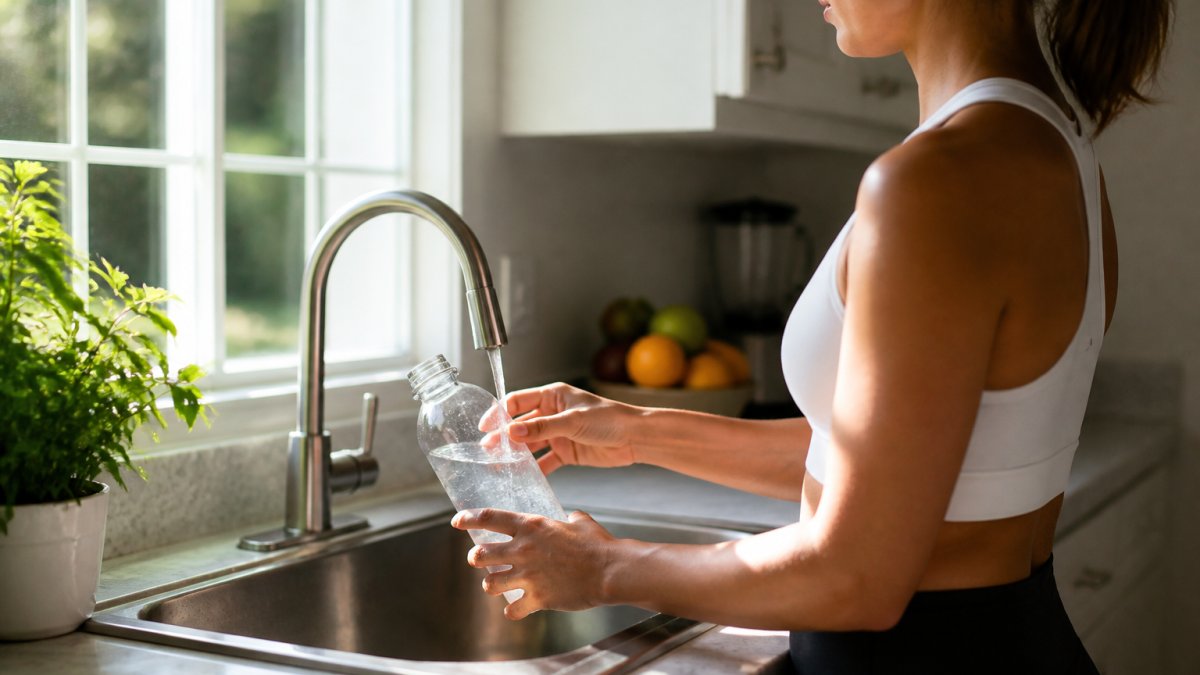
Dehydration is one of the biggest triggers for muscle cramps. When you lose fluids through sweat, your muscles can't contract and relax smoothly.
Your muscles are about 75% water (The Role of Water Homeostasis in Muscle Function and Frailty: A Review).
Here's what to do:
- Drink water throughout the day, not just before or after exercise
- Aim for pale yellow urine as a hydration marker
- Drink more on hot days or when you're active
- Don't wait until you're thirsty to drink, thirst lags behind actual need
If you exercise regularly, add electrolyte drinks to your routine. Plain water alone won't replace the sodium and potassium you lose through sweat.
Electrolytes and Mineral Balance for Prevention
Electrolytes, sodium, potassium, and magnesium, control muscle contraction. When these minerals drop, your muscles become irritable and prone to cramping. Preventing muscle spasms naturally means keeping electrolyte balance stable.
Magnesium is especially important. It helps muscles relax after contracting. Low magnesium is linked to muscle tightness and spasticity. You can boost magnesium through food or supplements.
Foods rich in electrolytes:
- Bananas and avocados (potassium)
- Leafy greens like spinach (magnesium)
- Nuts and seeds (magnesium)
- Coconut water (sodium and potassium)
- Bone broth (minerals and electrolytes)
If you're losing significant fluids through sweat, a sports drink with sodium and potassium works faster than water alone. This matters most during intense exercise or in hot weather.
Stretching for Muscle Cramps: Daily Routines That Work
Stretching for muscle cramps prevents them by keeping muscles flexible and reducing tension. Tight muscles cramp more easily than loose ones.
The best time to stretch is after activity, when muscles are warm. Stretching cold muscles can trigger cramps instead of preventing them.
Daily stretching routine (10 minutes):
- Calf stretch, Stand facing a wall, step one foot back, keep heel down, lean forward for 30 seconds per leg
- Hamstring stretch, Sit with one leg extended, fold forward gently, hold 30 seconds per leg
- Quad stretch, Stand, pull one foot toward your glutes, hold 30 seconds per leg
- Hip flexor stretch, Lunge position, push hips forward gently, hold 30 seconds per side
- Full body forward fold, Stand, fold forward slowly, let gravity do the work, hold 30-60 seconds
Hold each stretch for at least 30 seconds. Breathe steadily. Never bounce or force a stretch, gentle tension is the goal, not pain.
Regular Exercise and Muscle Conditioning
Weak muscles cramp more often than strong ones. Regular physical activity and muscle conditioning build resilience. You don't need intense workouts, consistency matters more than intensity.
Muscle conditioning doesn't mean heavy lifting. Walking, swimming, yoga, and resistance bands all build strength. Start with what you can do comfortably and add gradually.
Exercise plan for cramp prevention:
- Frequency: 3-4 days per week
- Duration: 20-30 minutes per session
- Type: Walking, swimming, yoga, or light resistance training
- Progression: Add 5-10% more effort every 2 weeks
Warm up for 5 minutes before exercise. Cool down for 5 minutes after. This helps muscles transition smoothly and reduces cramping risk.
How to Relieve Muscle Spasms Without Medication
When a spasm strikes, immediate relief comes from gentle movement and heat. How to relieve muscle spasms without medication focuses on relaxation, not force.
The first instinct is often to stretch aggressively. That usually makes it worse. Instead, use gentle techniques.
Relief steps when a spasm happens:
- Stop what you're doing and sit or lie down
- Gently stretch the affected muscle, no bouncing or forcing
- Apply heat (warm compress, heating pad, or hot shower) for 15-20 minutes
- Massage the area gently with your hands or a foam roller
- Move slowly and carefully once the spasm eases
Heat works better than cold for muscle spasms. It increases blood flow and helps muscles relax. If you have a heating pad at home, use it. A warm bath works too.
For ongoing relief, Nirvana Magic Cream offers fast-acting comfort. The formula is designed to soothe muscle tightness and support mobility without medication.

When to Seek Care for Muscle Spasms
Most muscle spasms and cramps resolve with self-care, but chronic or recurrent spasms often signal an underlying cause that deserves evaluation.
Types of spasms and what they mean:
- Exercise-associated cramps occur during or immediately after physical activity, usually in the muscles you're using. These typically respond well to hydration, electrolytes, and stretching.
- Nighttime leg cramps strike at rest, often in the calf or foot, and wake you from sleep. These are common and often linked to dehydration, magnesium deficiency, or prolonged sitting during the day.
- Neurologic spasticity is involuntary muscle tightness caused by nerve or spinal cord conditions. This requires medical evaluation and may not respond to standard cramp prevention.
- Medication-induced spasms can occur as a side effect of statins (cholesterol drugs), diuretics, or other medications. If you started a new medication and spasms began shortly after, mention this to your doctor.
Conditions that commonly cause chronic spasms:
Recurring spasms may point to thyroid dysfunction, kidney disease, liver disease, diabetes, or electrolyte disorders. Nerve compression (pinched nerve in the spine or elsewhere) can trigger spasms in specific areas.
When to seek professional care:
Seek evaluation if:
- Spasms happen multiple times per week despite 3-4 weeks of consistent prevention (hydration, stretching, exercise)
- Spasms are severe, last longer than 10 minutes, or cause significant pain
- You notice weakness, numbness, tingling, or swelling alongside spasms
- Spasms follow an injury or accident
- Spasms are spreading to new muscle groups or worsening over time
- You started a new medication and spasms began shortly after
- Spasms interfere with sleep, work, or daily activities
- You have a history of thyroid disease, kidney disease, diabetes, or neurologic conditions
What to expect at a medical visit:
Your doctor will ask about the frequency, duration, location, and triggers of your spasms. They may order blood work to check electrolytes, thyroid function, kidney function, or vitamin levels.
Don't assume chronic spasms are just part of aging or something you have to live with.
Your Prevention Plan: Putting It All Together
The most effective prevention combines hydration, stretching, exercise, and tracking into a routine you can sustain.
Week 1: Build the foundation
Start with two habits:
- Hydration: Drink water consistently throughout the day. Aim for pale yellow urine. On days you exercise or it's hot, drink more. Track your daily water intake (a simple tally or phone note works).
- Stretching: Spend 10 minutes daily stretching the muscles most prone to spasms (calves, hamstrings, quads, hip flexors). Stretch after activity when muscles are warm, not before.
Don't add everything at once. These two alone prevent most cramps.
Week 2-3: Add electrolytes and movement
Once hydration and stretching feel routine:
- Electrolytes: Add one food rich in potassium or magnesium to your daily diet (banana, handful of almonds, spinach salad, or coconut water). If you exercise for more than an hour, use a sports drink with sodium and potassium.
- Exercise: Start 3 days per week with 20-30 minutes of walking, swimming, yoga, or light resistance training. Warm up for 5 minutes, cool down for 5 minutes. This builds muscle resilience and reduces cramping.
Continue tracking spasms. Note whether they're decreasing in frequency or severity.
Week 4 and beyond: Refine and measure
Once all four pillars are in place, track more carefully to identify your personal patterns:
- Frequency: How many spasms per week? Are they decreasing?
- Timing: Do they happen at night, during exercise, or at rest?
- Duration: How long do they last? Are they getting shorter?
- Triggers: Do they follow certain activities, foods, dehydration, or stress?
- Severity: Can you rate pain on a scale of 1-10? Is it improving?
Keep a simple log (paper or phone) with date, time, location, trigger (if known), and severity. After 2-3 weeks of tracking, patterns emerge.
Adaptations for different lifestyles:
Sedentary work (desk job):
- Set phone reminders to drink water every hour
- Stand and stretch for 2 minutes every 90 minutes
- Take a 10-minute walk at lunch
- Do calf raises or quad stretches at your desk
Active or athletic:
- Drink electrolyte drinks during exercise lasting longer than 60 minutes
- Stretch immediately after activity while muscles are warm
- Don't increase training intensity by more than 10% per week
- Track whether spasms correlate with high-volume training weeks
Nighttime leg cramps:
- Drink water consistently throughout the day, not just at night
- Stretch calves and hamstrings before bed
- Avoid prolonged sitting in the afternoon; stand and move every 30 minutes
- Keep a heating pad or warm blanket near your bed for quick relief
- If cramps persist, ask your doctor about magnesium supplementation
Prevention checklist:
- Drink water consistently; track daily intake
- Eat foods rich in potassium and magnesium daily
- Stretch for 10 minutes daily, especially after activity
- Exercise 3-4 times per week for 20-30 minutes
- Warm up for 5 minutes before activity; cool down for 5 minutes after
- Apply heat when spasms occur
- Track spasm frequency, timing, triggers, and severity
- Review your log weekly and adjust habits based on patterns
How to know if prevention is working:
Remember: prevention is not one-size-fits-all. What works for someone else may not work for you.
Frequently Asked Questions
Can dehydration cause chronic muscle spasms?
Yes, dehydration is a primary trigger for chronic muscle spasms. When your body loses fluids faster than you replace them, muscles don't receive adequate water to function properly. This causes muscle cells to contract involuntarily. Chronic dehydration from insufficient daily fluid intake, excessive sweating during exercise, or hot weather significantly increases spasm frequency and severity. Maintaining consistent hydration throughout the day, aiming for half your body weight in ounces of water daily, is one of the most effective ways to prevent muscle spasms naturally.
What nutrient deficiency can cause muscle spasms?
Low levels of magnesium, potassium, and sodium are the most common mineral deficiencies linked to muscle spasms. Magnesium regulates muscle contraction and relaxation; potassium controls electrical signals in muscles; sodium maintains fluid balance. Electrolyte imbalances disrupt normal muscle function, triggering cramps and spasms. You can address these deficiencies through diet (leafy greens, nuts, bananas, coconut water) or electrolyte supplements. If you experience frequent spasms despite adequate hydration and mineral intake, consult a healthcare provider to rule out underlying conditions.
Can you exercise with muscle spasms?
Light, gentle movement is beneficial during mild spasms, but intense exercise should be avoided. When a spasm occurs, stop the activity, gently stretch the affected muscle, and apply heat or cold therapy. Once the acute spasm subsides, gentle stretching and low-impact movement (walking, swimming) promote recovery. Regular conditioning exercise, done on non-spasm days, actually prevents future spasms by strengthening muscles and improving flexibility. However, if spasms are severe or recurring during exercise, rest and address underlying hydration or mineral issues before resuming your routine.
How quickly should I expect relief from prevention strategies?
Prevention works gradually over weeks, not hours. Consistent hydration and electrolyte balance may reduce spasm frequency within 7-10 days. Regular stretching and exercise routines typically show noticeable improvement in 2-4 weeks as muscle flexibility and conditioning improve. For immediate relief of an active spasm, gentle stretching and heat therapy work within minutes. Nirvana Magic Cream provides fast-acting comfort during acute episodes while you build long-term prevention habits. The key is consistency: these strategies compound over time, reducing spasm severity and frequency significantly after 4-6 weeks of daily practice.
Chronic muscle spasms don't have to control your life. Most people see improvement within 2-3 weeks of consistent prevention. At Nirvana Wellness Store, we understand how frustrating recurring spasms can be. Our Nirvana Magic Cream provides fast-acting relief while you build lasting prevention habits through hydration, stretching, and exercise. Start your prevention routine today and experience the comfort and mobility you deserve.