


Table of Contents
- Understanding Non-Drug Pain Management
- Exercise for Chronic Pain: Building Movement Into Your Routine
- Physical Therapy for Chronic Pain Relief
- Mindfulness and Deep Breathing for Pain Management
- Heat and Cold Therapy, Stretching, and Hands-On Relief
- Lifestyle Changes: Sleep, Stress, and Nutrition
- Safety, Medical Coordination, and When to Seek Professional Care
- Building Your Personal Pain Management Plan
- Frequently Asked Questions
Last Updated: October 8, 2026
Understanding Non-Drug Pain Management
Chronic pain affects millions of adults, and many seek relief without relying on prescription medications. The good news: you can manage chronic pain without prescription medication through proven, accessible approaches that work with your body's natural healing processes.
Non-drug pain management combines movement, mindfulness, lifestyle adjustments, and hands-on therapies. These methods address pain at its source rather than masking symptoms.
Nirvana Wellness Store offers a curated selection of wellness products designed to support your journey toward balance and vitality.
Exercise for Chronic Pain: Building Movement Into Your Routine
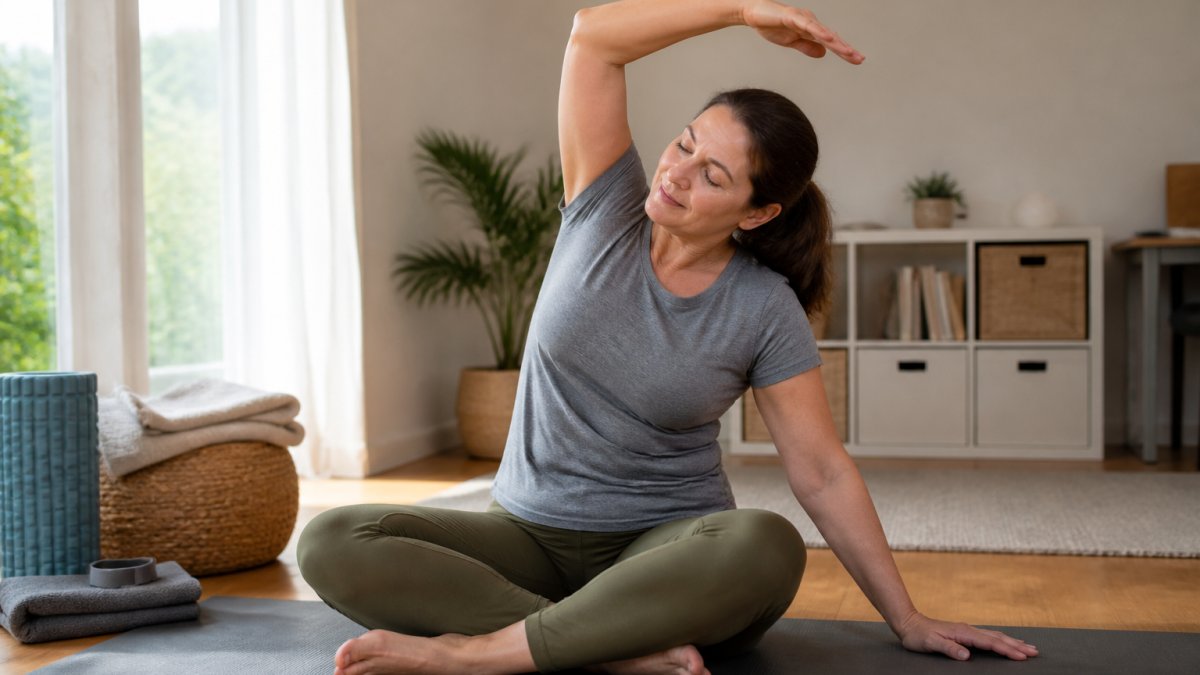
Movement is one of the most effective ways to manage chronic pain without prescription medication. Regular exercise strengthens muscles, improves flexibility, and reduces inflammation. The challenge isn't whether to exercise, it's how to start safely and progress without triggering pain flares.
Starting Slowly and Progressing Safely
Begin with low-impact activities that don't stress painful joints. Walking, swimming, and water aerobics are excellent entry points.
Pain during exercise differs from pain that signals injury. Mild discomfort that fades within an hour is normal.
Track your pain levels before and after exercise. Many people find that consistent movement reduces baseline pain over 4-6 weeks, even if the first few sessions feel uncomfortable.
Physical Therapy for Chronic Pain Relief
Physical therapy for chronic pain uses targeted exercises and hands-on techniques to restore function and reduce discomfort. A licensed physical therapist assesses your specific limitations and designs a program matched to your condition.
Physical therapy works by:
- Strengthening weak muscles that contribute to pain
- Improving range of motion in stiff joints
- Teaching proper body mechanics for daily activities
- Reducing inflammation through controlled movement
Many people find that 6-8 weeks of consistent physical therapy produces measurable improvements. Insurance often covers physical therapy when prescribed by a physician, making it an accessible option.
Mindfulness and Deep Breathing for Pain Management
Chronic pain often creates a cycle: pain causes stress, stress increases muscle tension, and tension amplifies pain.
Mindfulness meditation trains your brain to observe pain without judgment. You're not trying to eliminate the sensation, you're changing your relationship with it.
Deep breathing activates your parasympathetic nervous system, the body's natural relaxation response.
Start with just 5 minutes daily. Many apps offer guided meditations for pain management.
Heat and Cold Therapy, Stretching, and Hands-On Relief
Heat, cold, stretching, and hands-on therapies are among the most accessible non-drug tools for chronic pain, but they work through different mechanisms and suit different pain patterns. Understanding which to use, when, and for how long makes the difference between temporary comfort and meaningful relief.
Heat Therapy: Relaxing Muscles and Improving Circulation
Heat increases blood flow, relaxes muscle fibers, and reduces stiffness. It works best for chronic muscle tension, osteoarthritis, and pain that feels better with warmth. Moist heat (warm showers, damp heating pads) penetrates deeper than dry heat. Apply for 15-20 minutes at a time, with a cloth barrier between the heat source and your skin. Avoid heat on areas with acute inflammation, swelling, or numbness.
Cold Therapy: Reducing Inflammation and Numbing Pain
Cold slows blood flow, reduces swelling, and numbs sharp pain. It is most useful for acute flares, recent injuries, and pain that worsens with activity. Use a cold pack wrapped in a cloth for 10-15 minutes at a time. Never apply ice directly to skin. If you have nerve damage, poor circulation, or Raynaud's phenomenon, check with your healthcare provider before using cold therapy.
Alternating Heat and Cold
Some people find relief by alternating heat and cold, especially for joint pain. A common pattern is 3 minutes of heat followed by 1 minute of cold, repeated for 15-20 minutes. This can help reduce stiffness while calming inflammation. Keep a log of which combination works best for your pain pattern.
Stretching: Gentle, Consistent, and Safe
Stretching improves flexibility, reduces muscle tightness, and can lower pain sensitivity over time. Hold each stretch for 20-30 seconds without bouncing. Stretch after a warm shower or heat application when muscles are more pliable. Focus on major muscle groups around the painful area, but avoid stretching into sharp pain. A physical therapist can teach you condition-specific stretches.
Massage and Hands-On Therapies
Massage, chiropractic care, and acupuncture are hands-on approaches that may reduce pain through muscle relaxation, improved circulation, and modulation of pain signals. Evidence quality varies: massage and acupuncture have moderate support for short-term relief in some conditions, while chiropractic care shows mixed results. Most practitioners recommend trying a few sessions to see if you respond. Always choose a licensed provider and inform them of your medical history, especially if you take blood thinners or have recent injuries.
Heat and cold are tools for temporary relief, not cures. Use them to make movement and daily activities more comfortable, and pair them with stretching and hands-on therapies for a layered approach.
Condition-Specific Adaptations
- Osteoarthritis: Heat before activity, cold after. Gentle stretching and low-impact movement.
- Fibromyalgia: Warm baths, gentle massage, and avoiding extreme cold.
- Neuropathic pain: Cold may worsen symptoms; test carefully and consult a clinician.
- Low back pain: Heat for muscle spasm, cold for acute flare, and core stabilization exercises.
Measuring Progress
Track pain intensity, stiffness, and function before and after each therapy. A simple 0-10 scale and a note about what you did can reveal patterns. If a therapy consistently worsens pain, stop and consult a professional.
Lifestyle Changes: Sleep, Stress, and Nutrition
Your daily habits shape your pain experience more than most people realize. Poor sleep amplifies pain perception.
Sleep quality matters as much as quantity. Aim for 7-9 hours nightly in a cool, dark room (the CDC).
Stress management directly reduces pain. Activities that calm your nervous system, walking, gardening, time with loved ones, lower inflammation and pain sensitivity.
Nutrition supports healing and reduces inflammation. Focus on whole foods: vegetables, fruits, lean proteins, and healthy fats.
Safety, Medical Coordination, and When to Seek Professional Care
Managing chronic pain without prescription medication doesn't mean avoiding medical care. It means taking an active role in your recovery while staying coordinated with your healthcare team.
Inform your doctor about your pain management approach. Some methods interact with medications or underlying conditions. For example, certain supplements can interfere with blood thinners.
Seek immediate medical care if you experience:
- Sudden severe pain
- Numbness or weakness spreading
- Loss of bladder or bowel control
- Fever with back pain
- Pain after an injury or fall
If you're currently taking prescription pain medications, don't stop abruptly. Work with your doctor on a tapering plan. Sudden discontinuation can cause withdrawal symptoms.
Never assume chronic pain is "just something you have to live with." Pain that persists beyond normal healing time (typically 3 months) warrants professional evaluation to rule out serious underlying conditions.
Building Your Personal Pain Management Plan
Most articles list therapies but leave you wondering how to combine them. A personalized plan helps you choose, sequence, and track approaches based on your pain, abilities, and goals. Use this framework to build a plan that fits your life.
Step 1: Assess Your Pain and Function
Before choosing therapies, understand your baseline. Rate your pain (0-10), sleep quality, mood, and activity level for one week. Note what makes pain better or worse. This log reveals patterns and helps you set realistic goals.
Step 2: Choose Your Starting Approaches
Select 2-3 approaches that match your biggest challenges:
- If movement is limited: Start with gentle walking, swimming, or physical therapy.
- If stress is high: Begin with deep breathing, meditation, or a relaxing hobby.
- If sleep is poor: Focus on sleep hygiene and a consistent bedtime routine.
- If inflammation is severe: Add anti-inflammatory nutrition and heat/cold therapy.
Avoid trying everything at once. Overwhelm leads to quitting.
Step 3: Sequence and Layer
Start with one approach and practice it consistently for 2-3 weeks before adding another. For example, begin with a 10-minute daily walk, then add 5 minutes of deep breathing, then introduce heat therapy after activity. Layering builds habits and lets you see what works.
Step 4: Set Measurable Goals Beyond Pain
Instead of "eliminate pain," aim for functional goals: "walk 20 minutes without stopping," "sleep 6 uninterrupted hours," or "reduce pain by 20% in 8 weeks." Track function, sleep, mood, and activity, not just pain intensity. Improvements in these areas often precede pain reduction.
Step 5: Track and Adjust
Use a simple weekly log to record pain, sleep, mood, activity, and which therapies you used. Review every 4-6 weeks. If something isn't working, adjust or replace it. If it is working, gradually increase duration or intensity.
Step 6: Coordinate With Your Healthcare Team
Share your plan with your doctor or physical therapist. They can help you avoid conflicts with medications, suggest condition-specific modifications, and monitor progress. If you take prescription pain medication, never stop abruptly, work with your doctor on a tapering plan while building non-drug skills.
Start with one small change today, a 10-minute walk, five minutes of deep breathing, or a consistent bedtime. Small actions compound into meaningful relief.
Example Plan for Low Back Pain
- Week 1-2: Daily 10-minute walk, heat therapy after activity.
- Week 3-4: Add 5 minutes of gentle stretching, start sleep hygiene routine.
- Week 5-6: Add core stabilization exercises (taught by a physical therapist), track function.
- Week 7-8: Review progress, adjust goals, consider adding massage or acupuncture.
Measuring Progress Beyond Pain Intensity
Use a simple 0-10 scale for pain, but also rate:
- Function: Can you do daily tasks more easily?
- Sleep: Are you sleeping longer or more soundly?
- Mood: Do you feel less irritable or anxious?
- Activity: Are you moving more or doing more?
Improvements in these areas are meaningful even if pain numbers don't change immediately.
A personalized plan is flexible. Revisit it every 4-6 weeks and adjust based on what you learn. Consistency matters more than perfection.
Frequently Asked Questions
What are the most effective non-drug treatments for chronic pain?
Research supports several evidence-based approaches: regular movement and exercise, physical therapy, mindfulness and meditation, heat and cold therapy, and lifestyle modifications like improved sleep and stress reduction. The most effective strategy typically combines multiple methods tailored to your specific condition. What works best varies by individual, some people find exercise most helpful, while others see significant relief through mindfulness or hands-on therapies like massage. Starting with one or two approaches and gradually adding others helps you identify what provides the most benefit for your situation.
How quickly should I expect to feel relief from non-medication pain management?
Timeline varies by approach and individual. Heat therapy and stretching often provide relief within minutes to hours. Exercise and physical therapy typically require consistent effort over 4-8 weeks to show meaningful improvement in pain levels and function. Mindfulness and breathing techniques can offer immediate calming effects, though deeper benefits build over weeks of regular practice. Lifestyle changes like sleep improvement may take 2-3 weeks to noticeably reduce pain intensity. Realistic expectations, gradual improvement rather than immediate elimination, help you stay committed to approaches that work.
Can I manage chronic pain without opioids or other prescription medications?
Yes. Non-drug approaches address pain through multiple pathways: reducing inflammation and muscle tension through movement, lowering stress hormones through mindfulness, improving sleep quality through lifestyle changes, and providing immediate relief through heat, cold, and massage. Many people successfully reduce or eliminate medication reliance by combining these strategies consistently. However, if you're currently taking prescription pain medication, work with your healthcare provider on a safe tapering plan rather than stopping abruptly. Your doctor can help coordinate non-drug approaches with any necessary medication adjustments.
What should I do if non-drug strategies aren't reducing my pain?
If you've consistently practiced exercise, mindfulness, and lifestyle changes for 8-12 weeks without improvement, consult your healthcare provider. They can rule out conditions requiring different treatment, adjust your approach based on your specific diagnosis, or explore complementary therapies like acupuncture or spinal manipulation. Some chronic pain conditions benefit from a combination of non-drug strategies plus targeted medical care. Your provider can also help identify which approaches suit your individual health situation, especially if you have other medical conditions or medication sensitivities.