


Table of Contents
- Why Knee Stiffness Increases After 40
- Exercises for Knee Stiffness and Joint Mobility
- Natural Remedies for Joint Pain and Stiffness Relief
- Daily Habits to Reduce Knee Stiffness After 40
- When to See a Doctor for Knee Pain
- Managing Chronic Knee Stiffness with the Right Support
- Conclusion
Last Updated: August 22, 2026
Why Knee Stiffness Increases After 40
Knee stiffness becomes increasingly common after 40 because of natural changes in joint structure and function. Cartilage gradually loses elasticity, synovial fluid production decreases, and muscles surrounding the knee weaken from sedentary habits. The cumulative effect is reduced range of motion and that characteristic morning stiffness that makes getting out of bed harder than it used to be.
This isn't inevitable decline, it's a signal that your joints need different support than they did at 25. The good news is that how to manage knee stiffness after 40 is largely within your control. Most people don't realize that consistent movement, targeted strengthening, and strategic recovery methods can reverse years of accumulated stiffness.
Joint mobility depends on three factors: cartilage health, synovial fluid lubrication, and muscle support around the joint. When any of these deteriorate, stiffness follows. Sedentary lifestyles accelerate this process. A desk job, long car commutes, and sitting through evening hours all reduce the movement stimulus your knees need to stay healthy.
The real problem isn't age itself, it's that most people treat knee stiffness as something to endure rather than something to actively manage. At Nirvana Wellness Store, we offer products for customers managing chronic joint discomfort.
Exercises for Knee Stiffness and Joint Mobility
The most effective approach to managing knee stiffness involves low-impact movement that preserves joint cartilage while rebuilding range of motion. Contrary to popular belief, rest makes stiffness worse. Movement, when done correctly, is the primary treatment.
Gentle exercises activate the muscles that stabilize the knee and signal your body to produce more synovial fluid. This lubricates the joint and reduces friction. The key is starting conservatively and progressing gradually. Aggressive stretching or high-impact activities can inflame the joint and set back progress.
Heel Slides and Straight Leg Raises
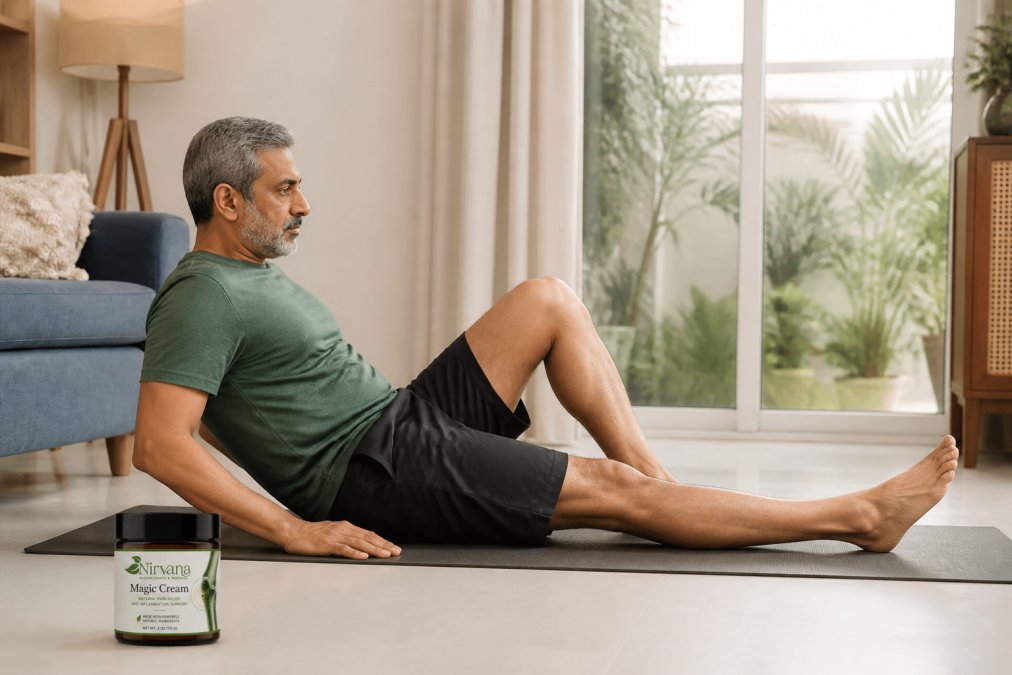
Heel slides are among the safest and most effective exercises for restoring range of motion. Lie on your back with one leg bent and one leg straight. Slowly slide the heel of the bent leg toward your buttock, bending the knee as far as comfortable without pain. Hold for two seconds, then slide back to straight. Perform 15-20 repetitions per leg, twice daily.
Straight leg raises build quadriceps strength without bending the knee, which reduces stress on the joint. Lie on your back with one leg bent and one leg straight. Tighten the thigh muscle of the straight leg and lift it 8-12 inches off the ground. Hold for three seconds, lower slowly, and repeat 12-15 times per leg. This exercise is particularly effective for knee stiffness because strong quadriceps muscles provide better joint protection and stability.
Both exercises take less than five minutes total and can be done at home without equipment. Perform them in the morning before getting out of bed, when stiffness is worst. Many people find that consistent heel slides and straight leg raises can help reduce morning stiffness.
Low-Impact Activities for Range of Motion
Swimming and water aerobics are exceptional for managing knee stiffness because water supports body weight while allowing full joint mobility. The resistance of water strengthens muscles without the impact of land-based exercise. Aim for 20-30 minutes of water-based activity three times per week.
Cycling on a stationary bike also preserves range of motion without impact stress. Start with low resistance and focus on smooth, controlled pedaling through a full range of motion. Many people find that 15-20 minutes of easy cycling significantly reduces stiffness by the end of the day.
Walking on flat, even surfaces is safe and accessible. Start with 10-15 minute walks and gradually increase duration. Uneven terrain, hills, and rough ground place excessive stress on the knee and should be avoided during active stiffness management.
Tai chi combines gentle movement with balance training and has been shown to improve joint mobility and reduce pain perception (peer-reviewed research). Many community centers and senior centers offer tai chi classes designed for people managing joint stiffness. The slow, controlled movements are ideal for protecting cartilage while building strength.
Natural Remedies for Joint Pain and Stiffness Relief
Natural approaches to managing knee stiffness complement exercise and movement. Heat therapy, myofascial release, and nutritional support address different aspects of joint health and can provide meaningful relief when combined strategically.
Heat Therapy and Myofascial Release
Heat increases blood flow to the joint, reduces muscle tension, and temporarily decreases pain perception. Apply heat for 15-20 minutes before exercise to prepare the joint for movement. A warm shower, heating pad, or warm compress all work effectively. Many people find that morning heat therapy dramatically reduces the stiffness they feel when getting out of bed.
Myofascial release addresses tension in the muscles surrounding the knee. A foam roller applied to the quadriceps, hamstrings, and calf muscles reduces tightness that contributes to knee stiffness. Spend 60-90 seconds on each muscle group, using slow, controlled movements. Perform myofascial release three to four times per week, ideally after exercise when muscles are warm.
Self-massage of the muscles around the knee also provides relief. Use your hands to apply moderate pressure to tight areas, working slowly and deliberately. Many people find that combining heat therapy with self-massage before bed reduces morning stiffness noticeably.
Nutritional Support for Cartilage Health
Cartilage health depends on adequate collagen, glucosamine, and chondroitin, compounds that maintain cartilage structure and elasticity. While evidence for oral supplements is mixed, many people managing chronic knee stiffness report subjective improvement with consistent use over 8-12 weeks.
Bone broth, rich in collagen and gelatin, supports cartilage health from within. Consuming 8-12 ounces of bone broth daily provides bioavailable collagen precursors. Gelatin-rich foods like fish skin and connective tissue also contribute to cartilage support.
Omega-3 fatty acids reduce inflammation in joints. Include fatty fish like salmon, mackerel, and sardines in your diet at least twice weekly. Plant-based sources include flaxseeds, chia seeds, and walnuts. Many people find that increasing omega-3 intake reduces joint pain and stiffness within 3-4 weeks (peer-reviewed research).
Antioxidant-rich foods like berries, leafy greens, and colorful vegetables reduce oxidative stress in joints. Turmeric contains curcumin, a compound with natural anti-inflammatory properties. Adding turmeric to meals or consuming it as a tea may provide modest stiffness relief.
Adequate hydration supports synovial fluid production. Aim for half your body weight in ounces of water daily. A 180-pound person should drink approximately 90 ounces of water daily. Dehydration reduces joint lubrication and increases stiffness perception.
Daily Habits to Reduce Knee Stiffness After 40
How to manage knee stiffness after 40 extends beyond exercise and into daily routines. Small habits, repeated consistently, accumulate into substantial improvements in joint function and pain perception.
Morning Warm-Up Protocols
Morning stiffness is worst because synovial fluid hasn't been distributed through the joint overnight. A deliberate warm-up protocol before getting out of bed can help reduce morning stiffness.
Start with gentle ankle circles while lying in bed. Rotate each ankle slowly in both directions, 10 times each way. This warms up the lower leg and prepares the knee for movement.
Perform heel slides (described above) for 15-20 repetitions per leg while still lying down. The bed provides comfortable support and allows full range of motion without weight-bearing stress.
Perform straight leg raises for 12-15 repetitions per leg. By this point, your muscles are warm and the joint is lubricated.
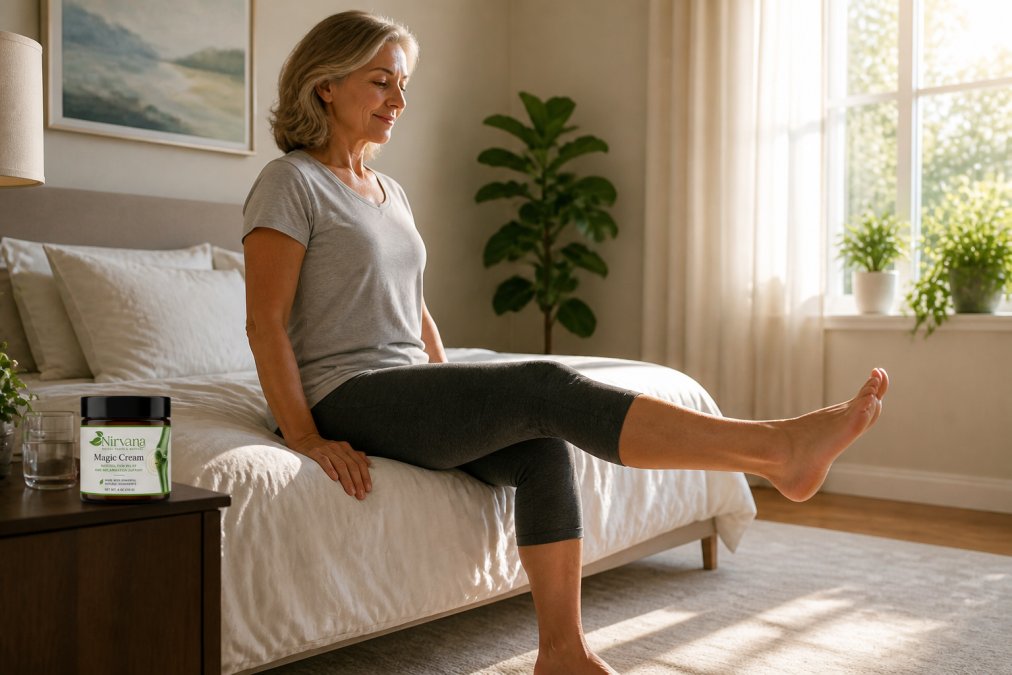
Sit on the edge of the bed and gently swing your legs back and forth for 30 seconds per leg. This dynamic movement further distributes synovial fluid.
Only after completing this 5-minute protocol should you stand and begin weight-bearing activity. This approach can help reduce the pain and stiffness most people experience when first getting out of bed.
Weight Management and Joint Protection
Every pound of excess body weight places approximately 4 pounds of additional stress on the knee joint during walking (peer-reviewed research). A 20-pound weight loss reduces knee stress by 80 pounds, a substantial reduction that directly decreases stiffness and pain.
Weight management doesn't require extreme measures. Moderate calorie reduction combined with increased movement provides steady, sustainable progress. Many people find that adding 30 minutes of daily movement (walking, swimming, cycling) while making modest dietary adjustments (reducing processed foods, increasing vegetables) leads to gradual weight loss that significantly improves knee function.
Strength training preserves muscle mass during weight loss, which is critical for joint protection. Muscle tissue metabolizes calories at higher rates than fat tissue, making strength training essential for sustainable weight management. The quadriceps muscles particularly protect the knee joint, making leg strengthening exercises doubly beneficial.
Ergonomic Adjustments for Daily Life
Prolonged sitting accelerates knee stiffness. If your work requires extended sitting, set a timer to stand and move for two minutes every 30 minutes. This brief movement prevents the stiffness that accumulates from hours of immobility.
When sitting, keep your knees at approximately 90 degrees. Chairs that are too high or too low place the knee in biomechanically stressed positions. Adjust your chair height so your feet rest flat on the floor and your thighs are parallel to the ground.
Avoid crossing your legs while sitting. This position rotates the knee and places stress on joint structures. Keep both feet on the floor or use a footrest to maintain neutral knee alignment.
When sleeping, place a pillow between your knees if you sleep on your side. This maintains proper knee alignment and reduces nighttime stiffness. Back sleepers should place a pillow under the knees to support the natural curve of the joint.
Climbing stairs places high stress on the knee. When possible, use elevators or ramps. When stairs are unavoidable, climb slowly and deliberately, leading with the stronger leg on the way up and the weaker leg on the way down.
When to See a Doctor for Knee Pain
Certain symptoms indicate that professional evaluation is necessary. If you experience sudden severe pain, significant swelling, instability (the knee feels like it might give out), or locking (the knee gets stuck in one position), seek medical evaluation promptly. These symptoms may indicate structural damage requiring professional treatment.
Persistent pain that doesn't improve with conservative management over 4-6 weeks warrants professional assessment. A doctor can rule out underlying conditions like osteoarthritis, meniscal tears, or other structural problems.
Knee pain accompanied by fever, redness, or warmth may indicate infection and requires immediate medical attention. These symptoms suggest septic arthritis, a serious condition requiring antibiotics.
If you have a history of knee injury or previous surgery, professional guidance is particularly important. Previous structural damage may require modified approaches to exercise and activity management.
Managing Chronic Knee Stiffness with the Right Support
Chronic knee stiffness often improves dramatically with consistent application of the strategies outlined above, but supplemental support can accelerate relief. Nirvana Magic Cream, a natural pain relief cream formulated with herbal ingredients, provides fast-acting support for joint discomfort. Applied directly to the knee, it works within 15-20 minutes and can be used multiple times daily as needed.

Many people find that combining topical support like Nirvana Magic Cream with the movement and habit strategies described here produces noticeable relief than either approach alone. The cream supports the joint while you perform exercises and daily activities, creating a comprehensive approach to managing knee stiffness.
Nirvana Magic Cream costs $24.99 and is available at Nirvana Wellness Store. Unlike many pain relief products that require frequent reordering, many customers find that one jar lasts 4-6 weeks with regular use, making it a cost-effective addition to your joint health routine.
The combination of movement, heat therapy, nutritional support, and targeted topical relief addresses knee stiffness from multiple angles. This multi-faceted approach is why people consistently report significant improvement in how to manage knee stiffness after 40 within 4-8 weeks of consistent effort.
Managing knee stiffness after 40 is entirely achievable through consistent movement, strategic daily habits, and targeted support. The exercises and protocols described here have helped countless people regain joint mobility and reduce pain perception. Start with the morning warm-up protocol and heel slides, add one low-impact activity you enjoy, and apply heat therapy consistently. Within two weeks, you should notice meaningful improvement. For faster, more substantial relief, combine these approaches with Nirvana Magic Cream, a natural pain relief option designed specifically for joint discomfort. The investment in consistent joint care now prevents significantly greater mobility loss later.
Frequently Asked Questions
Q: Why do my knees feel stiff after 40?
A: Knee stiffness after 40 occurs due to natural changes in cartilage, reduced synovial fluid production, and decreased collagen in joints. Years of weight-bearing activities, sedentary periods, and muscle weakness compound these changes. Inflammation control becomes harder as you age, and joint alignment may shift slightly. Regular movement, strength training, and proper nutrition can slow this progression significantly.
Q: What exercises for knee stiffness work best?
A: Low-impact exercises like heel slides, straight leg raises, and walking improve range of motion without stressing your joints. Swimming and water aerobics reduce weight-bearing strain while building quadriceps and hamstring flexibility. Perform 10-15 repetitions of each exercise 3-4 times weekly. Consistency matters more than intensity. Avoid high-impact activities like running or jumping until stiffness improves. Always warm up for 5-10 minutes before exercising.
Q: What natural remedies for joint pain actually work?
A: Heat therapy increases blood flow and reduces myofascial tension, while foam rolling addresses muscle tightness around the knee. Nutritional support through collagen, omega-3 fatty acids, and anti-inflammatory foods supports cartilage health. Topical pain relief creams like Nirvana Magic Cream ($24.99) provide fast-acting relief using natural ingredients. These methods work best when combined with exercise and weight management rather than used alone.
Q: When should I see a doctor for knee pain?
A: Seek medical attention if knee pain persists beyond 2-3 weeks, involves significant swelling, limits your ability to walk, or follows an injury. Chronic pain that worsens despite home care, unexplained stiffness with fever, or pain accompanied by instability requires professional evaluation. A healthcare provider can rule out tendonitis, ligament damage, or advanced cartilage degradation. Early intervention prevents complications and guides your treatment plan.
This article was written using GrandRanker