


Table of Contents
- Understanding Hair Thinning: Causes of Hair Thinning in Women
- 1. Scalp Massage for Hair Thinning: Stimulate Follicles Naturally
- 2. Essential Oils for Hair Growth and Scalp Health
- 3. Topical Serums and Leave-In Tonics for Hair Density
- 4. Nutrient-Rich Diet and Vitamin Supplementation
- 5. Botanical Extracts: Aloe Vera and Green Tea for Scalp Health
- 6. DHT-Blocking Supplements for Hormonal Hair Loss
- 7. Natural Shampoos and Scalp Tonics for Daily Care
Last Updated: August 11, 2026
Understanding Hair Thinning: Causes of Hair Thinning in Women
Hair thinning affects millions of women, with causes ranging from hormonal shifts to nutritional deficiencies and scalp health issues. Understanding your specific trigger is the first step toward choosing effective natural scalp treatments. At Nirvana Wellness Store, we've seen how personalized approaches deliver better results than one-size-fits-all solutions.

The hair growth cycle has three phases: anagen (active growth, 2-7 years), catagen (transition, 2-3 weeks), and telogen (resting, 2-3 months). Visible thinning occurs when hair spends too long in the telogen phase or follicles shrink.
Hormonal vs. Nutritional Hair Loss
Hormonal hair loss and nutritional hair loss require different strategies. Hormonal thinning results from DHT sensitivity, thyroid imbalances, or postpartum shifts, responding well to DHT-blocking supplements and adaptogens. Nutritional hair loss develops gradually from deficiencies in iron, zinc, biotin, or essential fatty acids, responding best to targeted supplementation and dietary improvements. The distinction matters because treating hormonal loss with only vitamins won't address the root cause.
1. Scalp Massage for Hair Thinning: Stimulate Follicles Naturally
Scalp massage increases blood flow to hair follicles, delivering oxygen and nutrients to the dermal papilla. Regular massage stimulates follicle activity and shifts more hairs into the active anagen phase. This accessible treatment requires no equipment.

Use your fingertips with gentle to moderate pressure in circular motions, starting at your hairline and working backward. A proper scalp massage takes 10-15 minutes and should feel relaxing, not painful.
Electric scalp massagers like the Breo Scalp Mini Massager ($99.99) offer convenience for those with limited hand mobility, but manual massage costs nothing and requires no learning curve.
2. Essential Oils for Hair Growth and Scalp Health
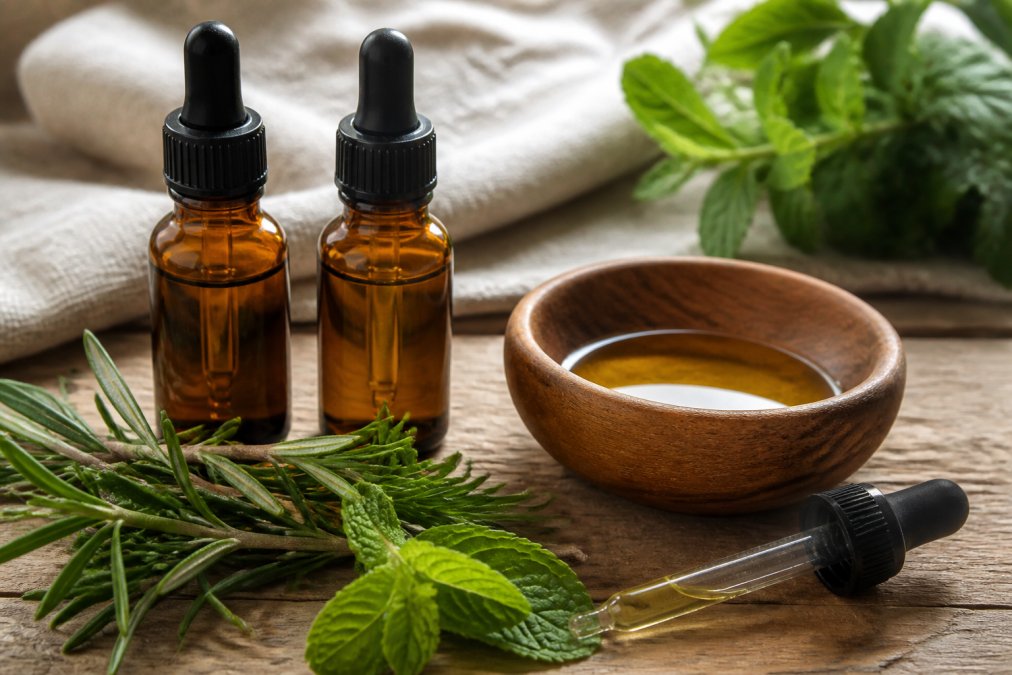
Essential oils contain concentrated plant compounds that penetrate the scalp and stimulate circulation. Rosemary oil is the most research-backed option, with peppermint, lavender, and cedarwood also supporting scalp health.
Rosemary Oil: The Science-Backed Standard
Rosemary oil increases blood flow to the scalp and may activate growth factors in the dermal papilla. Users report visible results within 3-6 months of consistent application. Dilute 2-3 drops of rosemary oil per tablespoon of carrier oil (coconut, jojoba, or argan). Never apply essential oils directly to your scalp.
NOW Foods Rosemary Essential Oil ($10.99 for 1 fl oz) offers a pure option for DIY blends. Mielle Organics Rosemary Mint Scalp & Hair Strengthening Oil ($9.99) combines rosemary with peppermint, biotin, and 30+ nutrients. Kitsch Rosemary Oil for Hair Growth ($19.00) focuses on scalp health and dandruff relief.
How to Apply Essential Oils Safely
Start with a patch test behind your ear and wait 24 hours. Apply diluted oil to the scalp using a dropper bottle, massage for 2-3 minutes, and leave on for at least 30 minutes. Overnight application delivers maximum benefit. Apply 3-4 times weekly initially, then assess results.
3. Topical Serums and Leave-In Tonics for Hair Density
Hair density serums target the scalp with peptides and botanical extracts. Unlike oils, serums are lightweight and water-based, ideal for daily use without greasiness.
Elina Organics Organic Hair Growth Serum ($57.00) uses bio-energized organic extracts of birch and nettle alongside silk peptides to improve scalp microcirculation. Apply daily to damp scalp and leave in.
The Ordinary Multi-Peptide Serum for Hair Density ($22.00) delivers three clinically-backed peptide complexes that improve hair thickness. This water-based formula works well under other products. Use once daily on clean scalp.
Indara Naturals 100% Organic Extra Strength Hair Growth Oil ($39.99) contains 20 organic oils including Hawaiian Sandalwood Oil, shown to regrow hair clinically. Apply 2-3 times weekly, leaving on for at least 2 hours or overnight.
Serums absorb quickly and layer well; oils provide deeper nourishment but require more time. Results typically appear after 3-6 months of consistent use.
4. Nutrient-Rich Diet and Vitamin Supplementation
Hair follicles demand consistent nutrient delivery. Iron, zinc, biotin, vitamin D, and essential fatty acids are essential for healthy hair growth. Iron deficiency causes telogen effluvium, where hair prematurely enters the resting phase. Zinc supports follicle protein synthesis. Biotin strengthens the hair shaft. Vitamin D regulates the hair growth cycle.
Start with a blood test to identify specific deficiencies. Targeted supplementation based on actual levels delivers better results than generic multivitamins.
MDhair Regrowth Hair Wellness Supplements ($38.00 monthly subscription) address multiple pathways simultaneously with natural DHT blockers like Saw Palmetto and Nettle Leaf Extract, adaptogens like Ashwagandha, and essential nutrients including Biotin, Zinc, and Copper.
Incorporate fatty fish for omega-3s, spinach and legumes for iron, pumpkin seeds for zinc, and eggs for biotin and choline.
5. Botanical Extracts: Aloe Vera and Green Tea for Scalp Health
Aloe vera soothes inflammation, reduces sebum buildup, and hydrates the scalp barrier. Green tea provides antioxidants that reduce oxidative stress, a known contributor to hair loss.
Aloe vera gel applied directly to the scalp calms irritation and supports a healthy microbiome. The scalp microbiome influences hair health, and dysbiosis triggers inflammation and follicle dysfunction. Aloe vera's antimicrobial properties restore balance without stripping beneficial bacteria.
Green tea works internally and externally. Drinking green tea provides catechins that inhibit DHT and reduce oxidative stress. Topical green tea extracts improve scalp circulation and reduce inflammation.
100% Pure Honey & Virgin Coconut Restorative Shampoo ($28.00) combines coconut oil for moisture, honey for antimicrobial protection, and pro-vitamin B5 for strand strength. Use daily as part of your routine.
6. DHT-Blocking Supplements for Hormonal Hair Loss
DHT (dihydrotestosterone) sensitivity causes pattern hair loss in genetically predisposed individuals by shrinking hair follicles. If hormonal testing confirms elevated DHT or you have a family history of pattern hair loss, DHT-blocking supplements offer a natural alternative to prescription medications.
Saw Palmetto is the most studied natural DHT inhibitor, blocking the enzyme 5-alpha reductase. Nettle Leaf Extract works similarly with anti-inflammatory benefits. Pygeum Bark Extract supports scalp health. Expect 4-6 months before noticeable improvement.
MDhair Regrowth Hair Wellness Supplements include all three DHT blockers alongside adaptogens like Ashwagandha and Reishi mushroom to address stress-related hair loss. Stress elevates cortisol, which accelerates hair loss in sensitive individuals.
Natural DHT blockers work more gradually than prescription finasteride but avoid potential side effects. You must continue supplementation to maintain benefits.
7. Natural Shampoos and Scalp Tonics for Daily Care
Your daily shampoo either supports or undermines hair health. Sulfate-based shampoos strip natural oils and disrupt the scalp microbiome. Gentle, botanical-based shampoos cleanse without damaging the scalp barrier.
Natural shampoos use plant-based cleansers like coconut-derived surfactants instead of sodium lauryl sulfate, with botanical extracts for scalp health. Expect 2-3 weeks for your scalp to adjust; initial greasiness is normal.
100% Pure Honey & Virgin Coconut Restorative Shampoo ($28.00) uses honey and coconut oil as primary cleansing agents. Pro-vitamin B5 strengthens the hair shaft, reducing breakage. Use daily to support scalp and hair health.
Scalp tonics are lightweight leave-in products that nourish between washes, typically containing essential oils, botanical extracts, and sometimes caffeine. Apply to damp scalp after shampooing, massage gently, and leave in. Use 2-3 times weekly for maintenance or daily during intensive treatment.
| Treatment | Best For | Frequency | Timeline to Results |
|---|---|---|---|
| Scalp massage | All types of thinning | Daily (5-15 min) | 2-3 months |
| Essential oils | Circulation and scalp health | 3-4x weekly | 3-6 months |
| Topical serums | Hair density and thickness | Daily | 3-6 months |
| Supplements | Hormonal and nutritional loss | Daily | 4-6 months |
| Botanical extracts | Scalp inflammation and microbiome | Daily (in shampoo) | 2-3 months |
| DHT blockers | Pattern and hormonal hair loss | Daily | 4-6 months |
| Natural shampoos | Foundation for scalp health | Daily | 2-3 weeks adjustment |
Hair thinning responds best to a layered approach addressing multiple causes simultaneously. If managing hormonal shifts alongside nutritional gaps, combine DHT-blocking supplements with scalp massage and a nutrient-dense diet for better results than any single treatment. Start with foundations, scalp massage and gentle shampoo, then add targeted treatments based on your specific thinning type. Nirvana Wellness Store's Hair Growth Oil ($34.99) combines rosemary, peppermint, and botanical extracts to stimulate follicles and improve scalp circulation. The Double Pack ($64.99) suits those committed to consistent application over the 3-6 month timeline. Consistency matters more than intensity; daily five-minute routines outperform sporadic intensive treatments. Give any natural scalp treatments at least three months before assessing effectiveness, as the hair growth cycle operates on this timeline.

Frequently Asked Questions
What vitamin are you lacking if your hair is thinning?
Hair thinning often signals deficiencies in biotin, iron, zinc, vitamin D, or B vitamins. Biotin supports hair shaft thickness, while iron carries oxygen to follicles and zinc regulates sebum production and follicle health. Vitamin D deficiency is particularly common in women experiencing thinning. A blood test can confirm specific deficiencies, and targeted supplementation, whether through diet or supplements, can restore hair density over 3-6 months.
How often should you apply scalp treatments for thinning?
Most natural scalp treatments work best with consistent, regular application. Topical oils and serums should be applied 2-3 times weekly, while leave-in tonics can be used daily. Scalp massage is effective 2-3 times per week for 5-10 minutes. Supplements require daily intake. Results typically appear after 8-12 weeks of consistent use, so patience and adherence matter more than frequency.
Can thinning hair be reversed naturally?
Yes, but results depend on the cause and how early you intervene. Nutritional deficiencies, stress-related shedding, and scalp health issues respond well to natural treatments. Hormonal hair loss (like androgenetic alopecia) requires longer-term commitment and DHT-blocking supplements or oils. Early-stage thinning reverses faster than advanced loss. Combining scalp massage, essential oils, targeted nutrition, and topical treatments increases success rates significantly.
Which essential oils are best for hair growth?
Rosemary oil is the most research-backed option, with studies showing it rivals minoxidil for stimulating follicle activity. Peppermint oil boosts scalp circulation, while lavender reduces stress-related shedding. Cedarwood strengthens the hair shaft, and chamomile soothes scalp inflammation. Always dilute essential oils in a carrier oil (coconut, jojoba, or argan) before applying to avoid irritation. Combine 2-3 oils for broader benefits.
What are the big 3 for thinning hair?
The foundational three treatments are: (1) scalp massage to stimulate blood flow and follicle activation, (2) topical application of growth-promoting oils or serums to nourish follicles directly, and (3) internal nutritional support through diet or supplements to address deficiencies. This three-pronged approach targets thinning from multiple angles, circulation, topical nourishment, and systemic health, maximizing the chance of visible regrowth.
This article was written using GrandRanker