


Table of Contents
- What Are Organic Scalp Serums and How Do They Work?
- Best Organic Serums for Scalp Health by Concern
- Key Ingredients to Look For in Organic Scalp Serums
- How to Apply Organic Scalp Serums for Maximum Benefit
- Common Scalp Issues and How Organic Serums Address Them
- Long-Term Efficacy and Clinical Evidence for Organic Formulas
- DIY Organic Scalp Serum Recipes and Ethical Sourcing
- Conclusion: Finding Your Ideal Organic Scalp Serum
Last Updated: July 26, 2026
When searching for the best organic serums for scalp health, most people focus on surface-level benefits without understanding what actually drives results. At Nirvana Wellness Store, we've analyzed scalp health formulations to identify which organic serums genuinely deliver measurable improvements versus those that rely on marketing hype alone. The difference comes down to ingredient quality, application science, and realistic timelines for seeing results.
This guide covers everything you need to know about selecting and using the best organic serums for scalp health, including specific product recommendations, key ingredients that matter, application techniques, and why organic formulations approach scalp care differently than conventional alternatives.
What Are Organic Scalp Serums and How Do They Work?
A scalp serum is a concentrated liquid treatment formulated to penetrate the scalp and hair follicles, delivering active botanical compounds directly to where they're needed most. Unlike shampoos and conditioners that coat the hair shaft, serums work at the root level to address underlying scalp concerns.
Organic scalp serums use plant-derived ingredients without synthetic additives, pesticides, or harsh chemical processing. According to research on botanical scalp treatments from the Journal of Cosmetic Dermatology, plant-based scalp treatments show measurable improvements in scalp microbiome balance within 4-6 weeks of consistent use.
The Science Behind Scalp Serums
The scalp operates as a living ecosystem with its own microbiome, a community of beneficial bacteria and fungi that maintain healthy skin pH and protect against irritation. When this balance is disrupted, inflammation, dryness, oiliness, and hair shedding follow.
Organic scalp serums work through several mechanisms. Botanical extracts contain polyphenols and antioxidants that reduce inflammation at the follicle level. Peptides and amino acids strengthen the hair shaft and support collagen production in the scalp tissue. Hydrating compounds like hyaluronic acid and plant-based glycerin draw moisture into the scalp, while antimicrobial botanicals like tea tree oil help rebalance the microbiome without disrupting beneficial flora.
The key difference from conventional serums: organic formulations rely on these natural mechanisms rather than silicones, sulfates, or synthetic preservatives that can temporarily improve appearance while potentially worsening underlying scalp health over time.
Why Organic Matters for Scalp Health
The scalp absorbs whatever you apply to it more readily than other skin on your body. Synthetic preservatives, phthalates, and parabens commonly found in conventional serums can disrupt the scalp microbiome over time. Sulfates strip away natural oils, triggering the scalp to overproduce sebum in compensation. Silicones create buildup that blocks nutrient absorption at the follicle level.
Organic serums avoid these pitfalls by using natural preservation systems, plant-based cleansing agents, and formulations that work with your scalp's natural biology. This matters especially if you're dealing with chronic scalp issues like dandruff, persistent dryness, or hair thinning.
Best Organic Serums for Scalp Health by Concern
Different scalp conditions require different active ingredients and formulation approaches.
For Thinning Hair and Hair Growth
Hair thinning typically signals reduced blood flow to follicles, weakened follicle structure, or early-stage follicle miniaturization. Organic serums targeting growth focus on increasing scalp circulation and strengthening the follicle itself.
Nirvana Hair Growth Oil ($34.99 for 2oz) combines rosemary oil, which has demonstrated effects on follicle stimulation, with peptides that reinforce the hair shaft structure and adaptogens that support the body's stress response. The Nirvana Hair Oil Double Pack ($64.99) provides a two-month supply at a more economical price point. Consistency matters with growth serums; results typically appear between weeks 8-12 of daily application.
Key ingredients to verify: rosemary oil, caffeine (increases circulation), peptides (strengthen follicles), and ginger extract (anti-inflammatory support for the follicle base).
For Dry Scalp and Irritation
Dry scalp differs from dry hair. A dry scalp feels tight, may flake, and often itches intensely, signaling compromised moisture barrier function.
Organic serums for dry scalp prioritize hydration compounds and soothing botanicals. Hyaluronic acid draws moisture into the scalp tissue itself. Aloe vera and chamomile reduce inflammation that exacerbates dryness. Jojoba oil mimics the scalp's natural sebum, making it ideal for moisture-barrier repair without triggering overproduction. Most work best when applied 2-3 times weekly rather than daily, allowing the scalp to rebalance between applications.
For Oily Scalp and Dandruff
Oily scalp and dandruff often occur together because excess sebum creates an environment where Malassezia yeast overgrows, triggering inflammation and flaking.
Organic serums addressing oily scalp focus on regulating sebum production through niacinamide or salicylic acid derived from willow bark, and rebalancing the scalp microbiome through antimicrobial botanicals like tea tree oil and red clover. Avoid using heavy oils on oily scalp; effective serums use lightweight, non-comedogenic bases. Dandruff-specific serums should contain salicylic acid combined with antimicrobial botanicals like tea tree oil, ginger extract, or apple cider vinegar.
Key Ingredients to Look For in Organic Scalp Serums
Understanding which botanicals and compounds actually impact scalp health separates effective serums from expensive placebos.
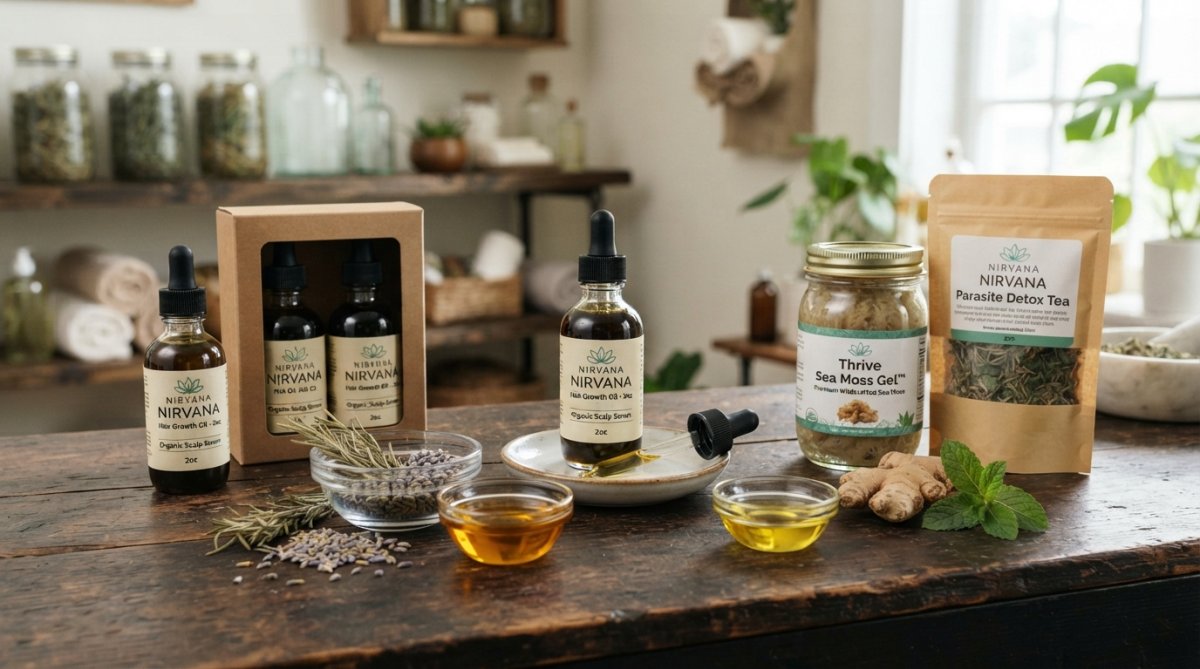
Powerhouse Botanicals: Rosemary Oil, Tea Tree, and Ginger
Rosemary oil stands out because it's one of the few botanical ingredients with consistent research demonstrating effects on hair follicles. Studies show rosemary stimulates blood flow to the scalp and may increase follicle size. Serums should list rosemary oil in the top five ingredients.
Tea tree oil functions as a natural antimicrobial without the broad-spectrum killing action of synthetic preservatives. It specifically targets Malassezia yeast while preserving beneficial bacteria. However, tea tree oil can irritate sensitive scalps if used undiluted, so effective serums dilute it appropriately or combine it with soothing ingredients.
Ginger extract works primarily as an anti-inflammatory, reducing the scalp irritation that drives both excessive oil production and dryness. It also supports circulation and is gentle enough for sensitive scalps.
Hydrating and Soothing Compounds
Hyaluronic acid is a humectant that draws moisture from the air and deeper skin layers into the outer scalp surface. In serums, it works best at concentrations between 0.5-2%.
Aloe vera provides both hydration and soothing compounds called polysaccharides that reduce inflammation. Jojoba oil is chemically similar to human sebum, making it the most compatible oil for scalp application. Unlike coconut oil or argan oil, jojoba absorbs quickly and actually helps regulate sebum production.
Niacinamide (vitamin B3) reduces sebum production without over-drying the scalp, particularly effective for oily scalp concerns.
Performance Peptides and Bioactive Extracts
Peptides are short chains of amino acids that signal hair follicles to strengthen and potentially increase growth. Look for serums that specify the type (copper peptides, dipeptide, or tripeptide) rather than just listing "peptides" vaguely.
Red clover extract contains isoflavones that may inhibit DHT, a hormone linked to hair loss in genetically predisposed individuals. Caffeine increases blood flow to the scalp and may stimulate follicle activity, particularly effective when combined with other growth-supporting ingredients like rosemary or peptides.
How to Apply Organic Scalp Serums for Maximum Benefit
Application technique directly impacts results. Incorrect application wastes product and reduces effectiveness.
Application Techniques and Frequency
Start with clean, damp hair. Part your hair into 4-6 sections using clips. Apply the serum directly to the scalp in each section using the applicator tip or your fingertips, working in small amounts rather than pouring the entire product onto one spot. Massage the serum into the scalp using circular motions with your fingertips for 2-3 minutes.
Frequency depends on the serum's formulation and your scalp condition. Growth serums and lightweight hydrating serums work best with daily application. Heavier oils and intensive treatments perform better at 2-3 times weekly. Dandruff-focused serums typically require daily or every-other-day application for the first 2-3 weeks, then can be reduced to 2-3 times weekly for maintenance.
Combining Serums with Other Hair Treatments
Scalp serums work well alongside other hair treatments, but timing matters. If you're using both a scalp serum and a leave-in conditioner, apply the serum first (directly to scalp), then apply conditioner to the hair lengths only. If you're using a medicated shampoo for dandruff, apply the serum after shampooing when the scalp is clean and receptive.
Common Scalp Issues and How Organic Serums Address Them
Inflammation, Shedding, and Hair Density
Excessive shedding often signals scalp inflammation rather than genetic hair loss. When the scalp is inflamed, the follicle base weakens and hair releases prematurely. This is reversible with proper treatment.
Organic serums addressing inflammation focus on anti-inflammatory botanicals (ginger, chamomile, turmeric extract) and compounds that support the scalp's natural healing response. Within 3-4 weeks of consistent use, shedding typically decreases as inflammation resolves. Hair density improves through serums that strengthen follicles and increase blood flow, though results take 8-12 weeks to become visible.
Scalp Microbiome Balance and Long-Term Hair Aging
The scalp microbiome directly influences long-term hair health. Organic serums that support microbiome balance use selective antimicrobials (tea tree oil, rosemary) that target problem organisms without destroying beneficial bacteria. They also include prebiotic compounds that feed beneficial microbes, actively restoring balance.
Hair aging occurs as follicles gradually miniaturize and produce thinner, shorter hairs. Organic serums containing antioxidants and anti-inflammatory compounds slow this aging process. Consistent long-term use is crucial.
Long-Term Efficacy and Clinical Evidence for Organic Formulas
What Research Shows About Natural Ingredients
Rosemary oil has been studied specifically for hair growth. Research from the International Journal of Cosmetic Science found that rosemary oil applied topically increased hair follicle size and showed effects comparable to minoxidil for certain types of hair loss. Results appeared at 6 months rather than 3 months, but were sustained.
Tea tree oil demonstrates antimicrobial effectiveness against Malassezia yeast in multiple studies, supporting its use for dandruff and scalp irritation. Peptides show consistent results in clinical settings for strengthening hair and potentially supporting growth, with studies showing increased hair shaft diameter and reduced breakage within 8-12 weeks of consistent application.
Realistic Timelines for Results
Anti-inflammatory effects typically appear within 2-3 weeks; scalp itching reduces, flaking decreases, and overall comfort improves. Hair shedding reduction usually appears by week 4-6 as inflammation resolves. Hair growth and density improvement require 8-12 weeks minimum. Long-term improvements in hair aging, microbiome health, and follicle resilience continue improving through months 3-6 and beyond.
DIY Organic Scalp Serum Recipes and Ethical Sourcing
For those preferring complete control over ingredients, homemade scalp serums offer transparency and cost savings.
Simple Homemade Recipes Using Natural Ingredients
Basic Growth Serum (for thinning hair):
- 2 tablespoons jojoba oil (base)
- 8-10 drops rosemary essential oil
- 4-5 drops peppermint essential oil
- 2-3 drops cedarwood essential oil
Mix in a dark glass bottle and shake before each use. Apply 2-3 times weekly. Cost per application is significantly lower than commercial serums, though shelf life is shorter (use within 3 months).
Anti-Inflammatory Serum (for irritation and dryness):
- 2 tablespoons aloe vera gel (or juice)
- 1 tablespoon jojoba oil
- 1/2 teaspoon raw honey (optional, for additional soothing)
- 3-4 drops chamomile essential oil
- 2 drops lavender essential oil
Combine in a bottle and shake well before use. Apply 2-3 times weekly.
Dandruff-Fighting Serum:
- 2 tablespoons apple cider vinegar (raw, unfiltered)
- 1 tablespoon water
- 6-8 drops tea tree oil
- 3-4 drops ginger essential oil
Mix and apply to scalp sections, leaving on for 15-20 minutes before rinsing. Use 1-2 times weekly. Results typically appear within 2-3 weeks.
Environmental Impact and Sustainable Sourcing
Organic serums reduce environmental harm compared to conventional products by avoiding synthetic pesticides that contaminate groundwater and using natural preservatives that biodegrade rather than persisting in waterways. Look for serums (or ingredients for DIY formulations) from suppliers who specify organic certification, fair trade certification for international ingredients, and transparent supply chains.
Conclusion: Finding Your Ideal Organic Scalp Serum
The best organic serums for scalp health address your specific concern with properly concentrated active ingredients, backed by realistic timelines and consistent application. Whether you choose a commercial formula like Nirvana's Hair Growth Oil or create your own blend, the key is understanding what your scalp actually needs rather than following generic recommendations.
Finding the right scalp serum requires matching your specific concern to the right ingredient profile, then committing to consistent use for 8-12 weeks before expecting visible results. Nirvana Wellness Store's curated selection of organic hair serums, including the Nirvana Hair Growth Oil and Nirvana Hair Oil Double Pack, provides formulations designed with these timelines and ingredient concentrations in mind. Start with a clear understanding of whether your primary concern is growth, hydration, oil control, or inflammation, then select a serum formulated specifically for that goal. Continue shopping and experience how targeted organic serum care transforms not just how your hair looks, but how your scalp actually functions.
| Scalp Concern | Best Ingredient Focus | Application Frequency | Timeline for Results |
|---|---|---|---|
| Thinning Hair | Rosemary oil, peptides, caffeine | Daily | 8-12 weeks |
| Dry Scalp | Hyaluronic acid, aloe vera, jojoba oil | 2-3 times weekly | 2-3 weeks |
| Oily Scalp | Niacinamide, tea tree oil, willow bark | Daily | 3-4 weeks |
| Dandruff | Salicylic acid, tea tree oil, ginger | Daily or every other day | 2-3 weeks |
| General Inflammation | Ginger extract, chamomile, turmeric | 2-3 times weekly | 2-4 weeks |
Frequently Asked Questions
What are the best organic serums for scalp health, and how do they differ from conventional products?
The best organic serums for scalp health use botanical extracts, natural peptides, and plant-based ingredients like rosemary oil, tea tree oil, and hyaluronic acid instead of synthetic chemicals. Organic formulas typically avoid sulfates, parabens, and silicones, making them gentler on the scalp microbiome. They work by reducing inflammation, improving circulation, and strengthening hair follicles without harsh additives that can disrupt scalp balance over time.
How long does it take to see results from organic scalp serums?
Most users notice initial improvements in scalp hydration and reduced irritation within 2-4 weeks of consistent use. However, visible changes in hair density, reduced shedding, and stronger hair growth typically require 8-12 weeks of regular application. Results vary based on the specific concern, oily scalp issues often improve faster than hair regrowth, which depends on the hair growth cycle and follicle health restoration.
Can organic scalp serums interact with other hair treatments or medications?
Most organic serums are safe to combine with standard hair treatments, but certain ingredients may interact with prescription medications or topical treatments. For example, high concentrations of ginger extract or salicylic acid could amplify effects if you're using medicated scalp treatments. Always patch-test new serums and consult a dermatologist if you're using prescription hair loss treatments, antihistamines, or have sensitive skin conditions before adding serums to your routine.
What makes Nirvana Hair Growth Oil a good choice for scalp health?
Nirvana Hair Growth Oil is a carefully crafted botanical blend designed to support healthy hair from the root. Available as a single 2oz bottle ($34.99) or Double Pack ($64.99), it combines natural ingredients to address scalp health and promote stronger hair growth. The formula is lightweight and non-greasy, making it suitable for regular use as part of your daily scalp care routine without buildup or residue.
Are there certifications or standards I should look for when choosing organic scalp serums?
Look for third-party certifications like USDA Organic, EWG Verified, or Leaping Bunny (cruelty-free). Check ingredient labels for sulfate-free, paraben-free, and silicone-free claims. Transparent sourcing information and sustainability practices indicate ethical production. Be wary of products labeled 'natural' without certification, this term is unregulated. Reputable brands like Nirvana Wellness Store clearly disclose their ingredient sourcing and formulation standards.
This article was written using GrandRanker