


Table of Contents
- What You'll Need to Start Reducing Inflammation
- Foods That Fight Inflammation: Your Daily Plate
- Foods to Avoid: What Fuels Chronic Inflammation
- Natural Supplements for Inflammation: What Works and What to Skip
- Lifestyle Habits to Lower Inflammation
- How to Track Inflammation Markers at Home
- A Simple 7-Day Meal Planning Template to Reduce Inflammation
- Common Mistakes to Avoid When You Reduce Inflammation Naturally
- Frequently Asked Questions
Last Updated: September 13, 2026
What You'll Need to Start Reducing Inflammation
Reducing inflammation in the body naturally starts with three things: a plant-forward plate, consistent sleep and movement, and a way to tell whether your changes are actually working. This guide walks through each one, step by step, without the vague "eat more vegetables" advice that fills most articles on the subject.
Chronic inflammation is a sustained immune system response that quietly damages tissue over years, unlike the short-lived swelling after a sprained ankle (peer-reviewed research). It shows up as joint stiffness, fatigue, and stubborn bloodwork numbers rather than a visible injury. The good news: diet and daily habits move those numbers more than most people expect.
Below, we'll show you exactly how to build the plate, the routine, and the tracking system. But first, here's what most guides get wrong: they treat anti-inflammatory eating as a list of superfoods instead of a pattern you repeat weekly.
Foods That Fight Inflammation: Your Daily Plate
The most effective anti-inflammatory plate is built around whole foods that fight inflammation through fiber, healthy fats, and antioxidants rather than any single ingredient. Aim for half your plate as vegetables and fruit, a quarter as whole grains or legumes, and a quarter as plant-based or fish protein.
The compounds doing the work have names worth knowing:
- Omega-3 fatty acids in salmon, sardines, and walnuts lower inflammatory signaling
- Antioxidants and phytonutrients in berries, leafy greens, and colorful produce reduce oxidative stress
- Fiber in legumes and whole grains feeds the gut microbiome, which regulates systemic inflammation
The Mediterranean Pattern and Why It Works
The Mediterranean dietary pattern is the best-studied approach for lowering inflammation because it combines all three mechanisms at once (peer-reviewed research). Olive oil, fish, nuts, legumes, and vegetables deliver monounsaturated fats and omega-3s together, which is more effective than isolating any one nutrient.

Adherence matters more than perfection. A Mediterranean-style week that you actually follow beats a strict plan you abandon by Thursday.
Budget-Friendly Anti-Inflammatory Shopping
Anti-inflammatory eating does not require fresh salmon four nights a week. Canned sardines, frozen berries, dried lentils, oats, and cabbage deliver the same nutrients at a fraction of the cost.
A practical budget list:
- Canned fish (sardines, tuna in olive oil)
- Frozen spinach and mixed berries
- Dried lentils, chickpeas, and black beans
- Rolled oats and brown rice
- Olive oil, garlic, turmeric, and ginger
Foods to Avoid: What Fuels Chronic Inflammation
The foods most strongly linked to chronic inflammation are processed foods, refined carbohydrates, and industrial seed oils high in omega-6. Trans fats and excess saturated fats also push the immune system toward a sustained inflammatory state.
The biggest offenders to cut back on:
- Sugary drinks and packaged snacks
- White bread, pastries, and refined grains
- Processed meats and fried fast food
- Alcohol beyond occasional use
Natural Supplements for Inflammation: What Works and What to Skip
Natural supplements for inflammation can help fill gaps, but they are not a substitute for diet, and they are not risk-free. This section provides a balanced, evidence-tiered look at what is commonly studied, what dose is often researched, and who should avoid each one.
Tier 1: Strongest Supporting Evidence
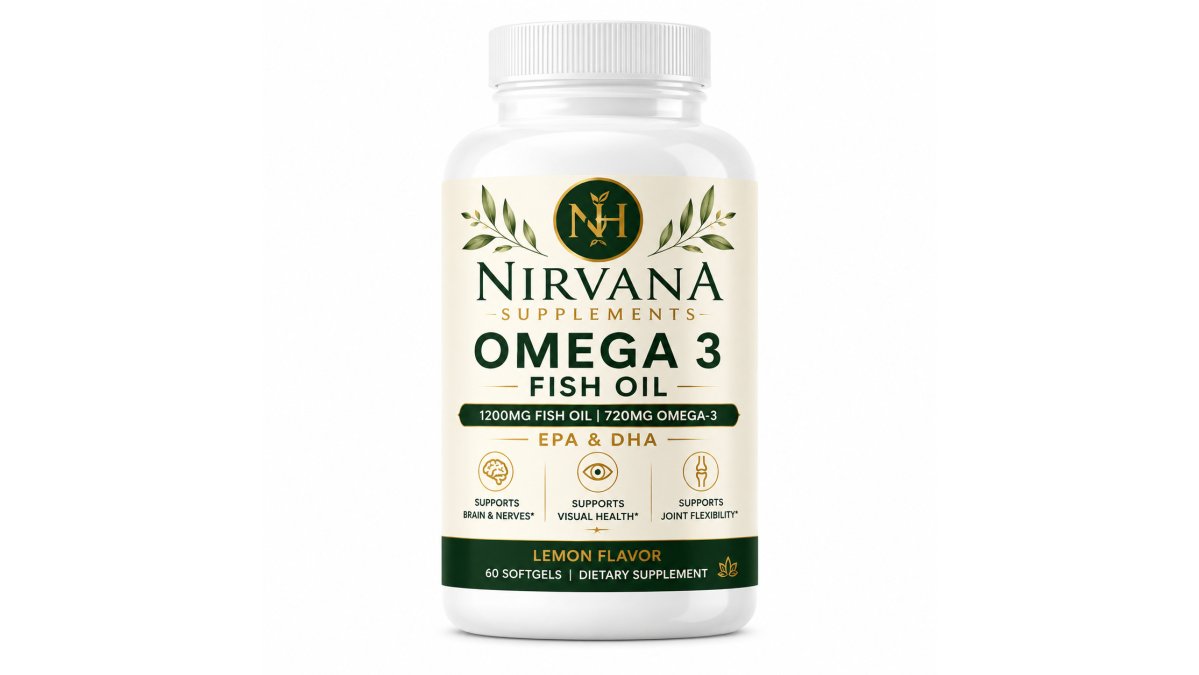
Omega-3 fatty acids (EPA + DHA). The most studied anti-inflammatory supplement. Commonly researched doses range from 1,000 to 3,000 mg of combined EPA and DHA per day (ods.od.nih.gov). Higher doses can thin the blood, so anyone on warfarin, apixaban, rivaroxaban, or daily aspirin should talk to their prescriber before starting. Look for a third-party testing mark (USP, NSF, or ConsumerLab) and check the label for actual EPA and DHA, not total fish oil weight.
Vitamin D3. Deficiency is common in northern latitudes and in people who spend most daylight hours indoors. A standard maintenance dose is 1,000-2,000 IU daily, but the right number depends on your blood level, ask your doctor for a 25-hydroxyvitamin D test rather than guessing. Vitamin D is fat-soluble and accumulates, so more is not better; very high doses can raise blood calcium.
Turmeric (curcumin). Curcumin is the active compound, and it is poorly absorbed on its own. Most studied formulations pair it with piperine (black pepper extract) or use a phospholipid delivery. Typical researched doses are 500-1,000 mg of curcuminoids daily. Curcumin can interact with blood thinners and may interfere with certain chemotherapy drugs, check with your oncologist if that applies.
Tier 2: Reasonable but Weaker Evidence
- Ginger: small studies suggest modest benefit for joint discomfort; generally safe at culinary and low supplemental doses.
- Green tea extract (EGCG): antioxidant support, but high-dose extracts have been linked to rare liver injury, food-form green tea is the safer choice.
- Boswellia: traditional use for joint comfort; evidence is promising but smaller than omega-3 or curcumin.
Tier 3: Skip Unless Your Doctor Says Otherwise
- Proprietary blend products that hide ingredient amounts
- "Inflammation detox" kits with no named active compounds
- High-dose antioxidant megadoses, which some research suggests can blunt the body's own adaptive response to exercise
How to Read a Supplement Label
Read the label for the actual EPA and DHA amounts, not the total "fish oil" figure. A bottle claiming 1,000 mg of fish oil may contain only 300 mg of combined EPA and DHA, which is a meaningful difference.
Check for a third-party testing mark, an expiration date, and a full ingredient list without proprietary blends. If the label hides the amounts, skip it. Also check the serving size, some labels list amounts "per 2 softgels" so the per-capsule dose is half what it appears.
Lifestyle Habits to Lower Inflammation
Lifestyle habits to lower inflammation matter as much as food, and sleep is the one most people neglect. Poor sleep raises cortisol levels, which in turn drives systemic inflammation and makes blood sugar harder to regulate. Consistent rest cycles also serve as a foundational pillar for those seeking to reduce thyroid inflammation by stabilizing the endocrine system against chronic stress.
Sleep, Stress, and Cortisol Levels
Adults generally do best with seven to nine hours of sleep, consistent timing, and a dark, cool room. Chronic stress keeps cortisol elevated, and elevated cortisol keeps inflammation switched on.
Stress management techniques that fit a real schedule:
- Ten minutes of slow breathing before bed
- A short daily walk outdoors
- Screen-free wind-down for the last 30 minutes
Movement, Hydration, and Blood Sugar Regulation
Regular physical activity improves insulin sensitivity, which lowers inflammation independently of weight. Hydration supports every metabolic process, and even mild dehydration raises stress hormones.
Aim for 150 minutes of moderate movement weekly, plus two strength sessions. Drink water steadily through the day rather than in one large burst.
How to Track Inflammation Markers at Home
You cannot measure C-reactive protein at home with a fingerstick the way you can check blood glucose, but you can track the signals that correlate with it, and you can ask for the right lab panel to confirm whether your changes are working. This step can help separate guessing from knowing.
The Blood Markers Worth Knowing
C-reactive protein (CRP). A protein the liver releases in response to inflammation. A standard CRP is useful for acute issues; the high-sensitivity version, hs-CRP, detects the low-grade chronic inflammation linked to cardiovascular risk. Many labs flag hs-CRP under 1.0 mg/L as lower risk, 1.0-3.0 mg/L as average, and above 3.0 mg/L as higher risk, but a single reading is noisy. Illness, a recent injury, or even a hard workout can spike it temporarily, so the trend over months matters more than any one number.
Erythrocyte sedimentation rate (ESR). An older, indirect marker. It rises with many conditions and is less specific than CRP, but doctors often order both together because they can diverge in certain autoimmune patterns.
Homocysteine. An amino acid tied to cardiovascular and neurological inflammation. Elevated levels are often addressed with B12, folate, and B6, but only after testing shows a deficiency, not blindly.
Fasting glucose and HbA1c. Blood sugar dysregulation drives inflammation independently of diet quality. Tracking these alongside CRP shows whether your plate changes are actually moving the metabolic needle.
Lipid panel with triglycerides and HDL. A high triglyceride-to-HDL ratio is a practical, low-cost proxy for insulin resistance and inflammatory risk.
What to Record Each Morning
Subjective tracking fills the gap between lab draws. Log these daily for two weeks before you judge any change:
| What to Track | How to Score It | What It Tells You |
|---|---|---|
| Morning stiffness | 0-10 scale | Joint inflammation trend |
| Energy level | 0-10 scale | Sleep and blood sugar response |
| Digestion | Normal / off | Gut microbiome response |
| Sleep hours | Number | Cortisol and recovery |
| Resting heart rate | Beats per minute | Recovery and systemic stress |
How to Ask for the Right Panel
At your next visit, ask your doctor for a hs-CRP, a fasting glucose and HbA1c, and a standard lipid panel. If you have joint symptoms, an ESR and possibly a rheumatoid factor or ANA may be appropriate. These are routine, inexpensive tests, most are covered by insurance when ordered for a clinical reason, and many labs offer them as cash-pay panels for under $100 if you are paying out of pocket.
Do not test during or right after an illness, a vaccination, or an intense training block. Wait at least two weeks of normal routine so the reading reflects your baseline, not a temporary spike.
Reading the Trend, Not the Number
A single hs-CRP of 2.4 mg/L means little on its own. A drop from 3.8 to 1.9 over three months while your stiffness score falls from 7 to 3 tells a real story. Take a baseline, make one or two changes at a time, and retest at 8-12 weeks. That cadence is what turns "I think I feel better" into evidence you and your doctor can act on.
A Simple 7-Day Meal Planning Template to Reduce Inflammation
A repeatable weekly template beats a new recipe every night. Fill in the slots below and rotate the same structure each week.
| Day | Breakfast | Lunch | Dinner |
|---|---|---|---|
| Monday | Oats, berries, walnuts | Lentil soup, greens | Baked salmon, broccoli |
| Tuesday | Greek yogurt, seeds | Chickpea salad | Chicken, roasted vegetables |
| Wednesday | Oats, banana, almond butter | Sardines on whole grain | Lentil curry, brown rice |
| Thursday | Eggs, spinach | Quinoa bowl | Grilled fish, cabbage |
| Friday | Smoothie, flax | Bean salad | Turkey, sweet potato |
| Saturday | Oats, blueberries | Leftover curry | Salmon, asparagus |
| Sunday | Eggs, avocado | Vegetable soup | Chickpeas, greens, olive oil |
Batch-cook two grain bases and one pot of legumes on Sunday. Having them ready removes the decision fatigue that sends most people back to takeout by Wednesday.
Common Mistakes to Avoid When You Reduce Inflammation Naturally
The most common mistake is expecting results in three days. Dietary changes shift inflammatory markers over weeks, not hours, and quitting early is why most people conclude "nothing works."
Other frequent errors:
- Cutting all fat instead of choosing healthy fats
- Relying on supplements while diet stays unchanged
- Ignoring sleep and stress entirely
- Overhauling everything at once, then abandoning it
For localized discomfort alongside dietary changes, a topical option like Nirvana Magic Cream supports joint and muscle comfort while the internal work takes effect. Pair it with a mineral-rich option such as Pineapple Nirvana Sea Moss Gel to support hydration and digestion.


The pattern that works is boring and repeatable: plants on the plate, consistent sleep, daily movement, and two weeks of honest tracking before you judge the results.
Frequently Asked Questions
What are 5 signs your body has inflammation?
Common signs of chronic inflammation include persistent joint stiffness or pain, ongoing fatigue that sleep does not fix, frequent digestive issues like bloating, skin flare-ups such as redness or rashes, and brain fog or trouble concentrating. These symptoms often build slowly over months. If several show up together, it is worth talking to your doctor about testing C-reactive protein or other inflammation markers to confirm what is driving them.
What are the 5 worst foods for inflammation?
The biggest culprits are processed foods high in refined carbohydrates, sugary drinks, fried foods cooked in trans fats, processed meats like bacon and hot dogs, and excessive alcohol. These items raise blood sugar quickly, promote oxidative stress, and disrupt the gut microbiome. Cutting back on them is often the fastest way to reduce inflammation naturally, especially when you replace them with leafy greens, whole grains, and omega-3-rich fish.
What is the most powerful natural anti-inflammatory?
Omega-3 fatty acids from fish oil are among the most studied natural options. EPA and DHA help modulate the immune system response and support joint comfort. Turmeric with black pepper, ginger, and green tea also show meaningful benefits. A high-potency omega-3 supplement delivering at least 720 mg of combined EPA and DHA per serving is a practical starting point for most adults.
How long does it take to reduce inflammation in the body?
Most people notice changes in energy, digestion, or joint comfort within 2 to 4 weeks of consistent dietary and lifestyle changes. Measurable drops in C-reactive protein often show up on bloodwork after 6 to 8 weeks. Full benefits from supplements like omega-3s typically take 8 to 12 weeks of daily use. Consistency matters more than intensity, so pick habits you can keep long term.
Reducing inflammation naturally takes weeks of consistent effort, not a single supplement or a one-week cleanse. Nirvana Wellness Store carries the foundational pieces that support that routine, from high-potency Omega-3 Capsules and Vitamin K2 + D3 to targeted topical relief with Magic Cream. Get started with Nirvana Wellness Store and build a routine your body can actually sustain.