


Table of Contents
- Why Scalp Health Changes After 40: The Aging Barrier
- Scalp Exfoliation Benefits for Mature Hair Follicles
- Natural Oils for Dry Aging Scalp: What to Look For
- Menopause Hair Loss Treatments: Medical and Natural Options
- Daily Habits That Support Scalp Hydration and Circulation
- How to Build a Scalp Rejuvenation Routine (Step-by-Step)
- Conclusion: A Scalp-First Approach to Hair Density
- Frequently Asked Questions
Last Updated: September 28, 2026
Why Scalp Health Changes After 40: The Aging Barrier
Scalp health is the condition of the skin on your head, including its barrier, oil balance, and follicle environment. For aging women, that environment shifts in ways that affect hair density and comfort. This guide from Nirvana Wellness Store explains how to improve scalp health for aging women, step by step. Most advice focuses on the hair itself.
The Scalp Barrier and Cellular Aging
The scalp barrier is the outer layer of skin that holds in moisture and keeps irritants out. As you age, cellular aging slows skin renewal. The barrier thins and loses some of its ability to retain water. The result is a scalp that feels tight, dry, or sensitive. American Academy of Dermatology scalp and hair guidance notes that skin changes with age affect the scalp much like the face.
Hormonal Fluctuations and Sebum Production
Hormonal fluctuations change sebum production, the natural oil that coats your scalp. In the years around menopause, estrogen declines while androgens stay steadier. Many women find their scalp shifts from oily to dry, or becomes dry in some areas and oily in others. That imbalance can leave follicles without the right environment for healthy growth. It also explains why a routine that worked at 35 may stop working at 50.
Scalp Exfoliation Benefits for Mature Hair Follicles
Scalp exfoliation benefits mature hair by clearing dead skin, product buildup, and excess oil that block hair follicles. A clogged follicle cannot support healthy growth. Gentle exfoliation once a week keeps the surface clear. It also improves how well serums and oils absorb. For aging women, the goal is gentle, not aggressive. Harsh scrubs can irritate a barrier that is already thin.
- Use a soft silicone brush or a mild chemical exfoliant
- Exfoliate once weekly, not daily
- Skip exfoliation on irritated or broken skin
- Follow with a hydrating scalp serum or oil
Natural Oils for Dry Aging Scalp: What to Look For
Natural oils for a dry aging scalp should do two things: restore moisture and support the follicle. But the aging scalp is not just drier, it is also a different microbial environment, and the oils you choose interact with that environment. That is the part most guides skip.
The Aging Scalp Microbiome
Your scalp hosts a community of yeast and bacteria, including Malassezia species, that live alongside the skin barrier. When the barrier thins and sebum production drops, that community shifts. A common pattern is that the scalp becomes simultaneously drier and more prone to flaking or itching, because the balance that kept things stable has moved. This is why a scalp that was never sensitive at 35 can become reactive at 55.
Reading an Ingredient List
Look for lightweight oils that absorb without clogging pores. Nutrient-rich botanical blends are a good starting point. They moisturize dry areas and help reduce the look of breakage over time. Avoid heavy mineral oils that sit on the surface and trap buildup.
A few ingredient notes worth knowing:
- Jojoba is close to the scalp's own sebum, so it tends to absorb without heaviness.
- Squalane is lightweight and well tolerated by reactive scalps.
- Coconut oil works for some but can aggravate flaking scalps in others, patch test first.
- Essential oils add scent but can irritate a thinned barrier; keep concentrations low.
What Not to Mix
Ingredient interactions matter more on an aging scalp because the barrier has less margin for error. A few combinations to avoid in the same session:
- Exfoliating acids and retinoids. Both increase turnover. Layering them on a mature scalp raises the odds of irritation and shedding rather than helping.
- Retinoids and strong essential oils. The combination is more likely to sting or redden a thinned barrier.
- Multiple actives in one sitting. If you are using a prescription topical, keep the rest of the routine to hydration and gentle cleansing.
Menopause Hair Loss Treatments: Medical and Natural Options
Menopause hair loss treatments range from prescription options to natural scalp care, but the right choice depends on the cause, and the cause is often diagnosable. Most articles stop at "see your doctor." The more useful move is knowing which tests to ask for and what each result actually changes about your routine.
When to Ask for Blood Work
A common pattern in perimenopause and post-menopause is shedding that gets blamed on hormones when a treatable driver is also present. Most practitioners suggest asking for a basic panel if you notice any of the following:
Nirvana Hair Growth Oil - 4 Oz →
- Sudden or patchy shedding rather than gradual thinning
- Thinning that continues despite a consistent scalp routine
- Fatigue, cold intolerance, or unusual hair texture changes
- A history of heavy periods or low iron
Medical Options
| Approach | Best For | What It Does |
|---|---|---|
| Topical minoxidil | Confirmed pattern thinning | Extends the growth phase of follicles |
| Prescription oral options | Pattern thinning that topical care does not address | Acts systemically on the hair cycle; requires a prescriber |
| Prescription topicals | Inflammatory or scarring conditions | Targets the specific scalp condition |
| Scalp oil massage | Dry, tight scalp | Adds moisture, aids circulation |
| Daily multivitamin | Nutritional gaps | Fills nutrient shortfalls |
| Gentle exfoliation | Buildup, flaking | Clears follicles |
Any prescription route needs a diagnosis first. Minoxidil is available over the counter, but it works best on pattern thinning and does little for shedding caused by iron deficiency or thyroid disease. If you start it, plan on several months before you can judge results, and expect to continue using it to keep the benefit.
Natural Options and Their Limits
Natural approaches focus on scalp hydration, circulation, and nutrient support. They are supportive, not curative. Oil massage and gentle exfoliation can improve the environment a follicle grows in, but they will not reverse a scarring condition or correct a thyroid problem. For nutritional support, Nirvana Daily Women's Vitamin helps fill common nutritional gaps and supports hair, skin, and nail nutrition.
Daily Habits That Support Scalp Hydration and Circulation
Daily habits do more for scalp hydration and circulation than any single product. Small, repeatable actions keep the barrier strong and blood moving to the follicles. This is where most routines succeed or fail.
Scalp Massage and Blood Circulation
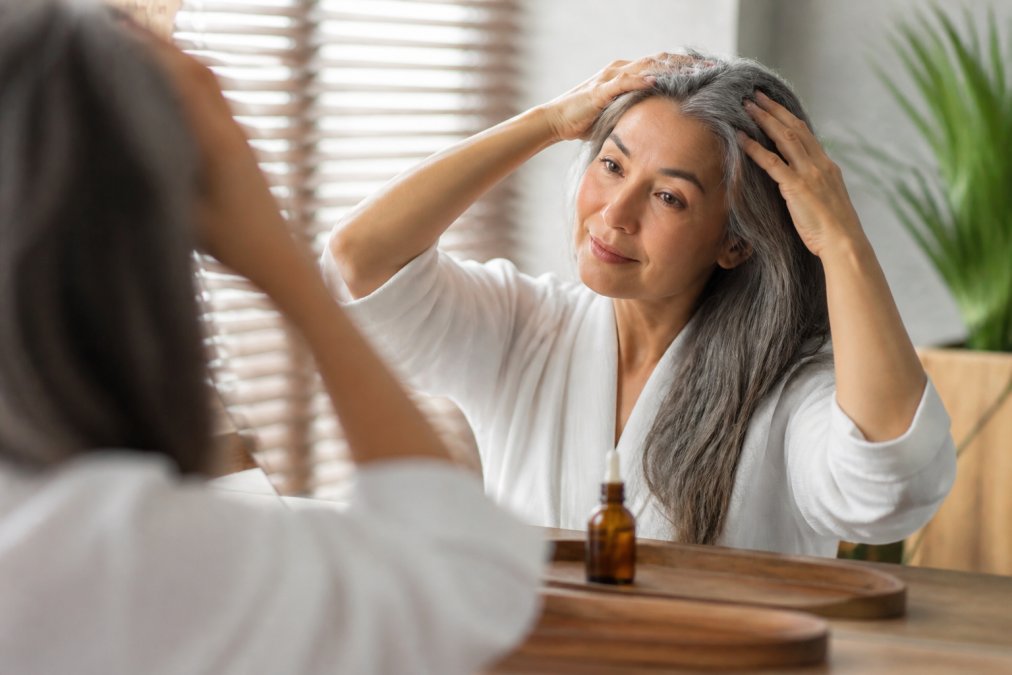
Scalp massage supports blood circulation to the follicles. Use your fingertips or a soft brush for two to five minutes. Do it three to four times a week. Massage also helps oils absorb and eases tension. A common mistake is pressing too hard. Light, steady pressure works better than aggressive rubbing.
Nutritional Gaps and Nutrient Absorption
Nutritional gaps affect follicle health more as you age. Nutrient absorption can decline with age and certain medications. Key nutrients for hair include B vitamins, iron, zinc, and protein. A daily vitamin can help close shortfalls. Pair it with balanced meals rather than relying on supplements alone.
How to Build a Scalp Rejuvenation Routine (Step-by-Step)
- Assess your scalp. Check for dryness, flaking, or tenderness.
- Exfoliate gently. Once weekly, clear buildup with a soft brush.
- Apply oil. Massage a small amount into the scalp for two to five minutes.
- Support from within. Take a daily women's vitamin.
- Repeat consistently. Use oil three to four times weekly.
Conclusion: A Scalp-First Approach to Hair Density
Hair density follows scalp health, not the other way around. A thin barrier, hormonal shifts, and nutrient gaps all work against you after 40. The fix is steady care, not quick fixes. Nirvana Wellness Store offers scalp-supportive tools to make that routine simple, including the Hair Growth Oil that nourishes dry scalp and moisturizes follicles, the Double Pack for consistency, and the Daily Women's Vitamin for nutritional support.


Frequently Asked Questions
How often should you exfoliate your scalp as you age?
Exfoliating once a week is enough for most women over 40. The aging scalp barrier is thinner and produces less sebum, so over-exfoliating can cause inflammation and dryness. Use a gentle scrub or a soft silicone brush with light pressure. If you have scalp sensitivity, start every other week and adjust based on how your scalp feels. Pair exfoliation with a hydrating scalp serum or oil afterward to support moisture retention and follicle health.
What vitamin deficiency causes scalp problems in aging women?
Low levels of vitamin D, B12, iron, and zinc are common culprits behind scalp issues like flaking, itching, and slow hair growth. After menopause, changes in diet and nutrient absorption can widen these nutritional gaps. A daily multivitamin formulated for women, such as Nirvana Daily Women's Vitamin, can help fill those gaps and support hair, skin, and nail nutrition. Always check with your doctor before adding supplements, especially if you take medication.
Does scalp health directly impact hair thinning in menopause?
Yes. Menopause brings hormonal fluctuations that reduce collagen production and sebum production, leaving the scalp barrier weaker and hair follicles less supported. Poor scalp hydration, inflammation, and buildup can restrict follicle stimulation and accelerate hair thinning. A scalp-first routine, including gentle deep cleansing, natural oils, and massage, helps maintain blood circulation and a healthy environment for the hair growth cycle.
What is the best shampoo for seniors with aging hair?
Look for a gentle, sulfate-free shampoo that cleans without stripping natural oils. The difference between cleansing and shampooing matters: cleansing removes buildup while preserving the scalp barrier. Choose formulas with hydrating ingredients like glycerin or aloe, and avoid harsh detergents that can worsen scalp sensitivity. If you have dry scalp, wash every other day and follow with a moisturizing scalp serum or oil to support moisture retention.