


Table of Contents
- Best Tools for Daily Self-Care: A Practical Overview
- Self-Care Apps for Mental Health and Mindfulness
- Physical Self-Care Tools for Pain Relief and Muscle Recovery
- How to Build a Self-Care Routine That Actually Sticks
- Self-Care Checklist for Daily Wellness Success
- Wearable Trackers and Health Monitoring Devices
- Journaling and Goal-Setting for Personal Growth
- Integrating Self-Care Tools Into a Busy Schedule
Last Updated: August 5, 2026
Best Tools for Daily Self-Care: A Practical Overview
Building a sustainable self-care routine doesn't require expensive equipment or hours of free time. The best tools for daily self care combine accessibility with real results, whether you're managing chronic discomfort, seeking mental clarity, or simply trying to create moments of intentional wellness in a packed schedule. At Nirvana Wellness Store, we understand that effective self-care tools work best when they fit naturally into your life, not against it.
Quick Picks:
- Best Overall Physical Solution: Nirvana Magic Cream for fast-acting pain relief
- Best Mental Health App: Headspace for guided meditation and sleep support
- Best Wearable Tracker: Oura Ring Gen3 for comprehensive health monitoring
- Best Journaling Tool: The Five Minute Journal for structured daily reflection
Self-Care Apps for Mental Health and Mindfulness
Mental health support through apps has moved beyond generic meditation timers. Modern mindfulness applications now track your progress, adapt to your needs, and integrate with other wellness tools.

Meditation and Mindfulness Apps
Headspace stands out for beginners and experienced practitioners alike. The app delivers hundreds of guided meditations covering stress, sleep, focus, and anxiety. Sessions range from 3 minutes to 30 minutes, so you can adapt to your schedule. The sleepcasts and wind-down exercises target the specific challenge many people face: transitioning from work mode to rest. Student and family plans make it accessible across different budgets. Most advanced features require a paid subscription starting at $12.99 per month.
Calm emphasizes visual design and celebrity-narrated content. Sleep stories narrated by recognizable voices create a bedtime ritual. The app includes breathing exercises and gentle movement sessions alongside meditations. Pricing starts at $16.99 per month. Both apps address emotional well-being through structured daily practice; Headspace emphasizes practical techniques, while Calm emphasizes experience and storytelling.
Sleep and Relaxation Tools
Sleep quality directly impacts every other aspect of self-care. Poor sleep undermines pain management, mood regulation, and cognitive function.

Muse 2 Meditation & Sleep Tracker monitors your actual brain activity during meditation and sleep, providing real-time feedback. You get objective data on sleep stages, heart rate variability, and breathing patterns. The device costs $249.99, with subscription access to guided content and advanced analytics. For people who respond to metrics and measurable progress, this transforms meditation into something concrete.
Vitruvi Stone Diffuser creates the environmental conditions that support self-care. The stone diffuser runs for 8 hours and automatically shuts off when water runs low. At $129.99, it's a one-time investment that complements other wellness practices.
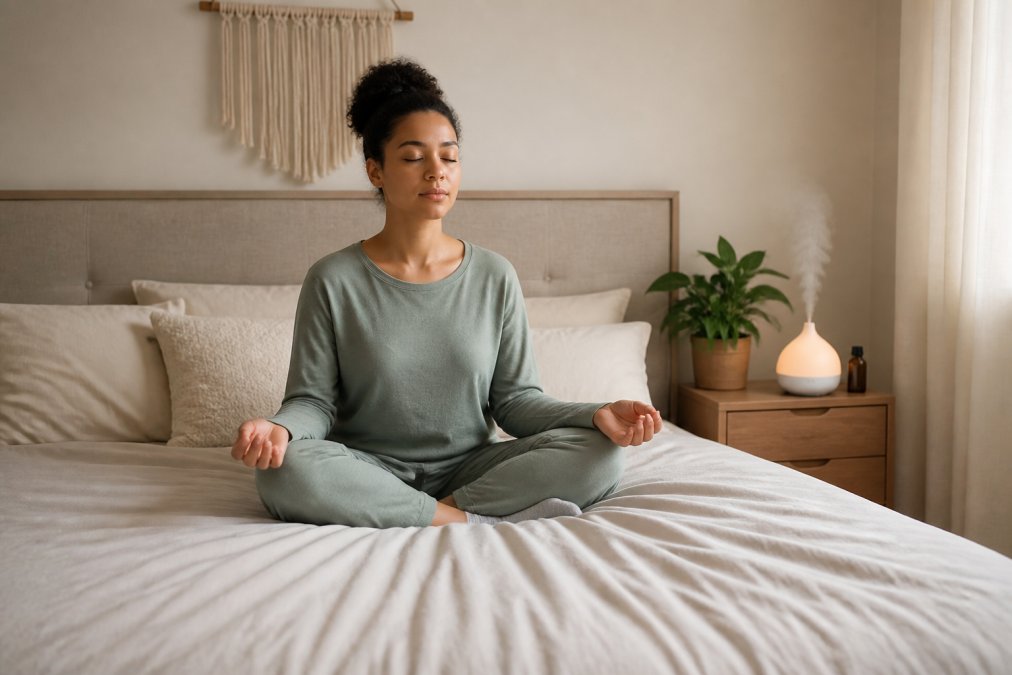
The combination of guided meditation apps and environmental tools like diffusers creates a multi-layered approach to stress reduction.
Physical Self-Care Tools for Pain Relief and Muscle Recovery
Physical self-care encompasses everything from managing chronic joint discomfort to recovering from athletic activity.
Nirvana Magic Cream is designed for fast-acting pain relief using natural ingredients. For adults managing arthritis, chronic joint discomfort, or muscle soreness, this cream provides an accessible option for daily pain management. At $24.99, it fits into most wellness budgets. For people with sensitive stomachs who want to avoid oral supplements, topical solutions offer a practical alternative.

Theragun Mini is a compact massage gun with three attachments and three speed settings, allowing customization for different muscle groups. The QuietForce Technology means you can use it without disturbing others. At $219.99, it addresses post-workout muscle soreness directly. Battery life is 180 minutes, which handles most weekly routines.
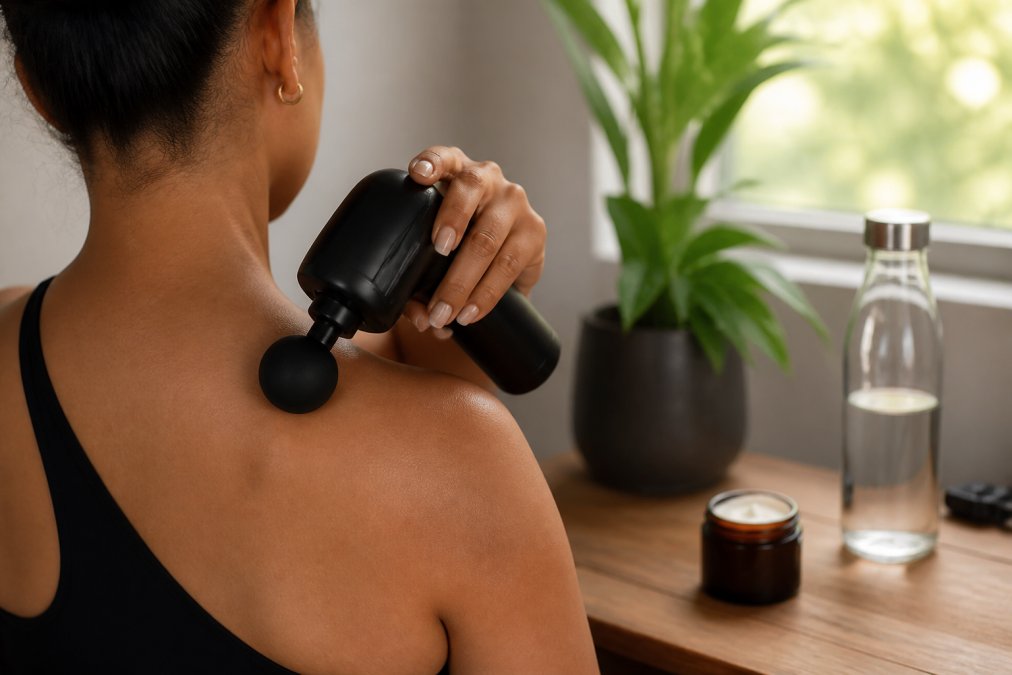
The choice between topical solutions like Nirvana Magic Cream and mechanical tools like massage guns depends on your specific needs. Creams work best for localized, consistent discomfort. Percussion massage works best for muscle tension and post-activity recovery.
How to Build a Self-Care Routine That Actually Sticks
The difference between tools that change your life and tools that gather dust is integration. A sustainable self-care routine starts small, builds gradually, and includes accountability.
Start Small and Build Gradually
Most people fail at self-care routines because they try to do too much at once. Start with a single morning or evening ritual: five minutes of meditation using Headspace, or three minutes of journaling with The Five Minute Journal. Once that practice becomes automatic, typically 2-3 weeks, add a second element.
The progression might look like:
- Week 1-3: Morning meditation with Headspace (5 minutes)
- Week 4-6: Add evening journaling with The Five Minute Journal (5 minutes)
- Week 7+: Add physical recovery tool like Nirvana Magic Cream or Theragun Mini as needed
This staged approach prevents overwhelm and creates a foundation for personal growth.
Create Accountability and Track Progress
Self-monitoring is one of the most underrated components of sustained behavior change. A calendar where you mark off each day you complete your practice creates visible progress. Digital tools like Headspace and Calm include built-in streak tracking. The Five Minute Journal includes space for reflection, which naturally creates accountability as you review past entries.
For physical tools, notice when you use Nirvana Magic Cream and whether your discomfort improves. With a wearable like Oura Ring Gen3, you get automatic sleep and recovery tracking without extra effort. Tracking gives you evidence that the routine is working, even when you don't feel immediate effects.
Self-Care Checklist for Daily Wellness Success
A practical checklist helps ensure you're covering the main dimensions of self-care:
| Wellness Dimension | Daily Practice | Weekly Check-In | Tool/Resource |
|---|---|---|---|
| Mental Health | 5-10 min meditation or breathing | Journaling review | Headspace, Calm, The Five Minute Journal |
| Physical Recovery | Pain relief or massage as needed | Assess soreness or discomfort | Nirvana Magic Cream, Theragun Mini |
| Sleep Quality | Wind-down ritual 30 min before bed | Review sleep duration and quality | Calm, Muse 2, Oura Ring Gen3 |
| Goal Tracking | Review daily intentions | Reflect on progress | The Five Minute Journal |
| Hydration & Nutrition | Daily wellness drink | Assess energy and digestion | Thrive Wellness Drink™ |
- Completed mental health practice (meditation, breathing, or mindfulness)
- Addressed physical discomfort with appropriate tool or cream
- Maintained consistent sleep schedule and wind-down routine
- Journaled or reflected on intentions and progress
- Stayed hydrated and supported nutrition with wellness products
- Tracked progress using app, journal, or wearable device
Wearable Trackers and Health Monitoring Devices
Wearable technology transforms self-care from intuitive practice into data-informed routine. Rather than guessing whether your sleep improved or your stress decreased, wearables provide objective metrics.
Oura Ring Gen3 tracks sleep stages, heart rate variability, body temperature, and activity levels in a discreet form factor. The app provides personalized readiness and sleep scores, which help you understand whether you're recovered enough for intense activity or if rest is needed. The device costs $249, with a $5.99 monthly membership for full feature access. For people who want comprehensive health monitoring without wearing a visible tracker, this is the standout choice.
WHOOP 4.0 emphasizes recovery and training metrics for athletes and active individuals. The screenless band continuously monitors heart rate variability, sleep, and strain from daily activities. At $149 per year, it's more affordable than Oura Ring but requires ongoing subscription. The focus on recovery data makes it particularly useful for people managing post-workout muscle soreness.
Both trackers address psychological health and resilience by providing feedback on stress and recovery.
Journaling and Goal-Setting for Personal Growth
Journaling is one of the most accessible self-care tools available. It costs almost nothing, requires no apps or devices, and directly supports self-reflection and intentional living.
The Five Minute Journal removes the barrier of blank pages. Structured prompts guide you through gratitude, intention setting, and reflection. Morning prompts focus on what you're grateful for and what would make today great. Evening prompts ask what went well and what you could improve. The journal is undated and lasts six months, which aligns with habit-building timelines. At $38.00, it's a physical object that creates ritual. Over time, patterns emerge about what matters to you and what actually moves the needle toward your goals.
Integrating Self-Care Tools Into a Busy Schedule
The reality of daily self-care is that you're fitting it around work, family, and other obligations. Integration means finding moments that already exist in your schedule and attaching wellness practices to them.
Morning anchors are the strongest. Before coffee, before checking email, spend five minutes with Headspace or The Five Minute Journal. Physical tools like Nirvana Magic Cream can be applied during your morning routine.
Evening transitions work equally well. Thirty minutes before bed, use Calm or another sleep-focused app. This creates a clear boundary between work mode and rest mode.
Micro-practices fit into existing moments. A two-minute breathing exercise while sitting in your car before entering the office. A quick application of pain relief cream during a work break. These don't require dedicated time blocks.
Weekly rituals create structure without daily pressure. Spend 15 minutes on Sunday reviewing your Five Minute Journal entries from the week. Check your Oura Ring or WHOOP metrics to see patterns in sleep and recovery.
The key is matching practices to your actual life, not trying to transform your life to fit practices. Someone with a chaotic morning schedule might anchor self-care to lunch break instead of before dawn. Someone working from home might integrate a midday Theragun session into their lunch hour.
Thrive Sea Moss Gel™ supports the nutritional dimension of self-care at $19.99. As a mineral-rich superfood designed for daily wellness, it integrates into morning routines, add it to smoothies, water, or consume it directly. For people seeking accessible wellness solutions that support energy, immunity, and digestion, this product fits seamlessly into the broader self-care routine without requiring additional time commitment.
The integration challenge isn't finding time for self-care. It's attaching wellness practices to existing routines so they require no additional time blocks. When meditation becomes part of your morning coffee ritual, when journaling happens while your tea steeps, when pain relief cream applies during your shower, self-care stops feeling like an obligation and becomes part of how you live.
Building effective daily self-care requires tools that match your specific needs and a routine you'll actually maintain. Whether you're managing chronic discomfort, seeking mental clarity, or simply trying to create moments of intentional wellness, the combination of mental health apps, physical recovery tools, and tracking devices creates a comprehensive approach. Nirvana Wellness Store's curated selection of wellness products, including Nirvana Magic Cream for pain relief, Thrive Wellness Drink™ for daily hydration and energy, and Thrive Sea Moss Gel™ for nutritional support, integrates seamlessly into a sustainable routine. Start with one practice, track your progress, and build gradually. The best self-care routine is the one you'll actually follow.
Frequently Asked Questions
What are the best tools to help with daily self-care?
The best tools depend on your priorities. For mental health and emotional well-being, meditation apps like Headspace and Calm offer guided mindfulness sessions and sleep support. For physical relief, products like Nirvana Magic Cream ($24.99) provide fast-acting pain relief, while percussion massage devices address muscle soreness. Wearable trackers monitor sleep and recovery, and journaling tools like The Five Minute Journal support self-reflection and goal setting. A combination approach, pairing digital tools with physical wellness products, creates the most comprehensive self-care routine.
How do I start building a self-care routine that works for my lifestyle?
Begin by identifying your primary self-care need: stress management, physical recovery, better sleep, or emotional resilience. Choose one or two tools that address that need, such as a 5-minute meditation app or a wellness drink like Thrive Wellness Drink ($15.99). Set a specific time each day for your practice, even if it's just 5 minutes. Track your consistency for two weeks to build the habit, then gradually add complementary tools. The key is starting small and building incrementally rather than overhauling your entire routine at once.
Are self-care apps actually effective for mental health and stress reduction?
Research shows that meditation and mindfulness apps can reduce stress and improve emotional well-being when used consistently. Apps like Headspace and Calm provide structured guidance that helps users develop resilience and mental clarity. However, effectiveness depends on regular use, even 5-10 minutes daily is more beneficial than sporadic sessions. Apps work best as part of a broader self-care routine that includes physical activity, journaling, and quality sleep. For clinical mental health concerns, apps complement but do not replace professional therapy.
What should I include in a daily self-care checklist?
A balanced self-care checklist includes: morning mindfulness (5 minutes of meditation or journaling), physical wellness (movement, stretching, or massage for pain relief), nutrition (a wellness drink or balanced meal), hydration, and evening wind-down (sleep preparation or relaxation). For those managing chronic discomfort, add targeted pain relief, such as Nirvana Magic Cream, to your afternoon routine. Track mood, energy levels, and physical sensations throughout the day to identify which tools deliver the most impact. Adjust your checklist monthly based on what actually works for your lifestyle and goals.
How can I track my self-care progress without spending too much money?
Start with a simple journal or free app to log your daily practices, mood, and energy levels. The Five Minute Journal ($38) is a one-time purchase that lasts 6 months and requires no subscription. For digital tracking, many meditation apps offer free tiers with basic progress monitoring. Wearable trackers like Oura Ring ($249 plus $5.99/month) provide detailed sleep and recovery data if you want objective metrics. Begin with free or low-cost tools, then invest in wearables or premium subscriptions only after confirming which practices deliver measurable benefits for your specific needs.
This article was written using GrandRanker