


Table of Contents
- Natural vs. Synthetic Muscle Supplements: What Changes Safety
- Why FDA Supplement Safety Guidelines Matter for Muscle Products
- The Evidence for Natural Muscle Supplements
- How to Read Labels Like a Pro: Spotting Red Flags
- Best Natural Supplements for Muscle Recovery: Our Verdict
- Common Side Effects and Interactions to Watch For
- The Bottom Line: Buying Safe Supplements on a Budget
- Frequently Asked Questions
Last Updated: September 5, 2026
Many natural muscle supplements are safe from reputable manufacturers, but the category carries real risks. The term "natural" is not a regulated safety claim, and the market ranges from well-studied ingredients to opaque proprietary blends. This review from Nirvana Wellness Store breaks down what changes the safety profile of these products and how to verify what you are buying.
Natural muscle supplements use plant, food, or mineral-derived ingredients to support muscle recovery, growth, or performance. Common options like creatine monohydrate, beta-alanine, and branched-chain amino acids have substantial clinical backing, but the category also includes products with vague labels, undisclosed stimulants, or synthetic look-alikes hiding behind the word "natural."
Natural vs. Synthetic Muscle Supplements: What Changes Safety
The natural-versus-synthetic distinction matters less than most assume. A molecule like creatine is identical whether synthesized in a lab or extracted from animal tissue. What changes safety is quality control, purity, and whether the dosage matches what clinical trials tested.
Synthetic ingredients often get a bad reputation, but many dangerous products are marketed as "natural" while containing adulterated compounds, and some synthetic compounds have decades of safety data. In practice, the term "natural" tells you almost nothing about risk.
The real safety divide sits between single-ingredient products with transparent labeling and multi-ingredient formulas using proprietary blends. If a label hides individual ingredient dosages behind a blend, you cannot evaluate safety or efficacy, regardless of whether the ingredients are natural.
Why FDA Supplement Safety Guidelines Matter for Muscle Products
Dietary supplements in the United States are regulated by the FDA under the Dietary Supplement Health and Education Act of 1994. Unlike pharmaceuticals, which must prove safety and efficacy to the FDA before they reach the market, supplements are presumed safe unless the FDA can prove otherwise after the fact (the FDA). This is a post-market, reactive model, and it places the burden of verification squarely on the buyer.
The FDA does enforce Current Good Manufacturing Practices, requiring clean production and accurate labeling, but it does not review or approve any supplement before sale. It can only act after a product has caused harm, and the process is slow.
This gap has produced a documented pattern of adulteration. The FDA's tainted products database lists bodybuilding products with hidden ingredients like anabolic steroids, SARMs, and prescription drugs. The agency has also flagged products with undisclosed stimulants, which pose cardiovascular risks, and products contaminated with heavy metals or pathogens.
A common misconception is that the FDA's "Generally Recognized as Safe" designation applies to finished supplement products. It does not. That designation applies to individual food ingredients, not to dietary supplements, and it does not cover combinations of ingredients in a proprietary blend.
Regulatory compliance is the floor, not the ceiling. A supplement that meets FDA labeling requirements can still be unsafe or ineffective. The FDA advises skepticism of products promising rapid results and maintains a database of supplements with hidden drugs; checking it is reasonable but not sufficient.
The FDA is a safety net with wide gaps. Assume a supplement is unverified until proven otherwise. Third-party certification, published test results, and full label transparency signal a manufacturer operating above the regulatory baseline.
The Evidence for Natural Muscle Supplements
A handful of natural ingredients have strong evidence for muscle recovery and performance. Creatine monohydrate is the most studied supplement for increasing lean muscle mass and strength during resistance training. Beta-alanine supports muscle endurance by buffering acid buildup during high-intensity exercise. Caffeine is a proven ergogenic aid that reduces perceived exertion.
Creatine supports rapid ATP regeneration for more total work output. Beta-alanine increases muscle carnosine, delaying fatigue during high-effort sets. Each has been tested in isolation at specific dosages, yielding clear dosage guidelines and known side effect profiles.
Omega-3s help modulate inflammation, and vitamin D is essential for muscle function. Many athletes are deficient in vitamin D, and correcting that deficiency is a cost-effective performance intervention.
How to Read Labels Like a Pro: Spotting Red Flags
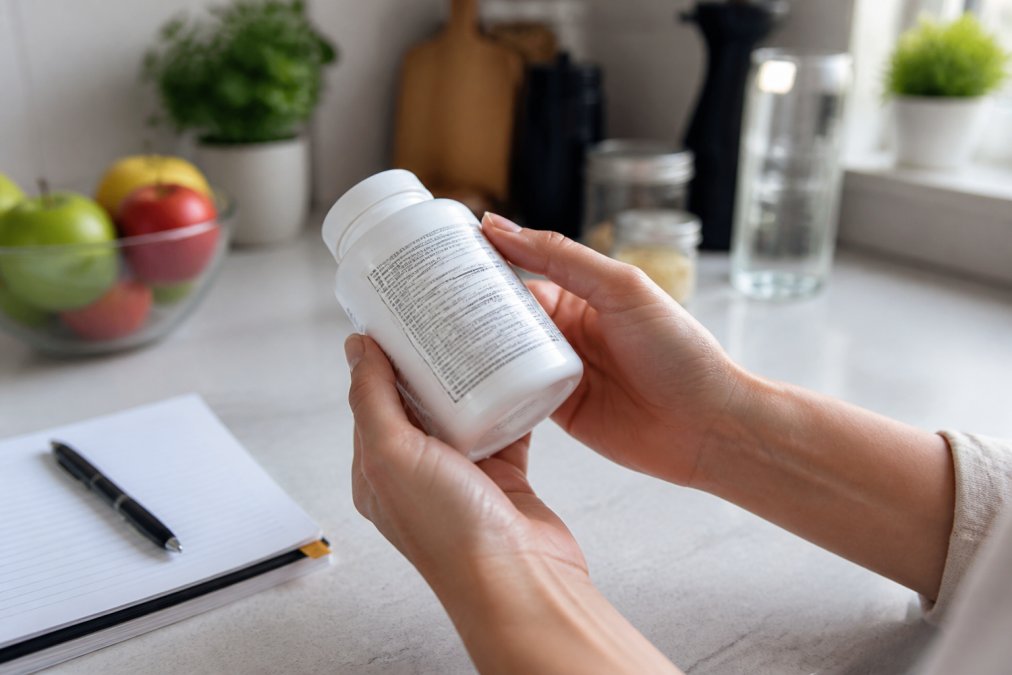
Label literacy is the most valuable skill for supplement safety. Check whether the label lists exact milligram amounts for every active ingredient. A "proprietary blend" with a total weight and ingredient list gives you no way to know actual doses.
The second red flag is the absence of a third-party testing seal. NSF International and Informed Sport verify label claims and check for banned substances. Without such testing, a product is an unverified risk.
Don't assume "natural flavor" or "herbal extract" means gentle. Some natural compounds are potent, and others are contaminated during manufacturing. Dosage guidelines matter more than ingredient source.
Best Natural Supplements for Muscle Recovery: Our Verdict
For most people, the best natural supplements for muscle recovery are the ones with clinical evidence and transparent labeling. Creatine monohydrate tops the list for strength and lean muscle mass. Omega-3 fatty acids support joint wellness and recovery. Vitamin D3 with K2 supports muscle function and bone health, which matters as training volume increases.
At Nirvana Wellness Store, we carry products that meet these standards. Our Nirvana Omega-3 Capsules deliver 720 mg of omega-3 fatty acids per softgel, including 432 mg EPA and 288 mg DHA, at $29.97. This is the kind of transparent dosing that makes a supplement easy to evaluate. Our Nirvana Vitamin K2 + D3 combines vitamin D3 for calcium absorption and muscle function with vitamin K2 to support proper calcium use, enhanced with BioPerine for nutrient absorption, also at $29.97.

| Supplement | Key Ingredient | Role in Recovery | Price |
|---|---|---|---|
| Nirvana Omega-3 | 720 mg EPA + DHA | Supports joint wellness and modulates inflammation | $29.97 |
| Nirvana Vitamin K2 + D3 | D3 + K2 + BioPerine | Supports muscle function and bone health | $29.97 |
| Creatine Monohydrate | 5 g creatine | Increases strength and lean muscle mass | Varies by brand |
For topical relief of post-workout muscle aches and joint discomfort, our Nirvana Magic Cream at $24.99 offers a non-greasy, fast-absorbing option for targeted comfort. It has been a trusted wellness product since 2018. None of these products replace a well-designed training program, but they support the recovery process in measurable ways.
Common Side Effects and Interactions to Watch For
Even evidence-based supplements have side effects, and risks multiply when combined with prescription medications. Most articles stop at listing common side effects; this section covers the specific, sometimes dangerous, interactions with common drugs.
Common Side Effects by Ingredient
Creatine at 5 grams daily can cause water retention and mild GI cramping without adequate fluid. Beta-alanine causes paresthesia, a harmless tingling, above 1.6 grams. Caffeine can raise heart rate, disrupt sleep, and increase anxiety, especially in slow metabolizers. These effects are manageable for healthy adults but not trivial for those with underlying conditions.
The Interaction Gap: What Most Articles Miss
The more serious concern is how these supplements interact with prescription medications. Here are the specific interactions that matter most.
Creatine and kidney-affecting drugs. Creatine is processed by the kidneys, and it can raise serum creatinine levels, a marker of kidney function. If you take medications that affect kidney function, such as certain blood pressure drugs (ACE inhibitors like lisinopril) or diuretics (furosemide), creatine can make it harder for your doctor to interpret your kidney function tests. This does not mean creatine is unsafe, but it means your doctor needs to know you are taking it. For people with pre-existing kidney disease, creatine supplementation is generally not recommended.
Vitamin K2 and anticoagulants. This is the most dangerous interaction in the supplement aisle. Vitamin K2 plays a direct role in blood clotting, and it directly counteracts the mechanism of warfarin (Coumadin), a common blood thinner. Taking vitamin K2 while on warfarin can reduce the drug's effectiveness and increase the risk of blood clots. The interaction is so well-documented that the NIH Office of Dietary Supplements lists it as a major concern. If you are on warfarin, you should not take vitamin K2 without explicit guidance from your prescribing physician.

Caffeine and stimulant medications. Caffeine is a stimulant, and it adds to the effects of prescription stimulants used for ADHD, such as amphetamine-dextroamphetamine (Adderall) or methylphenidate (Ritalin). The combination can cause excessive heart rate elevation, anxiety, and insomnia. Caffeine also interacts with certain antidepressants, particularly MAO inhibitors, where it can cause a dangerous spike in blood pressure.
Magnesium and antibiotics. Many muscle recovery supplements include magnesium, which is involved in muscle relaxation. Magnesium can bind to certain antibiotics, particularly fluoroquinolones (ciprofloxacin) and tetracyclines (doxycycline), reducing their absorption. If you take these antibiotics, you need to separate the magnesium dose by at least two hours, or the antibiotic may not work effectively.
Omega-3 fatty acids and blood thinners. High-dose omega-3 supplements, often taken for recovery and joint health, have a mild blood-thinning effect. When combined with prescription anticoagulants like warfarin or apixaban, they can increase bleeding risk. Most clinicians consider moderate doses safe, but the combination should be monitored, especially before surgery.
The Practical Protocol
Treat supplements with the same seriousness as medication. Before starting, review your complete medication list with a pharmacist or physician, bringing the actual bottle so they can check the full ingredient list, including inactive ingredients.
Long-term safety is a separate question. Most trials run 8 to 16 weeks, so data on decades of use is limited. The conservative approach is to cycle supplements, take breaks, and rely on food sources when possible.
The Bottom Line: Buying Safe Supplements on a Budget
Safe supplementation does not require a fortune. The most evidence-based ingredients, creatine and caffeine, are also among the cheapest, a month of creatine costs less than a single personal training session.
Start with single-ingredient products: they are easier to evaluate, cheaper, and less likely to hide problematic additives. Buy from manufacturers that publish third-party test results and follow certified practices.
Consumer Reports guidance on supplement safety recommends sticking to well-known brands with a track record of transparency and avoiding products sold only through obscure websites. The FDA's tainted products database lists supplements that have been found to contain hidden drugs, and it is worth checking before you try a new brand.
Natural muscle supplements can be safe and effective, but only when you prioritize transparency and evidence over marketing. Buy products with clear dosing, third-party verification, and a single well-studied ingredient.
Frequently Asked Questions
What is the safest supplement to build muscle?
The safest natural muscle supplements are single-ingredient products from brands that use third-party testing. Creatine monohydrate, whey protein, and omega-3 fatty acids have the strongest safety records when taken at recommended doses. Avoid proprietary blends and products with many ingredients, as these increase the risk of contaminants and make it harder to identify the cause of an adverse event. Always check the label for a third-party certification seal.
How does the FDA regulate muscle-building supplements?
The FDA regulates dietary supplements under the Dietary Supplement Health and Education Act (DSHEA) of 1994. This means supplements do not need FDA approval before they are sold. Manufacturers are responsible for product safety and label accuracy. The FDA can take action against unsafe products after they reach the market, and it issues warnings about specific brands. Look for products made in certified manufacturing facilities (cGMP) and those with third-party testing for added assurance.
Are there hidden risks in 'natural' muscle boosters?
Yes. The term 'natural' on a label is not regulated by the FDA. Research has found that some products marketed as natural supplements contain synthetic ingredients, unapproved drug compounds, or contaminants. Products for muscle building have a higher risk of containing anabolic steroids or selective androgen receptor modulators (SARMs), which can cause serious health problems. Sticking to well-known, single-ingredient supplements and verifying third-party testing reduces this risk.
What is the best natural supplement for muscle recovery?
For overall recovery, omega-3 fatty acids from fish oil are a strong choice. They help manage normal inflammation and support joint wellness, which matters when you train regularly. A high-quality omega-3 supplement like Nirvana Omega-3 Capsules provides 720 mg of EPA and DHA per softgel. Protein, creatine, and vitamin D also support muscle repair. For targeted soreness, a topical cream can offer fast relief without interacting with your digestive system.
Choosing safe supplements comes down to label literacy and evidence-based ingredients. At Nirvana Wellness Store, we offer a curated selection of natural wellness products, including omega-3 capsules, vitamin D3 with K2, and our trusted Magic Cream, all with transparent labeling and quality-focused formulation. Continue shopping with Nirvana Wellness Store to find supplements that support your recovery without the guesswork.
This article was written using GrandRanker